Introduction: Understanding the Measles Exposure Risk at Logan Airport
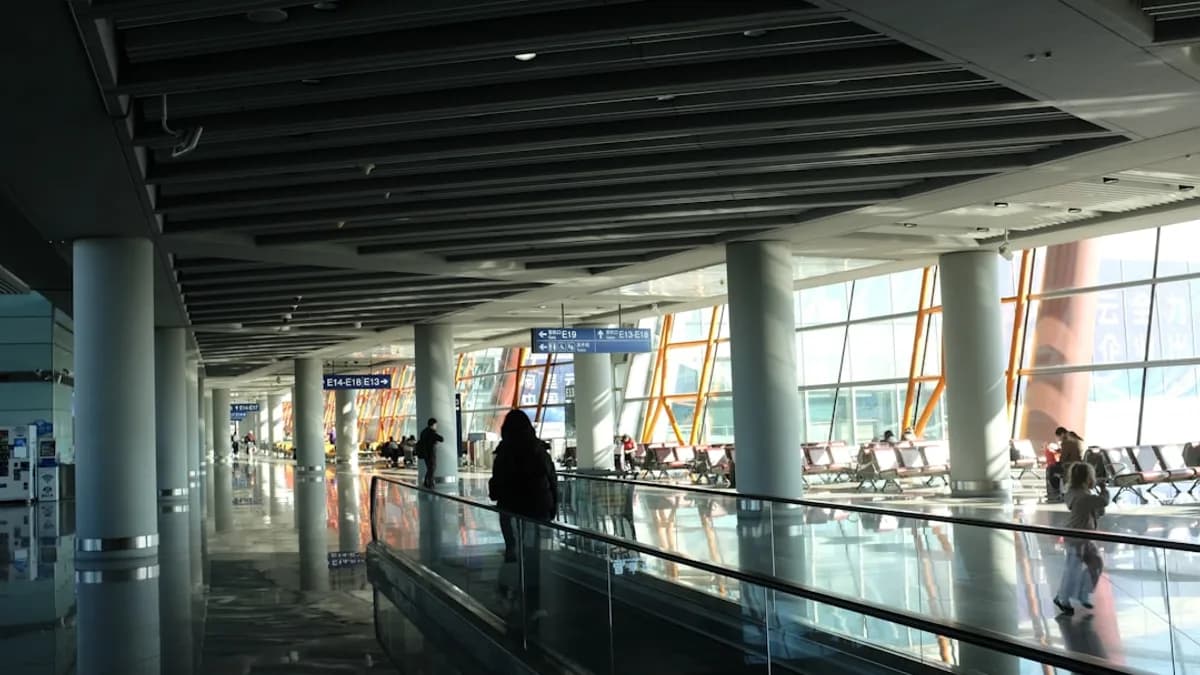
Travelers passing through Logan Airport last week may have been exposed to measles after an infected passenger arrived at the terminal [Source: Google News]. Measles spreads easily. It moves from person to person through coughs and sneezes. Busy places like airports make it easier for diseases to travel fast, since many people are close together.
The Boston Public Health Commission says the infected person was at Logan Airport, and health officials are warning people who might have crossed paths with them [Source: Google News]. When measles gets into a crowded place, it can quickly reach dozens of people—especially those who cannot get vaccines. Knowing about this risk helps people act fast to keep themselves and others safe. Getting the facts early is key to stopping the spread.
How to Identify If You Might Have Been Exposed to Measles at Logan Airport
To know if you were exposed, pay attention to the details. The infected passenger arrived at Logan Airport last week, passing through a terminal at a busy time [Source: Google News]. Health officials have not publicly shared the exact date or terminal yet, but most warnings focus on flights coming into Boston, including JetBlue.
If you were at Logan Airport during the same time, watch for measles symptoms. Early signs include a high fever, cough, runny nose, and red, watery eyes. After a few days, a rash starts. It often begins on the face and spreads down the body. These symptoms usually appear 7 to 14 days after exposure.
People most at risk are those who have not had a measles vaccine. Babies, young kids, and anyone with a weak immune system should be extra careful. If you are not sure about your vaccine history, check with your doctor.
Even if you feel fine now, keep an eye out for symptoms for at least two weeks. Measles is much more serious for kids, pregnant women, and older adults. If you were at Logan Airport last week, stay alert and let your doctor know if you get sick.
How to Protect Yourself and Others After Potential Measles Exposure
If you think you were exposed to measles at Logan Airport, act quickly. First, stay home and avoid others as much as possible. This helps stop the disease from spreading. Watch yourself for symptoms like fever, cough, or rash. If you start feeling sick, call your doctor right away. Do not go straight to a clinic or hospital unless your doctor tells you to. This protects other people in waiting rooms.
Check your vaccination records. The measles vaccine is called MMR (measles, mumps, rubella). Most people get two shots—one as a baby and another as a young child. If you only got one shot or never got vaccinated, ask your doctor about getting another dose. The vaccine is safe, and it works well. Even adults can get it if they missed it as kids.
If you have a weak immune system, are pregnant, or have a baby under one year old, call your doctor even if you do not feel sick. Doctors can give medicine or extra shots to help protect you.
If you were exposed, health officials might ask you to stay home for up to three weeks. This is called quarantine. It keeps measles from spreading to others. Some people can get blood tests to check if they have the virus or are immune.
Tell anyone you live with or work with about your possible exposure. They should also check their vaccine status and watch for symptoms.
Quick action stops measles from spreading in your family and in your community. Vaccines are the best shield, and doctors can help you make smart choices.
How to Prevent Measles Exposure in High-Traffic Areas Like Airports
Stopping measles starts with prevention. Before you travel, make sure your measles vaccine is up to date. If you are taking kids, check their records too. The MMR vaccine is safe and protects against three diseases, not just measles.
Wash your hands often, especially after touching shared surfaces like door handles or security bins. Avoid touching your face, especially your mouth, nose, and eyes. If someone near you is coughing or sneezing, move away if you can.
Airport workers and airlines play a big part in stopping outbreaks. They should clean common areas often, post signs about symptoms, and help sick travelers find medical care quickly. Some airports use air filters and extra cleaning during outbreaks.
When health officials spot a disease, they send alerts to travelers and workers. These warnings help people know when to watch for symptoms, get tested, or avoid certain places. Clear messages save lives, since diseases like measles can spread before someone knows they are sick.
Learning from past outbreaks shows that strong public health alerts, fast cleaning, and good vaccination rates make airports safer. In 2014, measles outbreaks linked to airports in California and New York led to hundreds of cases. Those outbreaks ended when officials acted quickly and travelers followed advice.
Travelers can help by getting vaccinated, staying home when sick, and reading health alerts. Airports and airlines can support by sharing information and keeping spaces clean.
Understanding the Broader Implications of Measles Exposure in Travel Hubs
Airports connect people from all over the world. When someone with measles passes through, the virus can reach new cities fast. It only takes one infected person to start an outbreak in a busy travel hub [Source: Google News]. People from different places mix in airports, then spread the virus to their home towns.
Measles is one of the most contagious diseases. If one person has it, 9 out of 10 people close to them who are not immune will catch it. In 2019, measles outbreaks linked to travelers in airports and hotels led to hundreds of cases in the US. Each time, the outbreaks started with someone who was not vaccinated.
Vaccination rates are dropping in some countries and cities. This makes outbreaks more likely. When fewer people get the MMR vaccine, measles has more chances to spread. In 2023, the World Health Organization reported a rise in measles cases worldwide, mostly due to missed shots.
Travel hubs like airports must plan for these risks. Public health teams work with airlines and airport staff to share alerts, track illnesses, and help sick travelers. But they need the public to listen and act.
Stopping measles needs teamwork. Everyone—travelers, airport staff, health officials—must stay alert, get vaccinated, and follow advice. When people work together, outbreaks end faster and fewer people get sick.
Conclusion: Taking Informed Action to Stay Safe from Measles Exposure
If you were at Logan Airport last week, watch for measles symptoms and check your vaccine records [Source: Google News]. If you think you might have been exposed, stay home, call your doctor, and let others know. Vaccination is your best defense. Keep your shots up to date and help others do the same.
Stay informed by reading public health alerts. Airports and health officials share updates when risks are high. Listen to their advice, and share facts with your family and friends.
Measles spreads fast, but acting early can stop it. Community responsibility matters. When everyone pays attention, gets vaccinated, and follows health advice, we keep airports—and our neighborhoods—safe from outbreaks.
Why It Matters
- Potential measles exposure at a major airport could lead to further community spread among unvaccinated individuals.
- Awareness allows recent Logan Airport travelers to monitor for symptoms and seek medical advice quickly if needed.
- Incidents like this highlight the importance of vaccination and public health readiness in preventing outbreaks.