Introduction: The Controversy Surrounding the Chagos Islands
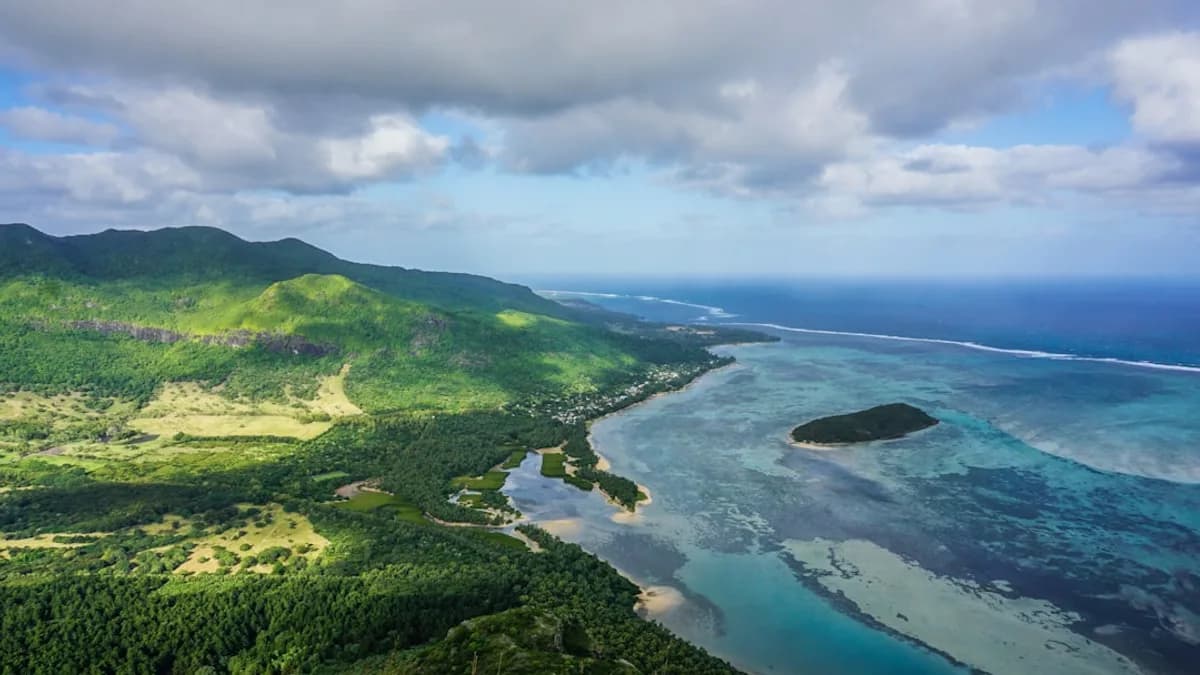
The ongoing dispute over the Chagos Islands, an archipelago in the Indian Ocean, has once again surged into international headlines. At the heart of the controversy is the question of sovereignty: Mauritius, backed by decades of international legal support, continues to claim the islands, while the United Kingdom maintains control, citing strategic interests. Recent developments saw the UK shelving a long-anticipated handover deal after opposition from the US, particularly under the Trump administration, effectively putting the process on hold [Source: Source]. This decision not only reignites debates about colonial legacies and international law but also raises urgent questions about the global commitment to decolonization and justice for displaced communities.
Historical Context: Colonial Legacy and Displacement
The Chagos Islands have a fraught history, emblematic of the broader injustices wrought by colonialism. Originally administered as part of Mauritius, the archipelago was separated by the UK in 1965, three years before Mauritius gained independence. This move was part of a wider colonial strategy to retain strategic assets in the waning days of empire. The most grievous consequence of this maneuver was the forced displacement of the Chagossian people. Between 1968 and 1973, over 1,500 islanders were uprooted from their homes and resettled in Mauritius and the Seychelles, often in dire conditions and without adequate support [Source: Source]. The humanitarian impact was profound, leading to decades of hardship, lost cultural heritage, and ongoing struggles for recognition.
Mauritius has consistently asserted its claim to the islands, arguing that the separation violated international law. This view was reinforced by the International Court of Justice (ICJ) in 2019, which concluded that the UK's administration of the Chagos Islands was unlawful and that the territory should be returned to Mauritius "as rapidly as possible." The United Nations General Assembly subsequently voted in favor of Mauritius's claim, underscoring the consensus within the international community that decolonization remains incomplete as long as the Chagos Islands are under British rule [Source: Source].
The UK’s Decision to Shelve the Handover: Political and Strategic Motivations
The UK’s recent pause on the Chagos Islands handover is not driven by legal or moral considerations but by geopolitical calculus. The United States, particularly under the Trump administration, has been a vocal opponent of the transfer, largely due to the strategic importance of Diego Garcia, the largest island in the archipelago. Diego Garcia hosts a significant US military base, seen as critical for operations in the Middle East and the wider Indian Ocean region [Source: Source]. The US’s opposition, communicated directly to UK officials, has effectively dictated British policy, illustrating how powerful allies can override international legal norms.
This move has significant implications for the UK’s global image. While British leaders often speak of their commitment to decolonization and human rights, the shelving of the handover exposes a willingness to sideline these values when strategic interests are at stake. The government’s decision has drawn criticism from international observers and human rights advocates, who see it as a betrayal of the principles enshrined in the UN Charter and a failure to respect the ICJ’s ruling [Source: Source]. Moreover, the pause risks undermining the UK’s credibility in global debates about post-colonial justice and self-determination, reinforcing perceptions that colonial legacies persist wherever geopolitical interests remain entrenched.
Mauritius’ Vow to ‘Decolonise’ the Chagos Islands: A Call for Justice
In the wake of the UK’s decision, Mauritius has renewed its vow to "decolonise" the Chagos Islands, framing the issue as both a matter of national sovereignty and broader justice. The Mauritian government has condemned the UK’s pause, emphasizing its determination to reclaim the territory and restore the rights of the displaced Chagossian community [Source: Source]. For Mauritius, the issue transcends mere territorial claims; it represents a challenge to lingering colonial power dynamics and a demand for reparative action.
The significance of decolonization in the 21st century cannot be overstated. Mauritius’s stance is emblematic of a wider movement among former colonies to assert their rights and challenge the legacies of imperialism. By insisting on the return of the Chagos Islands, Mauritius is not only seeking justice for its people but also reaffirming the principle that sovereignty and self-determination must prevail over outdated colonial arrangements. This renewed commitment is a powerful reminder that decolonization is an ongoing struggle, requiring vigilance and advocacy from both affected nations and the international community.
Opinion: The Need for the UK to Honour Its Decolonization Obligations
The UK’s obligation to hand over the Chagos Islands is both a moral and legal imperative. International law, as affirmed by the ICJ and the UN, clearly supports Mauritius’s claim. The forced displacement of the Chagossians and subsequent denial of their right to return constitute grave violations of human rights, underscoring the urgency of a fair resolution [Source: Source]. The UK’s reluctance to proceed, driven by geopolitical interests and pressure from the US, reflects a troubling prioritization of military strategy over justice and humanity.
Such decisions perpetuate the colonial mindset, where power and expediency trump the rights of vulnerable communities. The continued occupation of the Chagos Islands is a stain on the UK’s commitment to international norms and undermines its role as a champion of post-colonial justice. It is incumbent upon the UK to honor its obligations, not only to Mauritius but also to the displaced Chagossians who have endured decades of hardship and exclusion.
International pressure is essential. The global community, including the UN, must hold the UK accountable and advocate for a transparent, just handover process. Human rights organizations should amplify the voices of the Chagossians and support their demands for restitution and return. Only through sustained advocacy and diplomatic engagement can the colonial shadow over the Chagos Islands be lifted, and genuine reconciliation achieved.
Conclusion: Moving Beyond Colonial Shadows
The dispute over the Chagos Islands is more than a geopolitical chess game—it is a test of the world’s commitment to justice, self-determination, and the unfinished business of decolonization. Resolving the issue fairly offers the UK an opportunity to demonstrate leadership and restore its credibility as a nation committed to international law and human rights. The broader implications are profound: a just settlement would signal to former colonies everywhere that their claims and struggles are not forgotten, and that the era of colonial domination can truly be left behind. The world must not let strategic interests overshadow the promise of decolonization and post-colonial justice.