
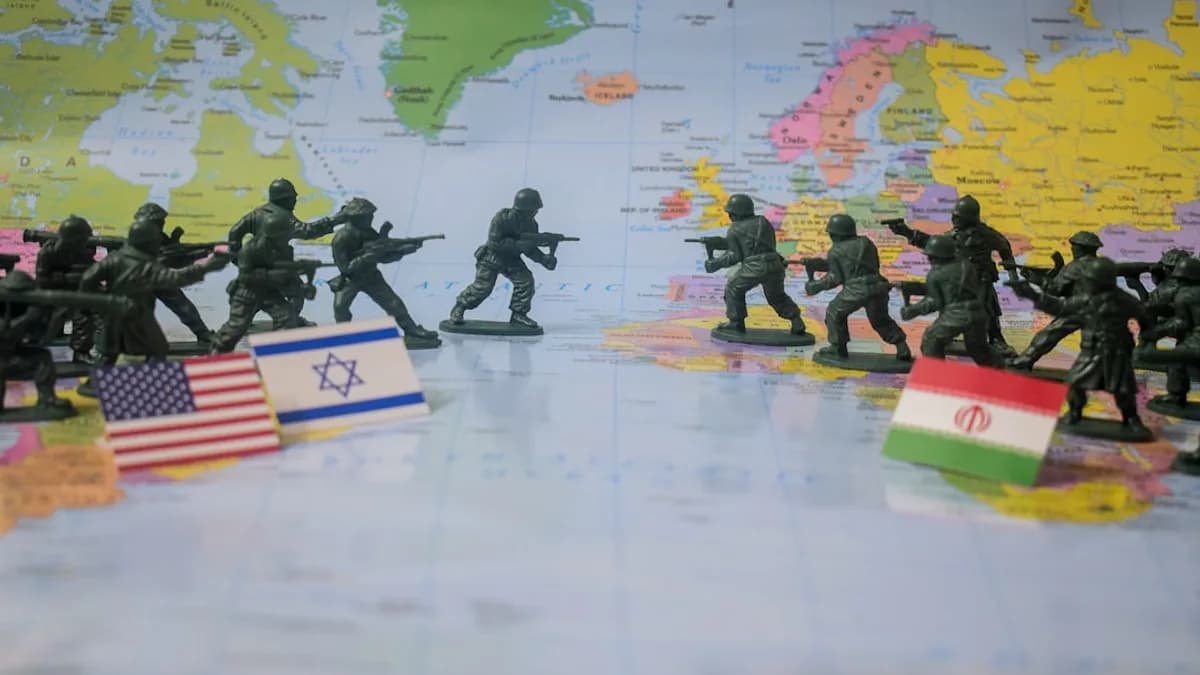



Introduction: Understanding Trump’s Stance on NATO Allies Amid Iran Conflict
Donald Trump says some NATO countries are acting “naughty.” He means they haven’t done what the US wants in dealing with Iran. This isn’t just about strong words. Trump’s warning could lead to real changes in how the US treats its allies. Right now, the tension between the US and Iran is high. Washington has asked its NATO partners to help, but some European countries are holding back [Source: Google News]. This article looks at why Trump is upset, what he might do, and how his approach could shake up the alliance. The stakes are big: NATO is supposed to stand together, especially in tough times. If the US starts punishing “bad” allies, it could change the way countries work together—for better or worse.
Examining the Criteria Behind the 'Naughty' List of NATO Allies
When Trump talks about a ‘naughty’ list, he’s not joking. He’s pointing to NATO members who don’t follow US requests. Lately, the US has asked its European allies to join operations against Iran. Many countries, like Germany and France, have said no or have been slow to agree. They worry about starting a bigger conflict in the Middle East or hurting their own interests [Source: Google News]. Some want more proof before they act. Others don’t want to risk upsetting their own voters or making deals with Iran harder.
Trump’s criteria for calling countries “naughty” seem simple: do what the US wants, or face trouble. But NATO is about more than just following orders. Members are supposed to help each other, but they can also decide what action is best for their people. For example, Germany has a big economy linked to Iran and relies on steady energy supplies. France often pushes for diplomacy first. Turkey sometimes goes its own way in the region, looking after its own borders.
The US sees this reluctance as a problem. Washington wants fast, strong support. But Europe often moves slower and asks more questions. This difference has caused more tension in the past few years. During Trump’s time as president, he often complained about NATO countries not spending enough on defense. Now, it’s about Iran. The US expects allies to stand with it, no matter what. But Europe thinks more about the costs and risks. This gap shows how alliances can struggle when members disagree on big issues.
Potential Consequences for NATO Allies: Diplomatic and Strategic Implications
So, what happens next? Trump’s threats aren’t just talk. The US could cut military help or slow down sharing intelligence. It could limit access to US technology or weapons. In the past, the US has used trade tariffs or held back funding to get its way. Allies know these moves can hurt.
If the US puts pressure on NATO allies, the alliance could get weaker. NATO has always been about sticking together, especially when threats are big. If some countries feel bullied or punished, trust will drop. Leaders could start questioning why they should join future US missions. Some might look for new partners or go their own way.
Diplomatically, this move could push Europe and the US further apart. The gap between the US and Europe has grown over issues like spending, climate change, and now Iran. If the US acts alone, it could lose support for other key projects, like defending Ukraine or fighting terrorism. Allies might start to see the US as unreliable or too bossy.
Strategically, a split in NATO would be risky. Russia and China watch these cracks closely. If the alliance looks weak, they could take advantage—maybe by testing NATO’s limits in places like the Baltic states or the South China Sea. A divided NATO makes the world less safe for everyone.
There’s also a risk of escalation. If allies feel angry or left out, they might push back. They could limit their own support, cut joint programs, or even rethink their membership. This could make collective defense weaker—at the worst time, with conflicts brewing in the Middle East.
Analyzing the Broader Geopolitical Context of US Pressure on Europe Over Iran
The US wants Europe to join its push against Iran because it sees Iran as a growing threat. Iran’s nuclear program, missile tests, and influence in places like Syria worry Washington. For the US, showing a united front is key. It makes threats look stronger and gives more power in negotiations [Source: Google News].
Europe has its own reasons for holding back. Many countries trade with Iran or want to keep the 2015 nuclear deal alive. They worry that joining US operations could kill talks or make the region less stable. France, Germany, and the UK have tried to keep diplomacy going, even when the US walked away from the deal.
There’s also public opinion. Most Europeans do not want another war in the Middle East. Their leaders know this, so they move carefully. They ask for proof and look for peaceful solutions first. This makes it harder for Washington to get quick, strong support.
Global security is shifting. The US used to call the shots, but now Europe wants more say. China and Russia are also growing stronger. They often side with Iran, or at least stay neutral. If the US and Europe disagree on Iran, it could shape new alliances and change how big powers work together.
For the Middle East, this split matters. Iran could use the cracks to get more deals or to push its influence. Countries like Saudi Arabia, Israel, and Turkey watch closely. If NATO is divided, they might rethink their own plans or make new deals. This could make the region more unpredictable, with more chances for conflict.
Opinion: Why Punishing NATO Allies Could Backfire on US Strategic Goals
It’s tempting to force allies to act—but it rarely works well. If the US starts punishing NATO members, it could push them even further away. Trust is hard to win back once it’s lost. Allies may feel bullied and less likely to help in the future.
NATO is strong because it’s built on teamwork. Each country brings something different to the table. When members feel respected, they work together better. When they’re threatened, they close up or look for new partners. The US needs Europe for defense, intelligence, and global influence. If it starts cutting ties or treating allies badly, it risks losing all of that.
History shows that alliances work best when built on respect and open talk. During the Cold War, NATO members often disagreed, but they found ways to solve problems together. Now, with new threats like Iran and Russia, the US should focus on listening and finding common ground.
Instead of punishing, the US could invite allies to share their concerns. It could work with Europe to build a plan that balances security and diplomacy. This would make the alliance stronger and help deal with Iran in a smarter way.
A divided NATO helps no one. It makes the alliance weaker and gives rivals more room to act. The US should remember that every country has its own interests and limits. Working together—especially in tough times—is the best way to stay strong.
Conclusion: Navigating Alliance Challenges Amid Complex International Conflicts
Trump’s threats to punish NATO allies may seem tough, but they could make things worse. The risks are clear: less trust, weaker alliances, and more room for rivals to move. NATO needs unity now more than ever, especially with Iran and other threats growing.
The US should aim for balanced diplomacy. Talk with allies, listen to their worries, and build plans together. That’s how NATO stays strong and keeps the peace. The future of US-European relations depends on smart choices and open minds. As the world gets more unpredictable, sticking together will matter most.
Why It Matters
- Trump's warnings could disrupt unity and cooperation within NATO.
- Changes in US policy may affect future military and diplomatic actions in the Middle East.
- European hesitation highlights differing priorities and could reshape global alliances.