


Why Saudi Mediation in Lebanon Is Crucial for Regional Stability
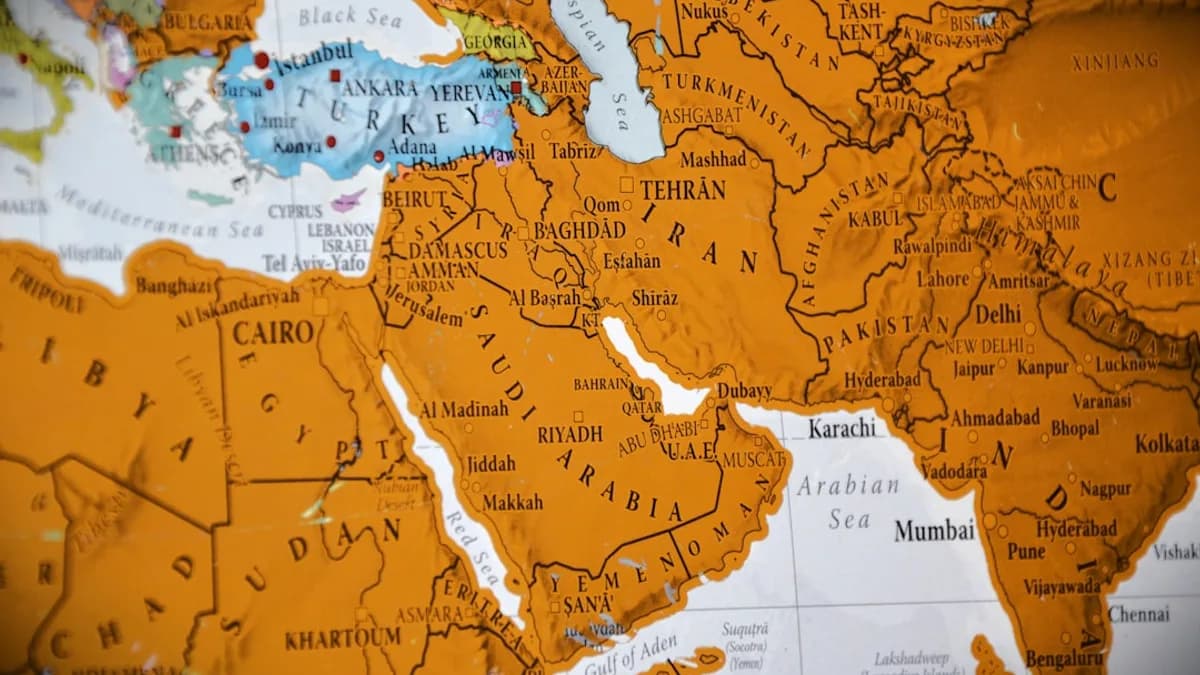
Lebanon’s political paralysis isn’t just a domestic headache—it’s a live wire for the entire Middle East. Saudi Arabia’s mediation attempts matter because Lebanon sits at the crossroads of regional rivalries, with its fragile government tangled in a web of sectarian, political, and military interests. When Saudi mediation stalls, the risk isn’t limited to Beirut’s streets; it reverberates through the border with Israel, the corridors of power in Tehran, and oil markets worldwide.
Saudi Arabia’s interest in Lebanese stability isn’t charity. Riyadh sees Lebanon as a buffer against Iranian influence, with Hezbollah’s armed presence on Israel’s doorstep threatening both Saudi and Western interests. The Saudis have poured over $1 billion into Lebanon’s economy and security forces since 2006, aiming to shore up friendly factions and limit Hezbollah’s reach. But as CryptoBriefing reports, the mediation process has fractured under Lebanon’s internal divisions.
The Israeli withdrawal question is the lynchpin. Israel’s presence in southern Lebanon, justified by ongoing skirmishes with Hezbollah, remains a flashpoint. Saudi-mediated talks are supposed to produce a unified Lebanese position—one strong enough to negotiate Israel’s exit and prevent escalation. But with talks derailed, Israel has held off pulling back troops from disputed border areas, extending military deployments and fueling instability.
The stakes are clear: stalled mediation risks sparking wider conflict and undermining peace initiatives. The longer Lebanon’s factions remain deadlocked, the greater the chance that Israel’s military posture hardens, Saudi-Iranian rivalries intensify, and the entire region slides closer to crisis.
What Internal Divisions Are Hindering Saudi Mediation Efforts in Lebanon?
Lebanon’s political system is a patchwork of sectarian quotas, with power split among Sunni, Shiite, Christian, and Druze leaders. The major players—Hezbollah (Shiite), Amal (Shiite), the Future Movement (Sunni), and various Christian blocs like the Lebanese Forces and Free Patriotic Movement—rarely agree on anything beyond their mutual distrust.
This fragmentation paralyzes decision-making. For example, the presidency has been vacant since October 2022, after Michel Aoun’s term ended. No faction can muster the votes to elect a successor, leaving key state functions in limbo. Cabinet formation is routinely blocked by disputes over ministerial portfolios; the last government collapsed in 2021, and caretaker arrangements have limped along ever since.
Saudi mediation faces a brick wall when Lebanese factions refuse to unite behind a single negotiating stance. Hezbollah and its allies, backed by Iran, reject Saudi-led proposals that threaten their military autonomy. Sunni and Christian groups, wary of Hezbollah’s dominance, are equally unwilling to concede. The result: when Saudi diplomats push for consensus, talks devolve into shouting matches or stall altogether.
A case in point—last month’s failed attempt to broker a ceasefire with Israel. Saudi diplomats presented a draft deal, but Hezbollah dismissed it as “unacceptable,” accusing Riyadh of favoring Western interests. Christian leaders objected to security guarantees that excluded their input. The deadlock left Saudi mediators empty-handed and Israeli forces entrenched on the border.
How Do Lebanon’s Internal Conflicts Affect the Israeli Withdrawal Timeline?
Israeli withdrawal from southern Lebanon is directly tied to Lebanese state cohesion. Without a stable government or unified military command, Israel argues it cannot trust Lebanon to prevent cross-border attacks. Each time Lebanese factions squabble, Israel’s defense establishment extends its deployment, citing security risks.
Negotiations have stalled repeatedly over the past year. In May 2023, talks mediated by Saudi Arabia aimed to secure a phased Israeli pullback from the contested Shebaa Farms and Ghajar area. But the Lebanese negotiating team split on whether Hezbollah should disarm in exchange for Israeli concessions. The impasse prompted Israel to shelve its withdrawal plan, maintaining an estimated 2,000 troops in the area and ramping up patrols.
The risks are escalating. Since mediation broke down, border clashes have surged—UNIFIL recorded a 40% increase in incidents between November 2023 and January 2024. Israel has warned that continued instability could spark a wider offensive, with officials citing over 120 rocket launches from Hezbollah-held territory in the past six months.
A recent case: In December 2023, a Saudi-backed proposal for a security buffer zone ran aground when Lebanese ministers couldn’t agree on implementation. Hezbollah’s representatives demanded veto power over military deployments, while Christian groups insisted on international guarantees. The deadlock froze talks, and Israel responded by fortifying positions and suspending troop withdrawals.
What Are the Broader Geopolitical Implications of the Stalled Mediation?
The collapse of Saudi mediation in Lebanon isn’t just a local drama—it’s a signal to regional power brokers and global markets. Iran views Lebanon as a strategic outpost; Hezbollah’s resilience amid political chaos boosts Tehran’s influence and gives it leverage in negotiations with Saudi Arabia, Israel, and the West.
Saudi Arabia’s failure to broker peace undercuts its ambitions to lead Arab diplomacy. Riyadh has invested heavily in recent rapprochements, including restoring ties with Tehran and championing Arab normalization with Israel. The Lebanese deadlock exposes the limits of Saudi leverage, weakening its hand in wider negotiations.
Peace initiatives across the Middle East are now at risk. The Abraham Accords, which normalized relations between Israel and several Arab states, hinge on reducing regional tensions. Stalled mediation in Lebanon threatens this progress—if border clashes escalate, Arab states may rethink diplomatic overtures or delay economic partnerships.
Energy markets are already jittery. Lebanon’s instability raises fears of supply disruptions, especially if conflict spreads to Syrian or Israeli infrastructure. Brent crude jumped 3% in January 2024 after Israeli border clashes intensified, with traders citing “Middle East risk premium” as a key driver.
Humanitarian fallout is mounting. Lebanon’s currency has lost over 90% of its value since 2019, and 80% of the population now lives below the poverty line. If Saudi mediation fails and conflict intensifies, refugee flows into Cyprus, Turkey, and Jordan could spike, straining international aid and triggering new migration crises.
What Are Possible Paths Forward to Revive Saudi Mediation and Promote Israeli Withdrawal?
Breaking Lebanon’s deadlock requires creative diplomacy and external pressure. One option: a “contact group” combining Saudi, French, US, and Egyptian envoys, each with influence over different Lebanese factions. This model worked in Bosnia during the 1990s, where rival powers coordinated to push warring parties toward settlement.
International organizations could step in. UNIFIL’s mandate might expand to include political mediation, not just border monitoring. The IMF and World Bank can tie aid disbursements to progress on government formation and security guarantees, incentivizing cooperation among Lebanese leaders.
Successful precedents exist. The Taif Agreement of 1989, brokered by Saudi Arabia, ended Lebanon’s civil war by imposing constitutional reforms and power-sharing. Adapting this approach—updating quotas, strengthening central authority, and ensuring buy-in from all factions—could unlock progress.
If mediation revives, Israel could agree to a phased withdrawal, contingent on Lebanon deploying a unified, non-sectarian force to the border. Saudi Arabia might offer economic incentives or security guarantees, while the US and EU provide diplomatic cover.
The next weeks will be decisive. If external actors coordinate and Lebanese leaders see tangible benefits, mediation could restart and withdrawals resume. Otherwise, expect tensions to escalate, risking wider conflict and deeper instability. The lesson: regional peace hinges not just on deals, but on the ability to break entrenched internal divisions—something Saudi Arabia and its allies must tackle head-on.
Why It Matters
- Stalled mediation raises risk of wider conflict along the Israel-Lebanon border.
- Lebanon’s internal divisions undermine regional peace efforts and Saudi influence.
- Continued instability threatens both Middle East security and global oil markets.