Tragic Death of Lebanese Journalist Highlights Human Cost of Conflict
The body of a journalist for a pro-Hezbollah newspaper was pulled from the rubble of her Lebanon home after an Israeli military strike [Source: Google News]. She was killed while seeking shelter during ongoing attacks. The Lebanese prime minister accused Israel of war crimes after the strike, saying it targeted media workers and blocked rescuers [Source: Google News].
This is more than a single tragedy. It shows the sharp human cost of fighting between Israel and groups in Lebanon. The journalist was not just a bystander. She was part of the press, reporting for her community. Her death asks tough questions about safety for journalists and the right to report during war. When journalists are killed, the world loses a witness. This event also highlights the risks facing reporters in conflict zones, especially when violence makes rescue or reporting almost impossible.
The Role of Journalists in Conflict Zones and the Importance of Press Freedom
Journalists are often the only eyes and ears for the outside world in war zones. They risk their lives to tell stories of people caught in the fighting. Without them, most of us would only hear one side, or none at all. For example, reporters in Syria, Ukraine, and Afghanistan have shown how civilians suffer, even when governments want to hide the facts.
When journalists are targeted, it’s not just a blow to them or their families. It hurts press freedom. People everywhere depend on reporters to get the truth. Attacks on the press make it harder to share facts and hold leaders responsible. It can also scare other reporters into silence.
International laws are clear. The Geneva Conventions and United Nations rules say journalists must be protected in war zones, just like other civilians. Many groups, like Reporters Without Borders, track attacks on the press and call for justice. Still, over 100 journalists worldwide were killed in 2023, mostly in conflict regions [Source: Committee to Protect Journalists].
This latest killing in Lebanon is a grim reminder. If the world does not protect journalists, important stories will be lost, and the suffering of ordinary people may be hidden.
Examining the Israeli Strike: Allegations of Targeted Attacks and War Crimes
Reports say the journalist died in a strike that hit her home while she was taking shelter [Source: Google News]. The Lebanese prime minister called it a targeted attack and accused Israel of war crimes, claiming the strike blocked rescuers from reaching her [Source: Google News]. Israel has not confirmed if the home was targeted because of the journalist, or if it was part of wider attacks in the area.
Targeting homes and killing media workers raises big questions. If journalists are marked as enemies, it sets a dangerous trend. Civilian infrastructure, like homes and press offices, should be off-limits in war. When these places are hit, it makes everyone less safe—reporters, civilians, and even rescue workers.
Still, proving war crimes is not easy. Both sides in conflicts often trade blame. Evidence can be hard to collect when fighting is ongoing and access is blocked. The fog of war makes it tough to know exactly what happened, and who is responsible. Independent investigations are needed to sort facts from claims.
Accountability matters. If armies or armed groups know they will be watched and judged, they may think twice before breaking the rules. When journalists are killed and no one is punished, it sends a message that the press is fair game. This must change. The world needs open, honest reporting, especially when the stakes are high.
The Broader Impact of Conflict on Lebanese Civilians and Media Landscape
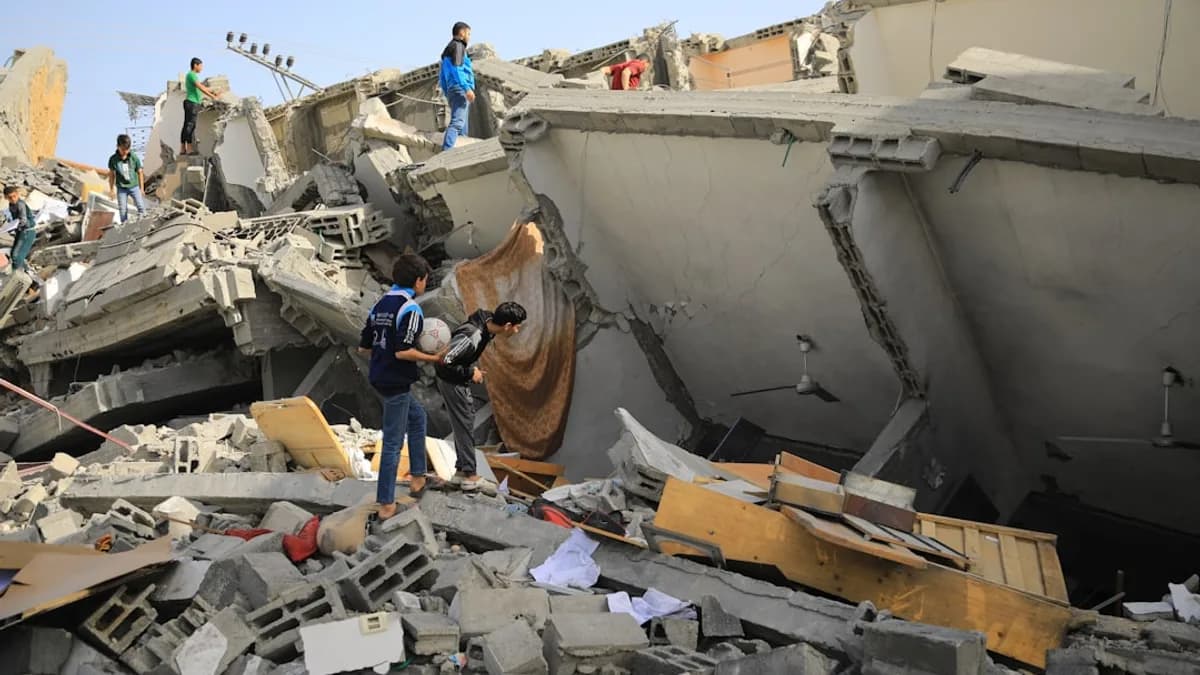
The death of this journalist is only part of the pain in Lebanon. Israeli strikes have hit homes, schools, and hospitals. Many families have lost loved ones or been forced to flee. The fighting has strained basic services and made life harder for ordinary people.
Local media now face bigger risks. Reporters have to decide if it’s worth the danger to cover the news. Some stories never get told because it’s too risky. Newsrooms worry about their staff and sometimes pull reporters out of dangerous areas. This means people in Lebanon—and the world—get less information about what’s really happening.
The humanitarian crisis is deep. Many international groups, like the Red Cross and United Nations, have called for safe zones and faster aid. But the fighting often blocks help from reaching those in need. Civilians pay the price when wars drag on and the media cannot report freely.
Opinion: Upholding Ethical Standards and Protecting Journalists Amidst Political Conflict
The death of a journalist should never be just another headline. All sides in conflicts must follow international laws that protect reporters. These rules are there for a reason—to keep the truth coming, even in hard times.
It’s time for stronger action. International groups and governments must push for better enforcement. Attacks on the press should be investigated by neutral teams, not just by the countries involved. Impartial probes can help find facts and bring justice. Otherwise, more journalists will be scared or silenced.
Journalists are not fighters. They are witnesses. Their safety is tied to everyone’s right to know. Israel, Lebanon, and any group involved in conflict must respect human rights and press freedom. This is not just a moral rule—it’s a practical need. Without trustworthy news, rumors spread, and fear grows.
History shows what happens when journalists are blocked. In places like Myanmar, Russia, and Gaza, attacks on the press have made it harder to know the truth. This leads to more violence and less hope for peace. Protecting reporters is a step toward ending conflict, not just covering it.
Conclusion: Remembering the Fallen Journalist and Advocating for Peace and Press Safety
The journalist killed in Lebanon was doing her job—telling the world what was happening in her community. Her death is a stark reminder of the risks that reporters face and the heavy price of war [Source: Google News].
Protecting journalists is not just about their safety. It’s about keeping democracy alive and making sure leaders answer for their actions. The world should not accept attacks on the press as normal. News is not just a business—it is a lifeline for truth and justice.
Now is the moment for global leaders, media groups, and ordinary people to call for peace and safety for all reporters. If we want honest news and fair societies, we must fight for press freedom and protect those who bring us the facts.
Why It Matters
- Journalist deaths highlight the extreme dangers faced by reporters in conflict zones.
- Attacks on the press threaten press freedom and reduce access to independent information.
- Such incidents raise urgent questions about accountability and protection for media workers under international law.