Kremlin’s Security Overdrive Signals Deeper Paranoia Than Publicly Admitted
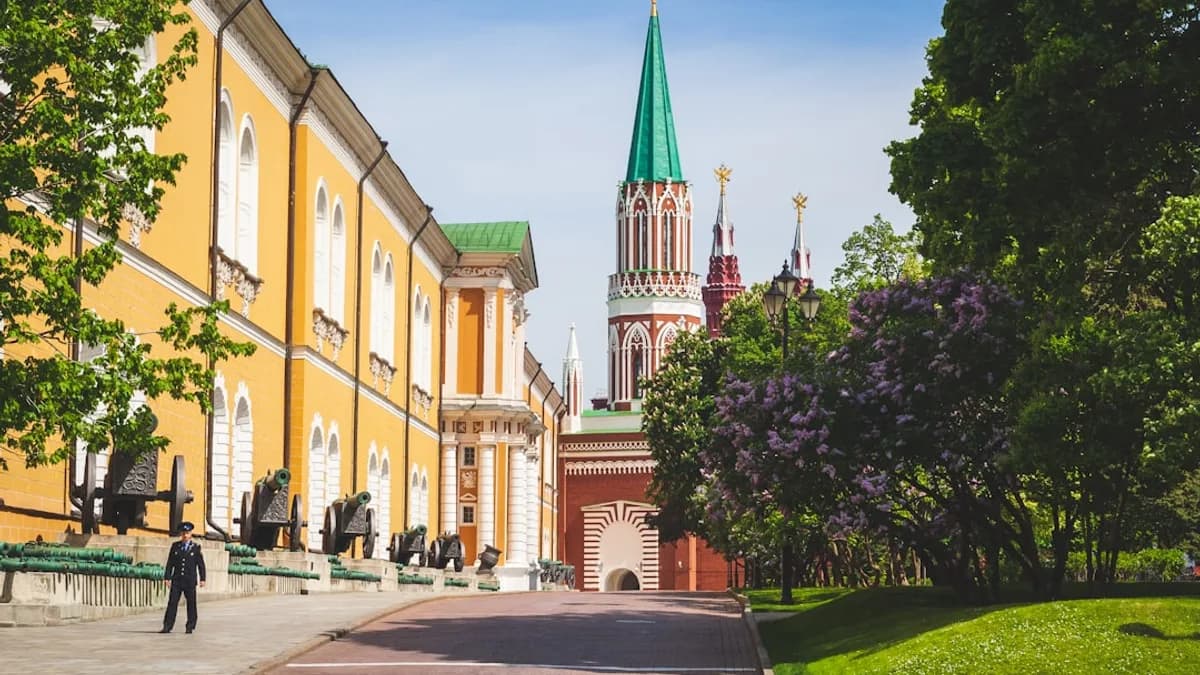
Russian leadership isn’t just beefing up perimeter defenses — it’s recalibrating the fundamental calculus of personal safety versus political control. Kremlin insiders have scrambled to erect new layers of security around Vladimir Putin, including expanded checkpoints, tighter access for non-essential staff, and what intelligence sources describe as “unprecedented” internal monitoring. The move isn’t just about preventing assassination. It’s a window into Moscow’s mounting anxiety about internal dissent, potential palace intrigue, and the optics of vulnerability as war drags on.
For months, rumors of plots — from foreign intelligence to disgruntled oligarchs — have swirled in Russian media and diplomatic circles. This latest surge in security, according to CryptoBriefing, comes as ceasefire negotiations with Ukraine stall, and Putin’s circle grows smaller, less accessible, and more insulated. The timing is no accident. Kremlin decision-makers know that fear of infiltration or attack doesn’t just threaten Putin’s life; it undercuts the regime’s claim to stability.
Such paranoia isn’t new. But the scale of these measures — and their direct impact on diplomatic access — marks a shift. The Kremlin’s fortress mentality is becoming policy, not just posture.
Security Upgrades: From Metal Detectors to Diplomatic Roadblocks
Recent weeks have seen concrete changes: more armed guards at the Kremlin, a doubling of ID checks for visitors, and blanket bans on unscheduled meetings. Foreign delegations report delays of up to 72 hours just to secure appointments. Even Russian officials are subject to “randomized” background screenings before entering high-security zones. Intelligence analysts estimate the number of physical checkpoints has increased by almost 40% since mid-May. Surveillance systems, previously focused on perimeter threats, now cover internal corridors and offices.
Diplomatic envoys complain that these measures do more than slow down meetings — they create an atmosphere of suspicion. Negotiators must submit detailed itineraries days in advance, and their movements are tracked via RFID badges. A senior European diplomat tells MLXIO that “every time you walk in, you feel like a suspect, not a partner.” Ceasefire talks, already fraught, are now further hampered by logistical hurdles and psychological barriers.
The data backs up these concerns. According to independent Moscow-based think tanks, the average time to arrange a high-level diplomatic meeting has jumped from 2 days in 2022 to 5 days in June 2024. That’s a 150% increase — and it coincides with a drop in official ceasefire “touchpoints,” down 30% from the previous quarter. The message is clear: when security trumps access, diplomatic channels clog, and momentum for peace evaporates.
The symbolism matters too. Diplomatic protocol relies on openness — a handshake, a candid corridor exchange. The Kremlin’s new fortress approach signals not just caution, but distrust. In wartime, that can be a death knell for negotiation.
Stakeholders Clash: Strength or Weakness In Kremlin’s Security Blitz?
Russian officials paint the security upgrades as proof of resolve. The narrative: Putin is so valuable, so central, that his safety must be paramount. Kremlin spokespersons insist that “no threat will deter Russia from its objectives.” Yet, insiders admit the threat assessment is more complex. Some see the moves as evidence of elite anxiety — a sign that Putin’s grip isn’t as ironclad as it looks.
Ukrainian negotiators read the situation differently. Tighter security, in their view, signals vulnerability. “A leader who fears for his life is unlikely to make bold concessions,” one Kyiv official told MLXIO. The implication: Russia’s defensive posture makes compromise harder, not easier.
International diplomats are split. Some argue that heightened security is a rational response to real threats, especially after recent drone incursions near Moscow. Others warn that the Kremlin is closing itself off from external influence, making it harder for mediators to build trust or suggest creative solutions.
The strongest evidence points to dysfunction piling up. Russian officials may project strength, but the practical effect is isolation — and isolation rarely breeds diplomatic progress.
Past Security Crises: How Leader Protection Stalled Peace Efforts Before
History shows that security paranoia often triggers diplomatic paralysis. In 1981, after the attempted assassination of Pope John Paul II, Vatican security tightened to the point that external meetings dropped by half. The result: negotiations over Cold War religious freedoms froze for months.
Closer to Russia, the aftermath of the 1999 apartment bombings saw Boris Yeltsin’s security detail balloon overnight. The Kremlin became a fortress, and peace talks with Chechen separatists collapsed. The lesson wasn’t lost on Putin, who rose to power as a “protector” in that environment.
Internationally, Israel’s ramped-up protection for Prime Minister Yitzhak Rabin after threats from extremists in the early 1990s correlated with delays in Oslo negotiations, eventually ending in Rabin’s assassination and the derailment of peace efforts.
Every time leadership security ramps up, diplomatic engagement suffers. The current Kremlin situation echoes these patterns — insulation breeds mistrust, slows negotiation, and leaves the status quo to fester.
Global Fallout: Security First, Diplomacy Last — Risks for Stability and Conflict Management
The Kremlin’s turn inward risks destabilizing Europe’s already precarious security architecture. With fewer diplomatic windows, NATO and EU officials face a steeper climb to broker even limited humanitarian corridors. The UN’s own peace-building staff report that Russia’s “closed-door” posture has reduced opportunities for third-party mediation by more than 25% since April, according to internal memos.
Markets react, too. The ruble’s volatility reflects not just battlefield uncertainty, but investor skepticism about Russia’s ability to de-escalate. In the past month, Russian sovereign CDS spreads widened by 60 basis points, signaling rising default risk — and that’s before factoring in the diplomatic freeze.
Regional security suffers most. Moldova, Belarus, and the Baltics have all stepped up border patrols, citing spillover from Russia’s “unpredictable” leadership. Energy traders expect further instability, with European gas futures up 13% since May, driven by fears that prolonged conflict will disrupt supply chains.
The broader lesson: when a major power walls itself off, everyone else pays. Diplomatic gridlock breeds miscalculation. The longer Putin’s security trumps access, the harder it becomes for outside actors to influence, monitor, or even understand Russian intentions.
Kremlin Security Trends: What to Watch for in Russia-Ukraine’s Next Act
The odds of a near-term ceasefire are shrinking. If current security protocols persist — or harden — expect negotiations to remain sporadic, superficial, and largely performative. Watch for three key indicators:
- Public Security Announcements: If the Kremlin continues to publicize new measures, it’s signaling both strength and anxiety.
- Diplomatic Meeting Frequency: Any uptick in official “touchpoints” could signal a thaw, but sustained declines mean talks are dead in the water.
- Elite Mobility: Restrictions on movement for senior Russian officials suggest deeper internal mistrust; easing these could precede renewed negotiation.
The most likely scenario: the Kremlin doubles down on security, Ukraine digs in, and peace talks become a sideshow—until either side faces a game-changing shock. That could be a dramatic battlefield reversal, a major economic crisis, or a leadership shake-up.
But if history holds, the security-first doctrine won’t just delay peace. It will shape postwar negotiations, with Russia demanding more guarantees and less openness. For diplomats, investors, and regional leaders, the message is clear: monitor Kremlin security moves, not just battlefield headlines. That’s where the real signal lies for Russia’s next diplomatic pivot.
Impact Analysis
- Heightened security reflects deeper fears within the Russian leadership about internal threats and instability.
- Stricter access and delays are directly affecting diplomatic relations and ceasefire negotiations with Ukraine.
- The Kremlin's shift toward a 'fortress mentality' signals growing risks for both domestic politics and international diplomacy.