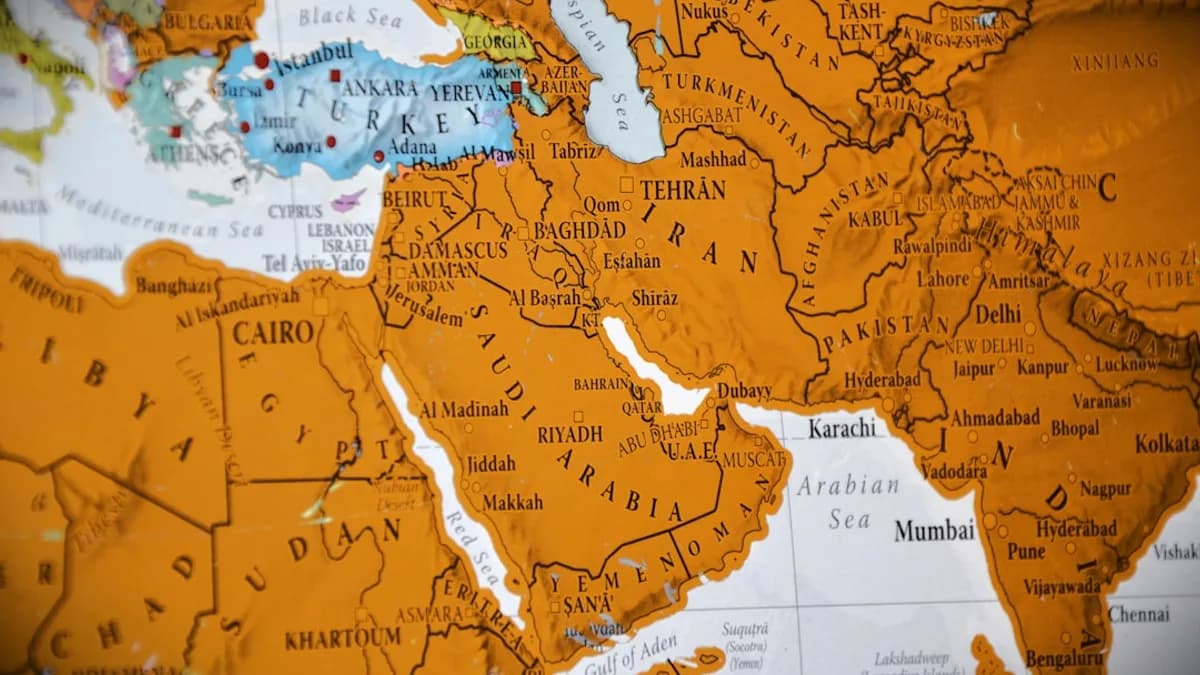
Introduction: Context of the Israel-Lebanon Ceasefire
The border between Israel and Lebanon has long been a flashpoint for tension and conflict. The ceasefire arrangement, rooted in United Nations Security Council Resolution 1701, was established in 2006 to end the devastating 34-day war between Israel and Hezbollah. This agreement set the terms for a cessation of hostilities, outlining restrictions on military activities and the deployment of forces, especially in southern Lebanon.
In recent months, the ceasefire has come under renewed scrutiny due to escalating cross-border incidents and shifting military postures on both sides. Central to the latest debate is Israel’s announcement of a so-called “Yellow Line”—a newly revealed Forward Defense Line in southern Lebanon, intended to demarcate areas under Israeli operational control. This move has triggered intense discussion among regional actors, international observers, and the media concerning its legality and implications for the fragile ceasefire [Source: Source].
What is Israel’s ‘Yellow Line’?
The “Yellow Line,” as introduced by the Israeli military, refers to a map delineating areas of southern Lebanon currently claimed to be under the operational control of the Israel Defense Forces (IDF). This line is not an internationally recognized border but rather a military zone the IDF describes as a Forward Defense Line. The map was recently published by Israeli authorities, revealing the extent of territory in southern Lebanon where the IDF maintains an active military presence during heightened tensions with Hezbollah [Source: Source].
According to the IDF, the establishment of the Yellow Line is primarily a strategic move, intended to safeguard Israeli border communities from potential attacks and to create defensive depth in the event of further escalation. The line extends into southern Lebanese territory, encompassing several villages and rural areas, and is supported by ongoing military patrols and fortifications. While Israeli officials characterize the line as a necessary security precaution, its existence marks a significant shift from the previous status quo, raising concerns about the erosion of the ceasefire and respect for Lebanese sovereignty [Source: Source].
The Lebanon Ceasefire Agreement: Terms and Restrictions
The ceasefire agreement between Israel and Lebanon, brokered in 2006 through UN Security Council Resolution 1701, imposes several key restrictions intended to prevent renewed hostilities. First and foremost, the resolution mandates a cessation of offensive military operations by both Israel and Hezbollah and forbids any unauthorized military presence south of the Litani River. This area is designated as a demilitarized zone, where the Lebanese Armed Forces and the United Nations Interim Force in Lebanon (UNIFIL) are the only authorized military actors [Source: Source].
In addition to restricting military activities, the agreement explicitly prohibits Israel from maintaining a ground presence inside Lebanese territory. UNIFIL, comprised of peacekeepers from various countries, is tasked with monitoring the Blue Line—the internationally recognized border—and ensuring both sides adhere to the ceasefire terms. International actors, including the United Nations and the European Union, play an ongoing role in facilitating dialogue and de-escalation when incidents occur. Any shift in territorial control or the introduction of new military lines, therefore, has significant implications for compliance with both the letter and spirit of the ceasefire [Source: Source].
Allegations of Violation: Does the ‘Yellow Line’ Breach the Ceasefire?
The introduction of the Yellow Line has sparked a contentious debate over whether Israel’s actions constitute a violation of the Lebanon ceasefire agreement. Critics argue that the establishment of a new military line within southern Lebanon, particularly one enforced by active IDF patrols and fortifications, undermines Lebanon’s sovereignty and breaches the terms set out by Resolution 1701 [Source: Source]. Reports from multiple news outlets have documented IDF activities in southern Lebanon during the ceasefire, including the razing of villages and construction of defensive positions—actions described as reminiscent of tactics used in Gaza [Source: Source].
Israeli officials, however, maintain that the Yellow Line is a defensive measure, not an expansionist move. Defense Minister Israel Katz has publicly vowed to use “full force” in Lebanon to counter any threat to Israeli troops and border communities, framing the Yellow Line as a necessary deterrent against Hezbollah incursions [Source: Source]. The Israeli government contends that these actions are in response to repeated violations of the ceasefire by Hezbollah, including cross-border rocket attacks and the establishment of new military infrastructure close to the border.
Lebanese authorities and many international observers take a starkly different view. Lebanon’s government has condemned the Yellow Line as a clear violation of its territorial integrity, calling on the United Nations and international community to intervene. UNIFIL has expressed concern over any changes to the status quo, warning that unilateral military actions risk destabilizing the border region and undermining the ceasefire [Source: Source]. Human rights groups and regional analysts similarly argue that the presence of Israeli forces in southern Lebanon, particularly in civilian-populated areas, escalates tensions and increases the risk of renewed conflict.
The controversy is further complicated by the opacity surrounding the exact location and extent of the Yellow Line. While the IDF has published maps, their interpretation is disputed, and neither side fully agrees on the facts on the ground. This ambiguity, combined with ongoing military incidents, has made it difficult for international mediators to verify compliance and build trust between the parties.
Implications for Regional Stability and Future Ceasefire Prospects
The establishment of Israel’s Yellow Line carries significant implications for regional security and the future of the Israel-Lebanon ceasefire. By altering the military balance in southern Lebanon and challenging the established norms of territorial control, the Yellow Line risks triggering further escalation. If either side perceives the ceasefire as being violated, there is a heightened risk of a return to open hostilities—a scenario with potentially devastating consequences for civilian populations on both sides of the border [Source: Source].
Diplomatic efforts are already underway to address the rising tensions, with international actors such as the United Nations, European Union, and United States urging restraint and dialogue. The role of UNIFIL remains crucial in monitoring developments and facilitating communication between the parties. However, unless both Israel and Lebanon recommit to the principles of the ceasefire and agree to resolve disputes through negotiations rather than unilateral military moves, the prospects for lasting stability remain uncertain.
Conclusion: Understanding the Complexities of the ‘Yellow Line’ and Ceasefire Dynamics
The debate over Israel’s Yellow Line encapsulates the complex realities of managing ceasefires in conflict zones marked by deep mistrust and competing security concerns. While Israel frames the line as a necessary defense against Hezbollah, Lebanon and many in the international community see it as a dangerous breach of sovereignty and a threat to peace [Source: Source]. The ambiguity surrounding territorial control and the challenges of effective monitoring highlight the limitations of ceasefire agreements in volatile environments.
As the situation evolves, close attention from international mediators, credible reporting, and continued dialogue will be essential to prevent escalation and uphold the fragile peace. The coming months will be critical in determining whether the Yellow Line becomes a new flashpoint or a catalyst for renewed diplomatic engagement in the Israel-Lebanon borderlands.