Introduction: Context and Significance of the Israel-Lebanon Talks
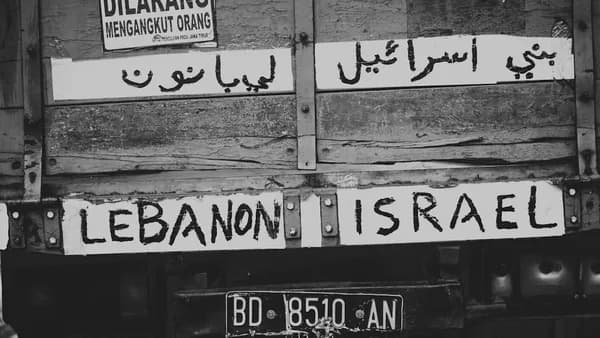
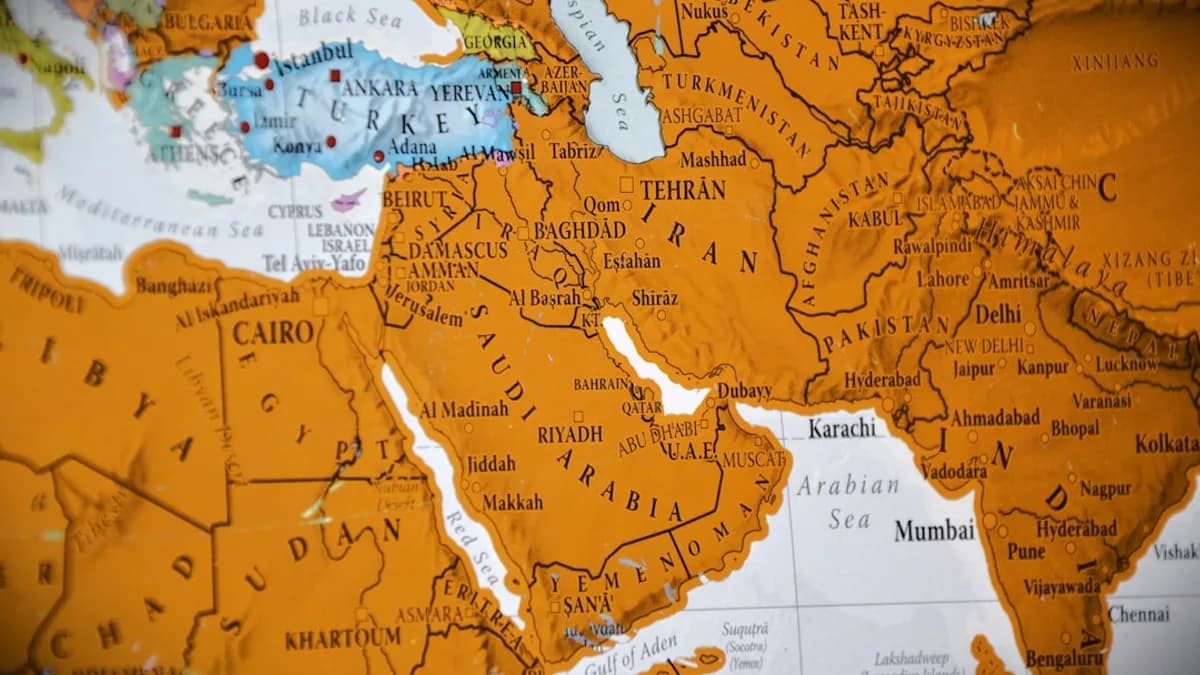
The Middle East is once again at a geopolitical crossroads as Israel and Lebanon embark on direct diplomatic talks, marking their first such engagement in decades. These discussions come against the backdrop of the ongoing Iran war, which has dramatically altered the regional security landscape. The conflict’s spillover effects have drawn in major players—including the United States, Iran, and Hezbollah—transforming local disputes into a complex web of international rivalries and alliances.
Historically, Israel and Lebanon have had a fraught relationship, largely defined by military hostilities, border skirmishes, and unresolved territorial disputes. The 2006 Lebanon War between Israel and Hezbollah, a militant group with significant influence in Lebanon, left deep scars and established a tense but largely static ceasefire. Diplomatic engagement has been rare, with most interactions mediated indirectly or through third parties.
The current talks, held in Washington, signal a potential shift. Their timing is significant: they occur amid heightened tensions between Iran and the United States, and as Hezbollah—a key Iranian proxy—signals its strong opposition to any normalization of relations with Israel. This opposition underscores the fragility of the process, raising questions about the prospects for peace and the risks of renewed conflict in the region [Source: Source].
Geopolitical Dynamics: The Role of Iran, Hezbollah, and Regional Powers
Iran’s influence in Lebanon is inseparable from the actions and stance of Hezbollah. As one of Tehran’s most important proxies, Hezbollah has entrenched itself both militarily and politically within Lebanon. Iran’s strategic interest is to maintain a strong foothold on Israel’s northern border, using Hezbollah as a deterrent and as leverage in its broader confrontation with Israel and the West. This relationship has become even more prominent amid the ongoing Iran war, with Tehran seeking to project power and safeguard its regional interests [Source: Source].
Hezbollah’s opposition to the current talks is both ideological and tactical. The group views direct negotiations with Israel as a threat to its legitimacy and a potential weakening of its domestic and regional standing. By publicly voicing its disapproval, Hezbollah aims to signal both to its supporters and to other actors in the region that any agreement reached without its involvement may lack legitimacy. The organization’s leadership has warned that the talks could undermine Lebanon’s sovereignty and compromise resistance against Israel.
The United States, meanwhile, has been assertive in its regional policy, notably by imposing a blockade on Iranian ports as part of its strategy to contain Tehran’s influence. This blockade is not just an economic measure but a signal of Washington’s willingness to use its power to shape outcomes in the region. The U.S. is also playing a direct role in facilitating the Israel-Lebanon talks, seeking to manage escalation risks and preserve its interests.
France, under President Emmanuel Macron, has attempted to position itself as a mediator, but this approach has met with criticism from multiple sides. Macron’s policy towards Iran and Hezbollah has been questioned for either being too conciliatory or ineffective, reflecting the difficulty of balancing engagement with the need for firmness in a volatile environment.
In sum, the Israel-Lebanon talks are unfolding within a wider contest of influence, with Iran, Hezbollah, the U.S., and France all seeking to shape the outcome. Each actor’s motivations and constraints add layers of complexity to an already challenging diplomatic process [Source: Source].
Analysis of the Israel-Lebanon Direct Talks
The current round of direct talks between Israel and Lebanon, convened in Washington, represents a rare diplomatic opening. According to U.S. officials, the agenda focuses on border demarcation, security arrangements, and the potential for future economic cooperation. These are longstanding issues that have fueled suspicion and periodic violence along the Blue Line, the de facto border monitored by the United Nations.
Statements from key figures underscore both the historic nature of the talks and the challenges ahead. U.S. mediators have described the process as “delicate but necessary,” emphasizing the importance of incremental progress rather than immediate breakthroughs. Lebanese representatives have stressed their commitment to national sovereignty and the imperative to protect Lebanon’s interests, while Israeli officials have highlighted the need for security guarantees and an end to hostile activity emanating from Lebanese territory [Source: Source].
One recurring theme is the characterization of the talks as a “process” rather than a single event. U.S. Senator Marco Rubio, commenting on the negotiations, underscored that these discussions should be viewed as a “long-term diplomatic process” rather than a search for quick fixes [Source: Source]. This framing reflects the deep-rooted mistrust and the multitude of issues at stake. It also acknowledges the influence of external actors, particularly Hezbollah and Iran, who have the capacity to derail or delay progress.
Nonetheless, the talks present opportunities. If successful, they could pave the way for de-escalation along the border, open channels for economic collaboration—especially in offshore energy exploration—and potentially reduce the risk of wider conflict. The process, however, remains vulnerable to spoilers and requires sustained international support to maintain momentum.
Domestic and International Reactions
Hezbollah’s public opposition to the talks has immediate consequences within Lebanon. The group’s leadership has warned that direct negotiations with Israel are unacceptable and could provoke internal instability. Given Hezbollah’s significant military capabilities and its influence over Lebanese politics, this stance is not merely rhetorical; it raises the risk of domestic polarization or even renewed violence should the group feel its interests are threatened [Source: Source].
In Israel, political and military leaders have responded cautiously. There is recognition of the potential benefits of reducing tensions along the northern border, but also a clear awareness of the risks involved in negotiating with a state where Hezbollah remains a dominant force. The Israeli public remains divided, with some skeptical of the prospects for genuine peace as long as Hezbollah retains its arsenal.
Internationally, the talks have triggered debate over the role of external mediators. President Macron of France has come under fire for his approach to the Iran and Hezbollah dossiers, accused by some critics of lacking a coherent strategy [Source: Source]. The U.S., for its part, has emphasized the importance of sustained engagement and has positioned itself as a guarantor of any future agreement.
The broader international community has generally welcomed the talks, seeing them as a potential step toward regional stability. However, there is widespread skepticism about the likelihood of a breakthrough, given the entrenched positions of both sides and the disruptive potential of outside actors.
Potential Outcomes and Future Scenarios
Looking ahead, several scenarios could unfold as a result of the Israel-Lebanon talks. The most optimistic outcome would see the two countries reach a framework agreement on border demarcation and security arrangements, which could lead to reduced hostilities and the opening of economic cooperation, particularly in energy resource development. Such a scenario would require significant buy-in from both governments and, crucially, at least tacit acceptance from Hezbollah and Iran.
More likely, however, is a protracted process marked by intermittent progress and setbacks. Hezbollah’s opposition means that any agreement reached by the Lebanese government could be challenged or undermined domestically. Iran, seeking to maintain its regional leverage, may use its influence to limit the scope of any deal, or even provoke incidents to derail the process if it sees its interests threatened.
The U.S. role will remain pivotal. Washington’s continued blockade of Iranian ports is both a pressure tactic and a means of signaling its commitment to containing Iran’s regional ambitions. However, this approach carries risks, as it may provoke retaliatory measures from Tehran or its proxies, potentially escalating the conflict rather than containing it [Source: Source].
There is also the risk of miscalculation or escalation on the ground. If talks break down or are perceived as threatening by Hezbollah, the likelihood of renewed border clashes or even a larger conflict cannot be ruled out. Conversely, sustained diplomacy and incremental confidence-building measures could create openings for broader peace initiatives, though such outcomes would require a transformation in the region’s security dynamics.
Ultimately, the Israel-Lebanon talks will serve as a barometer for the broader trajectory of the Iran war and U.S. involvement in the Middle East. Their outcome will influence not only the immediate border area but also the strategic balance across the region.
Conclusion: Strategic Implications and the Road Ahead
The direct talks between Israel and Lebanon, held amid the ongoing Iran war, are a significant diplomatic development with far-reaching implications. They highlight both the persistent dangers of conflict and the enduring hope for peaceful resolution in a volatile region. The process remains fragile, complicated by Hezbollah’s opposition and the broader contest between Iran and the United States [Source: Source].
The road ahead will require a delicate balance between diplomacy and deterrence, and the sustained involvement of international actors willing to mediate and guarantee any agreements reached. While the prospects for a comprehensive peace remain uncertain, the current negotiations represent an important step—and a critical test—of the possibility for dialogue in even the most entrenched conflicts. Continued engagement and vigilant monitoring will be essential to steer the process toward a more stable and peaceful future for both Israel and Lebanon.