


Introduction: Overview of the Israel-Lebanon Ceasefire
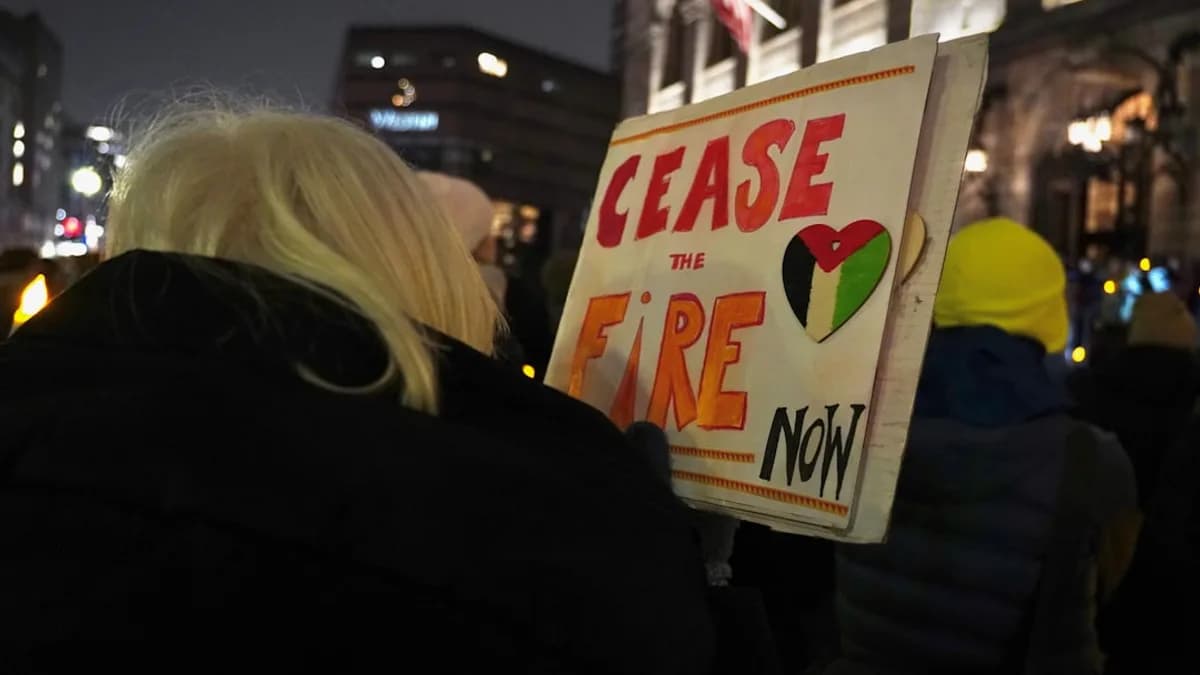
After weeks of escalating violence between Israel and Lebanon, a 10-day ceasefire has come into effect, marking a critical pause in hostilities that have threatened to destabilize the region even further. The ceasefire was announced following intensive diplomatic negotiations, with the goal of halting cross-border attacks and allowing humanitarian relief and civilian movement. This development is particularly significant given heightened tensions not only between the two countries but also across the broader Middle East, where the involvement of powerful regional actors such as Iran has raised fears of a wider conflict. The ceasefire’s commencement offers hope for de-escalation, even as leaders and observers remain cautious about its durability and implications for longer-term peace [Source: Source].
Background: Causes and Context of the Conflict
The conflict between Israel and Lebanon is rooted in decades of historical animosity, marked by recurring military confrontations and political disputes. The last major outbreak was the 2006 Lebanon War, when Israel fought Hezbollah, the powerful Shiite militant group based in Lebanon, resulting in thousands of casualties and widespread destruction. Since then, tensions have simmered, with periodic flare-ups along the border.
Hezbollah, which has substantial political influence in Lebanon and is backed by Iran, has been a central actor in the conflict. The group’s arsenal and military capabilities have grown over the years, prompting concerns in Israel of potential large-scale attacks. These fears have been exacerbated by Israel’s assertions that Hezbollah is receiving advanced weaponry and logistical support from Iran, which continues to seek strategic leverage in the region. The destabilizing role of Iran extends beyond Lebanon, influencing conflicts in Syria, Iraq, and Gaza, and fueling broader regional rivalries.
Recent events leading up to the ceasefire included a marked increase in rocket and missile exchanges following incidents along the Israel-Lebanon border. Israeli strikes targeted Hezbollah positions, while Hezbollah launched retaliatory attacks, resulting in civilian casualties and damage to infrastructure. The violence displaced thousands, particularly in southern Lebanon, and triggered urgent international calls for restraint. Against this backdrop, the ceasefire is seen as a temporary measure to prevent further escalation while underlying issues remain unresolved [Source: Source].
Details of the Ceasefire Agreement
The 10-day ceasefire agreement was brokered through a combination of regional diplomacy and behind-the-scenes negotiations involving several key stakeholders. The terms call for a complete halt to cross-border attacks, including rocket fire and airstrikes by both sides. Both Israel and Hezbollah have publicly committed to these conditions, although the agreement’s enforcement relies on mutual restraint and monitoring by international observers.
Negotiations involved not only the governments of Israel and Lebanon, but also intermediaries such as the United Nations and the United States, who played a role in facilitating dialogue. Iran’s involvement was also significant, given its support for Hezbollah and its influence over Lebanese politics. The ceasefire covers the entire Israel-Lebanon border region, with specific provisions for the withdrawal of armed forces and a ban on military movements in designated buffer zones. However, there are limitations: certain areas where Hezbollah maintains strong control remain exempt from full demilitarization, and the agreement does not address longer-term political disputes or the presence of militant infrastructure.
Observers caution that the ceasefire is fragile, given the lack of a comprehensive resolution to underlying grievances. Nonetheless, the agreement is viewed as a necessary step to prevent immediate bloodshed and allow for humanitarian relief efforts [Source: Source].
Current Status: First Day of the Ceasefire
On the first day of the ceasefire, reports indicate that hostilities have largely ceased, with no major violations recorded along the border. Both Israel and Hezbollah appear to be adhering to the terms, although local sources report heightened vigilance and the presence of monitoring teams to ensure compliance. Regional leaders have responded with cautious optimism, urging continued restraint and warning against provocations that could unravel the agreement [Source: Source].
The humanitarian situation is showing signs of improvement. Thousands of civilians who were displaced by the fighting—especially in southern Lebanon—have begun returning to their homes, expressing relief but also anxiety about the ceasefire’s durability. Aid agencies are moving in to provide essential supplies and support, while Lebanese authorities are working to assess and repair infrastructure damaged during the conflict. Israeli officials have emphasized the importance of maintaining security and are monitoring for any signs of renewed militant activity.
Despite the positive developments, the atmosphere remains tense, with uncertainty about what will happen once the 10-day period expires. Leaders and residents alike are hopeful for peace but wary of a return to violence [Source: Source].
International Reactions and Diplomatic Efforts
Global leaders and international organizations have welcomed the ceasefire, calling it an important opportunity to ease tensions and begin broader peace talks. The United Nations has issued statements urging all parties to respect the agreement and work toward a durable solution. The United States has played a pivotal role in both the ceasefire negotiations and ongoing regional diplomacy, emphasizing the need for restraint and offering support for humanitarian efforts [Source: Source].
Iran’s role is particularly noteworthy. As a key backer of Hezbollah and a major player in regional affairs, Iran’s tacit approval of the ceasefire signals a willingness to pause hostilities, potentially in the context of renewed nuclear deal negotiations. Former U.S. President Donald Trump commented that an Iran nuclear deal appears to be “getting closer” as the Lebanon truce takes effect, suggesting that the ceasefire could provide momentum for diplomatic breakthroughs on other fronts [Source: Source].
European leaders and Arab states have also weighed in, highlighting the risks of broader conflict and the importance of maintaining the ceasefire. Diplomats are working to leverage this pause as a platform for longer-term negotiations, including discussions over border security, disarmament, and political reforms in Lebanon.
Challenges and Outlook Beyond the Ceasefire
Despite the positive signals, significant challenges remain. The ceasefire is only a temporary measure, and there is widespread concern that violence could resume once the 10-day period ends. Both Israel and Hezbollah have deep-seated grievances and strategic interests that are unlikely to be resolved quickly. The risk of accidental or deliberate violations persists, especially in areas where armed groups maintain a strong presence.
Longer-term peace will require addressing the root causes of the conflict, including political instability in Lebanon, the influence of external actors such as Iran, and unresolved disputes over borders and security arrangements. International mediators are urging continued dialogue, but progress is expected to be slow and fraught with setbacks. The coming days will be crucial in determining whether the ceasefire can serve as a foundation for more lasting peace [Source: Source].
Conclusion: What the Ceasefire Means for the Region
The Israel-Lebanon ceasefire represents a moment of hope in a region plagued by conflict and uncertainty. While the agreement has halted immediate violence and allowed displaced civilians to return home, its future remains uncertain. Leaders and citizens alike express cautious optimism, aware of the risks but hopeful that this pause can lead to broader negotiations and stability. The next steps will involve monitoring compliance, supporting humanitarian relief, and pursuing diplomatic efforts to address the underlying drivers of conflict. As the ceasefire unfolds, the world will be watching to see if this fragile peace can be sustained and built upon [Source: Source].