Introduction: Renewed Tensions in the Strait of Hormuz
The Strait of Hormuz, a narrow passage connecting the Persian Gulf to the Arabian Sea, has once again become the focal point of international tensions following a dramatic escalation in maritime security incidents. Iranian gunboats reportedly fired upon a commercial tanker, prompting new concerns about the safety and openness of this critical waterway [Source: Source]. The strait is a lifeline for global energy markets, with roughly a fifth of the world’s oil supply transiting through its waters daily. Its strategic significance means that any disruption—such as the closure announced by Iranian authorities—has immediate and far-reaching consequences for international trade, energy prices, and regional stability. As the situation evolves, shipping companies, governments, and security analysts are closely monitoring developments, wary of the potential for wider conflict and economic fallout.
Incident Details: Gunfire and Tanker Attacks
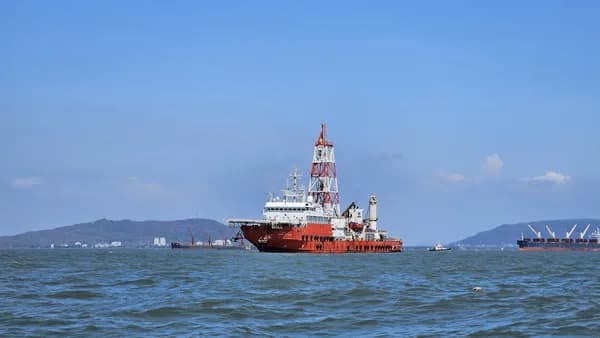
The latest escalation began when Iranian gunboats intercepted and fired upon a tanker navigating the Strait of Hormuz, according to multiple vessel reports and maritime authorities [Source: Source]. Ship-tracking data indicates that several commercial vessels managed to cross the strait prior to the incident, but the targeted tanker was caught in the midst of the closure announcement. Crew members on affected vessels described chaotic scenes as gunfire erupted, with some ships reportedly sustaining minor damage but no major casualties.
The timeline of events unfolded rapidly: after Iran declared the strait closed, gunboats approached the tanker and demanded compliance, then fired warning shots when the vessel did not immediately alter its course. Nearby ships received alerts from maritime authorities and initiated evasive maneuvers, leading to widespread rerouting and U-turns in the area [Source: Source]. Military and shipping sources confirm that the tanker under fire was able to continue its journey, albeit under heightened security and with increased escort presence. The incident comes amid heightened Iranian warnings against unauthorized crossings, raising fresh questions about the freedom of navigation and the rules governing the region’s waters.
Strait of Hormuz Closure and Maritime Movements
Iran’s official statement on the closure of the Strait of Hormuz has triggered a swift response from the global shipping industry. As news of the closure spread, ship-tracking platforms recorded a surge of vessels making abrupt U-turns and rerouting away from the strait [Source: Bloomberg]. Some tankers successfully crossed before shots were fired, according to Reuters, but many others either halted their journeys or sought alternate routes to avoid potential confrontation [Source: Reuters]. The closure, while not absolute—some vessels have continued to transit under strict monitoring—has disrupted standard shipping patterns and led to increased uncertainty.
Maritime analysts point out that the closure of the strait is both a symbolic and practical threat. It signals Iran’s willingness to leverage its geographic position to exert pressure on international actors, mainly in response to ongoing geopolitical tensions. The widespread rerouting of ships highlights the industry’s sensitivity to security risks and the rapid decision-making required to safeguard crews and cargo. The risk of further incidents remains high, with vessels now operating under heightened alert and insurance premiums likely to rise as a result of the perceived instability in the region [Source: Source].
International and Regional Responses
The incident has elicited immediate responses from governments and international organizations. India, a major importer of energy resources through the Strait of Hormuz, urged Iran to resume the process of facilitating India-bound ships as soon as possible. The Indian Ministry of External Affairs emphasized the importance of uninterrupted maritime access, particularly in light of the recent gunfire incident [Source: The Times of India]. Maritime security authorities and military sources have condemned the attack, calling for restraint and adherence to international law governing freedom of navigation.
Regional security experts warn that the closure and attack may strain diplomatic relations further, especially between Iran and its trading partners in Asia and Europe. The United States and other allied nations have reiterated their commitment to maintaining open sea lanes, with potential increases in naval patrols and coordinated efforts to deter further escalation [Source: Military Times]. The diplomatic pressure on Iran is mounting, but there is also caution against actions that could provoke wider conflict. As the situation develops, international bodies such as the United Nations may play a more active role in mediating and monitoring the strait to ensure safe passage for commercial shipping.
Broader Implications for Global Energy and Security
The closure of the Strait of Hormuz reverberates across global energy and financial markets. With nearly 20% of the world’s crude oil passing through the strait daily, even temporary disruptions can lead to spikes in oil prices and heightened volatility. Energy analysts are already warning of potential supply shortages and increased costs for refineries and consumers worldwide [Source: Source]. Commercial shipping operators face higher risks and may see insurance rates climb as underwriters factor in the new security environment.
The incident also underscores the broader risks facing maritime trade in the region. The threat of escalation—from isolated attacks to larger-scale conflict—remains a concern for stakeholders, including oil-producing countries, shipping alliances, and multinational corporations. International stakeholders are watching closely, weighing the potential for coordinated intervention versus diplomatic engagement. The region’s stability is crucial not only for energy supplies but also for global economic growth and security. As tensions persist, the prospect of further disruptions looms, with the risk that even minor incidents could trigger broader confrontations.
Conclusion: Monitoring Developments and Future Outlook
The situation in the Strait of Hormuz remains fluid and fraught with risk. The recent attack on a tanker and Iran’s renewed closure of the strait highlight the vulnerability of one of the world’s most important maritime chokepoints [Source: Source]. Ongoing monitoring by governments, shipping companies, and international organizations is essential to prevent further escalation and protect global trade routes. Diplomatic efforts will be critical in promoting de-escalation and ensuring safe passage for commercial vessels. Looking ahead, maritime security and international cooperation will be key to navigating the challenges in the region, safeguarding energy supplies, and maintaining stability in the face of renewed tensions.