Introduction: Overview of Day 49 in the US-Iran Conflict
Day 49 marks a pivotal moment in the ongoing US-Iran conflict, a crisis that has dominated international headlines for nearly two months. The roots of the conflict trace back to escalating tensions over nuclear policy, regional influence, and the strategic importance of maritime routes in the Gulf. Over the past several weeks, a series of military strikes, cyber operations, and diplomatic maneuvers have shaped the trajectory of the standoff, involving not only the United States and Iran but also key regional and global players.
The current phase is significant as both sides appear to be recalibrating their strategies amidst mounting international pressure and domestic concerns. On day 49, new developments—including the reopening of the Strait of Hormuz and renewed signals toward peace talks—suggest a possible turning point in the conflict. This article provides a comprehensive update on the latest military actions, diplomatic efforts, expert analysis, and what may come next in this critical geopolitical crisis.
Recent Military and Strategic Developments
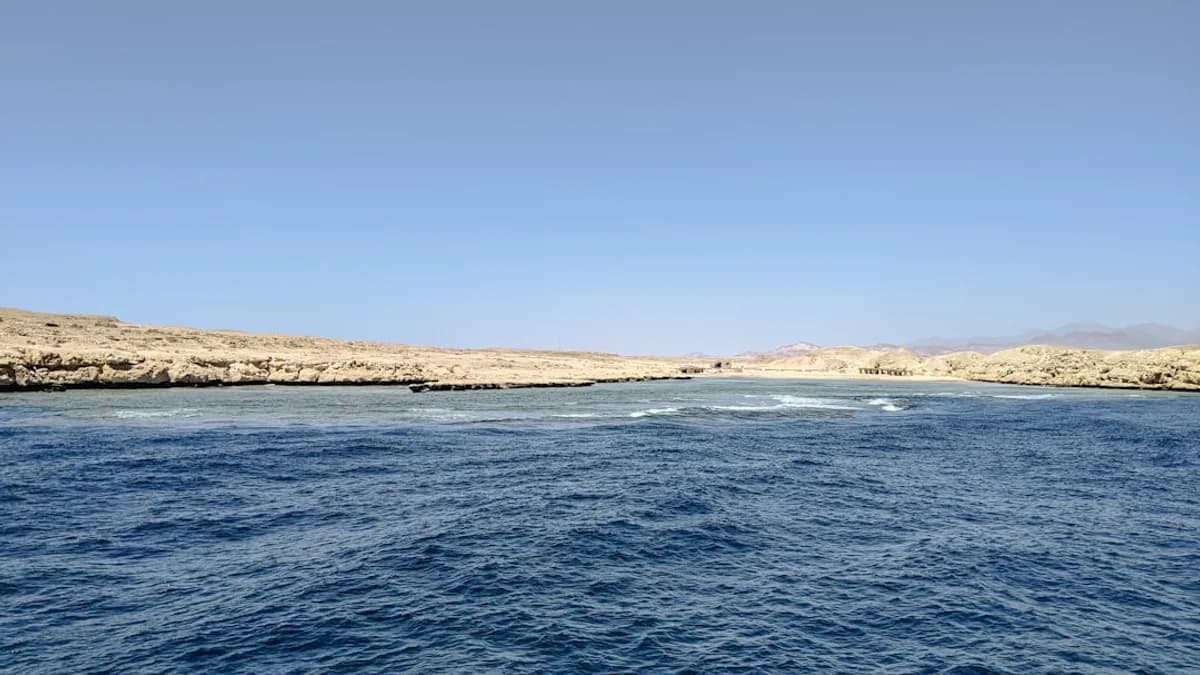
In the past 24 hours, the conflict witnessed several noteworthy military and strategic maneuvers. Iran’s decision to reopen the Strait of Hormuz stands out as a major development, given the waterway’s role as a lifeline for global oil shipments. The closure of the Strait had previously sent shockwaves through energy markets, driving up oil prices and raising fears of prolonged supply disruptions. Its reopening, announced by Iranian officials late last night, has already calmed some market anxieties and is seen as a gesture aimed at de-escalation [Source: Source].
Meanwhile, both the US and Iran continue to maintain heightened military readiness. Reports indicate that US naval assets are still patrolling the Persian Gulf, with intelligence sources suggesting an uptick in surveillance and reconnaissance operations. Iran’s Revolutionary Guard has likewise reinforced its coastal and missile defenses, signaling continued vigilance despite the reopening of shipping lanes [Source: Source].
The strategic implications of these actions are profound. The Strait of Hormuz is responsible for nearly a third of the world’s seaborne oil shipments, and any disruption can ripple through global markets. Analysts note that Iran’s move to reopen the Strait likely reflects both economic necessity and a desire to gain leverage in upcoming negotiations. In the broader regional context, neighboring states—including Saudi Arabia, the UAE, and Israel—have expressed cautious optimism but remain wary of further escalations. The US State Department has reiterated its commitment to safeguarding maritime security, emphasizing that “all options remain on the table” should hostilities resume [Source: Source].
Diplomatic Moves and Peace Talks
Diplomatic efforts have gained renewed momentum as both sides signal openness to negotiations. Former US President Donald Trump, who has played an active role in backchannel diplomacy, stated in a recent interview that a deal with Iran could come “soon,” hinting at possible breakthroughs in the near future [Source: Source]. Trump’s remarks were echoed by White House officials, who confirmed that peace talks are likely to resume this weekend, potentially marking the first face-to-face engagement since hostilities intensified.
Iranian leaders have also signaled willingness to return to the table, citing the reopening of the Strait of Hormuz as a “confidence-building measure.” However, Tehran insists that any agreement must address sanctions relief and regional security guarantees. Diplomats from the European Union, Russia, and China have stepped up their involvement, urging both sides to exercise restraint and prioritize dialogue over confrontation.
Reactions from international and regional stakeholders have been mixed. Gulf allies such as Saudi Arabia and the UAE have welcomed the prospect of peace talks, though they remain skeptical about Iran’s long-term intentions. Israel, meanwhile, has called for “maximum pressure” to ensure Iran’s compliance with any future agreements. European officials have offered to host upcoming talks in Geneva, underscoring their commitment to a multilateral approach [Source: Source].
The diplomatic landscape remains fluid, with many observers noting that the coming days could be decisive. Key sticking points include the sequencing of sanctions relief, verification of Iran’s nuclear activities, and assurances regarding regional proxy groups. As talks approach, both sides are carefully weighing their options, aware that any misstep could reignite tensions.
Analysis from Experts and Institutions
Expert analysis provides valuable perspective on the unfolding crisis. The Institute for the Study of War’s April 15, 2026 special report outlines several possible trajectories for the conflict. According to their assessment, Iran’s reopening of the Strait of Hormuz is likely a calculated move aimed at securing economic stability while signaling flexibility ahead of diplomatic engagement [Source: Source]. The report cautions, however, that entrenched mistrust and competing interests could complicate negotiations.
Political commentary from The Economist highlights the interplay between domestic pressures and international diplomacy. Iranian leaders face mounting economic challenges, with sanctions and market volatility weighing heavily on the country’s financial sector. For the US, the conflict has become a focal point in presidential politics, with both parties seeking to balance deterrence and diplomacy. The Financial Times notes that Trump’s assertion of imminent peace talks may be designed to bolster his own political standing as much as to signal genuine progress [Source: Source].
Looking ahead, experts warn that the situation remains highly unpredictable. While the reopening of the Strait has eased immediate concerns, underlying tensions persist—particularly regarding Iran’s missile program and its support for regional proxy actors. Intelligence sources suggest that both sides are quietly preparing for a range of scenarios, from rapid de-escalation to renewed hostilities. The next round of talks will be critical in determining whether the crisis can be resolved or whether it will enter a new, more dangerous phase.
Conclusion: What to Watch for Next
Day 49 has brought a mix of caution and hope to the US-Iran conflict. The reopening of the Strait of Hormuz, renewed diplomatic overtures, and shifting military postures suggest that both sides may be inching toward a negotiated settlement. However, significant hurdles remain, including deep-seated mistrust, complex regional dynamics, and unresolved issues around sanctions and security.
Observers should closely monitor the upcoming peace talks, expected to resume this weekend, as well as any new military or strategic maneuvers in the Persian Gulf. The outcome of these discussions will likely shape not only US-Iran relations but also broader regional security and global economic stability. As events unfold, the world will be watching—hoping that day 49 marks the beginning of a lasting resolution to one of the most volatile conflicts of recent years [Source: Source].