Introduction: Recent Developments in the Iran Strait of Hormuz Situation
The geopolitical landscape in the Persian Gulf shifted dramatically following Iran’s recent declaration that the Strait of Hormuz is now open, marking a significant development in months of escalating tensions with the United States. The Strait, one of the world’s most vital maritime routes, handles nearly a fifth of global oil shipments, making its status critical not only for regional security but also for global energy markets. This announcement comes amid a US-imposed blockade of Iranian ports—a move that has contributed to heightened hostilities and concerns about potential conflict in the region.
The reopening statement was met with immediate responses from governments, international organizations, and major news outlets. While some stakeholders expressed cautious optimism and hopes for a peace deal, others warned of lingering risks and uncertainties. The fluidity of the situation underscores the fragile balance between diplomacy and confrontation in the Gulf. As updates continue to pour in, observers are watching closely to see whether this development signals a step toward de-escalation or merely a pause in ongoing tensions [Source: Source].
Details of Iran’s Announcement and Its Implications
Iran’s official statement regarding the reopening of the Strait of Hormuz was delivered with a clear caveat: the US blockade of Iranian ports must end if the strait is to remain open. Tehran emphasized that while maritime passage is currently permitted, it retains the right to restrict access again should its demands remain unmet. This conditional approach positions Iran not only as a key gatekeeper of the strait but as a strategic negotiator leveraging its geographic advantage. Iranian officials underscored the importance of “mutual respect and adherence to international law” in any resolution, framing their move as both a gesture of goodwill and a warning [Source: Source].
The implications for regional security and global oil markets are profound. The Strait of Hormuz is a chokepoint through which approximately 20% of the world’s petroleum passes. Any disruption or uncertainty regarding its accessibility sends ripples through energy markets, prompting price spikes and heightened investor anxiety. The reopening, even if temporary, may offer short-term relief to oil importers and shipping companies, but the threat of closure remains. Iran’s strategic messaging appears calculated to pressure the US and its allies into reconsidering their sanctions and military posture, while simultaneously reassuring international audiences of its commitment to stability—provided its own interests are respected.
This move also reflects Iran’s broader diplomatic strategy. By reopening the strait and tying its continued operation to the removal of the US blockade, Tehran is seeking to shift the narrative from confrontation to negotiation. The announcement has been interpreted by analysts as both an olive branch and a bargaining chip, potentially paving the way for renewed peace talks or, conversely, intensifying standoffs if demands are not met.
US and International Responses to the Strait’s Reopening
US officials responded to Iran’s announcement with measured optimism, signaling that the reopening could be an opportunity to ease tensions. However, Washington remains firm in its stance: the blockade of Iranian ports will continue until Iran meets certain conditions related to regional security and nuclear transparency. A senior US State Department spokesperson noted that while “dialogue is possible,” the US is “not prepared to lift sanctions or blockades without substantial commitments from Tehran” [Source: Source].
International reactions have been mixed. The European Union and United Nations have urged restraint and called for open channels of communication, emphasizing the importance of maritime security and the uninterrupted flow of commerce. Gulf states, dependent on stable sea routes for their oil exports, welcomed the reopening but expressed concerns about Iran's threat to close the strait again if its demands are not addressed. Shipping companies and insurance firms, meanwhile, are closely monitoring the situation, wary of sudden shifts that could affect operations and premiums.
Diplomatic efforts are ongoing, with several countries offering to mediate and facilitate talks between Iran and the US. The reopening of the strait is seen by some as a potential confidence-building measure that could lay the groundwork for broader negotiations. However, the US’s insistence on maintaining the blockade complicates the prospects for an immediate peace deal. The situation remains precarious, with both sides signaling willingness to engage but also maintaining hardline positions that could derail progress.
On-the-Ground Realities: Confusion and Uncertainty at the Strait
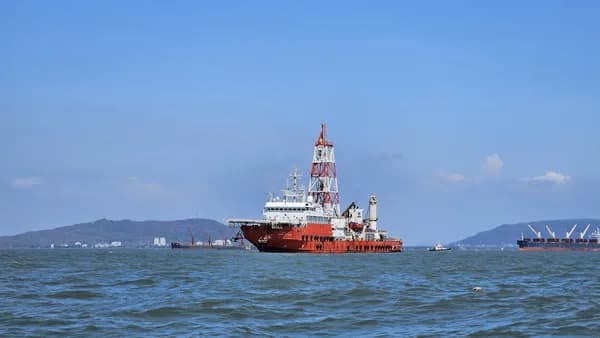
Despite Iran’s declaration, reports from the ground indicate a landscape marked by confusion and caution. Videos circulating on news networks and social media show commercial vessels turning away from the Strait of Hormuz, uncertain whether safe passage is truly guaranteed [Source: Source]. Maritime traffic data reveals irregular patterns, with some ships rerouting to avoid potential risks, underscoring the persistent ambiguity surrounding the strait’s status.
This confusion stems from conflicting signals: while Iran asserts the strait is open, the threat of renewed closure and the ongoing US blockade of ports create a climate of uncertainty. Shipping companies are reluctant to commit to normal operations until clearer assurances are provided, and maritime insurance rates remain elevated, reflecting the ongoing risk. Maritime experts warn that this lack of clarity not only disrupts global supply chains but also increases the potential for accidents or misunderstandings in the crowded waters.
The situation highlights the importance of clear communication and robust protocols in international maritime affairs. Until all parties provide unequivocal guarantees, the strait’s reopening is unlikely to fully restore confidence among shippers and traders.
Prospects for a Peace Deal and Future Developments
The reopening of the Strait of Hormuz, even amid uncertainty, is seen by many as a possible catalyst for renewed peace negotiations. Diplomatic sources suggest that Iran’s conditional gesture could be leveraged to initiate talks aimed at resolving the broader conflict and easing sanctions [Source: Source]. However, the specter of a potential re-closure, should the US blockade persist, looms large over these prospects.
Several scenarios are possible. If the US and Iran reach a compromise—perhaps involving phased sanctions relief or security guarantees—the strait could remain open, stabilizing the region and global oil markets. Alternatively, a breakdown in talks could see Iran swiftly close the strait again, escalating tensions and risking direct confrontation. The role of international diplomacy, particularly mediation by neutral parties such as the UN or EU, will be critical in steering the situation toward a peaceful resolution.
In the short term, observers expect continued volatility, with markets reacting to every new statement and development. Long-term stability will depend on the willingness of both sides to engage in sustained dialogue and address each other’s core concerns. For regional actors, the stakes are high: the uninterrupted flow of oil and commerce, the safety of maritime routes, and the risk of broader conflict all hinge on the outcome of ongoing negotiations.
Conclusion: Monitoring a Fragile Situation
The reopening of the Strait of Hormuz represents a pivotal moment in the ongoing confrontation between Iran and the United States. While Iran’s announcement has raised hopes for a peace deal and temporary relief for global markets, the situation remains volatile, with both sides maintaining hardline positions. Confusion on the ground, persistent threats, and the unresolved blockade underscore the fragility of the current détente [Source: Source].
As the world watches, the importance of continued international attention, robust reporting, and cautious optimism cannot be overstated. The coming days and weeks will be critical in determining whether this development marks a genuine step toward peace or simply a pause in a protracted conflict. For now, stakeholders and observers must remain vigilant, ready to respond to rapid changes in a region where stability is as elusive as it is essential.