Introduction: The Strait of Hormuz and Its Global Significance
The Strait of Hormuz is one of the world’s most vital maritime chokepoints, acting as a gateway for nearly a third of global seaborne oil shipments. Recent developments have brought renewed focus to this narrow waterway: Iran has announced that the strait is “completely open” to commercial vessels, a statement that immediately triggered a sharp drop in oil prices and sent stock markets soaring [Source: Source]. This article unpacks the geopolitical backdrop, details the events leading up to Iran’s announcement, analyzes market reactions, and explores the risks and implications for global energy security and economic stability.
Geopolitical Context: Why the Strait of Hormuz Matters
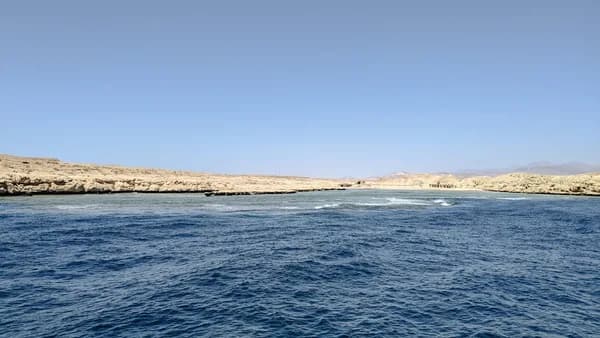
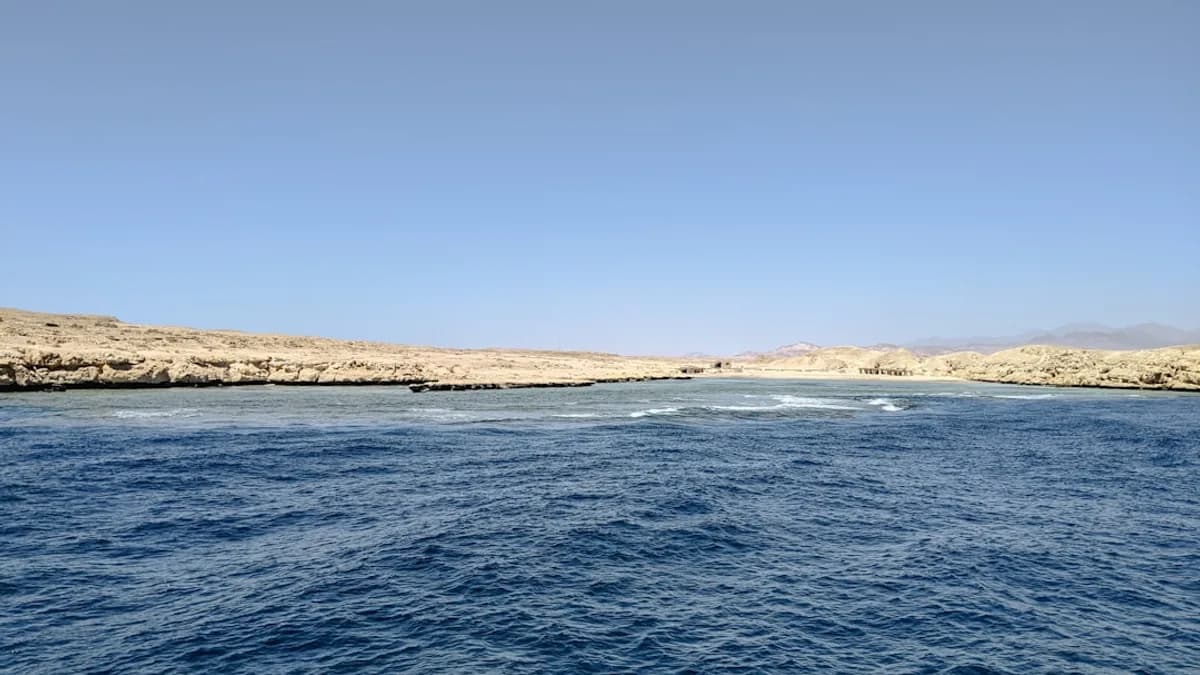
Situated between Iran and Oman, the Strait of Hormuz connects the Persian Gulf with the Gulf of Oman and the Arabian Sea. At its narrowest point, the strait is only about 21 miles wide, yet it serves as the passage for roughly 20% of the world’s daily oil supply—making it a linchpin in global energy markets [Source: Source].
The strait has long been a flashpoint for geopolitical tensions. Iran, which borders the strait, has historically used its strategic position as leverage in disputes with Western powers and regional rivals. Over the past decades, incidents such as the “Tanker War” during the Iran-Iraq conflict in the 1980s, periodic threats to close the strait, and attacks on oil tankers have repeatedly rattled global markets. Even brief disruptions have led to spikes in oil prices and heightened concerns about energy security.
Security in the Strait of Hormuz is a delicate balance involving Iran, Gulf states, the United States, and other international actors. Naval patrols, military exercises, and diplomatic maneuvers are routine. Each episode of tension—whether caused by sanctions, military escalation, or political rhetoric—has underscored the vulnerability of this vital shipping lane and its outsized impact on global economic stability.
Recent Events Leading to Iran’s Announcement
Iran’s latest statement about reopening the Strait of Hormuz comes amid heightened geopolitical tensions. In recent months, Iran has faced renewed international sanctions, increased military posturing from the US, and diplomatic pressure related to its nuclear program and regional activities [Source: Source]. The immediate trigger for the announcement appears to be a combination of diplomatic negotiations and shifting military dynamics.
Iranian officials asserted that commercial vessels can now transit the strait without interference, signaling a de-escalation of previous threats to restrict passage. This move was widely interpreted as an attempt to reassure global markets and reduce pressure from Western powers. International responses have been cautious but generally positive, with governments and shipping companies welcoming the news while remaining alert to possible reversals.
The US-Iran relationship is an important backdrop. The Trump administration claimed Iran had agreed to “nearly all” its demands, suggesting that recent diplomatic engagement may have led to a temporary easing of tensions [Source: Source]. However, the details of these negotiations remain opaque, and skepticism persists about the durability of any agreement. The reopening of the strait is seen as a tactical move by Iran to regain leverage and reduce economic isolation, but the underlying issues—sanctions, regional rivalries, and nuclear ambitions—are far from resolved.
Market Reactions: Oil Prices and Stock Market Movements
Financial markets responded swiftly to Iran’s announcement. Oil prices dropped by 9%, reflecting reduced fears of supply disruptions and a sudden boost in confidence that energy flows would remain uninterrupted [Source: Source]. This sharp decline was driven by traders unwinding risk premiums that had been built into prices during the recent period of uncertainty.
The impact was not limited to oil. Global stock markets, particularly Wall Street, rallied to record highs as investor sentiment shifted from caution to optimism. The reopening of the strait was seen as a positive signal for economic stability and growth, leading to increased risk appetite and a surge in equity prices [Source: Source].
Analysts noted that the market volatility mirrored broader geopolitical risk assessments. When the Strait of Hormuz is threatened, investors tend to seek safe havens and brace for higher energy costs. Conversely, signs of de-escalation prompt a reallocation into riskier assets such as stocks. The episode illustrates how sensitive markets remain to geopolitical shocks, especially those affecting critical supply chains.
Remaining Risks and Uncertainties Despite Reopening
Despite Iran’s assurances, significant risks remain. The security of the Strait of Hormuz is still subject to sudden changes in regional dynamics—be it military escalation, renewed sanctions, or political provocations. Future disruptions are possible if diplomatic efforts falter or if new crises emerge.
Experts caution that while shipping is currently unimpeded, the situation could shift quickly. Scenarios include renewed military confrontations, sabotage of vessels, or the imposition of new trade restrictions. The durability of the reopening depends on ongoing negotiations and the willingness of regional and global actors to maintain stability.
Shipping companies and energy traders are watching closely for signs of renewed volatility. Many are hedging against potential future disruptions, underscoring the persistent uncertainty even in the wake of Iran’s statement [Source: Source].
Conclusion: What the Strait of Hormuz’s Status Means for Global Markets
In summary, the reopening of the Strait of Hormuz has provided immediate relief to global markets, leading to lower oil prices and a surge in stock valuations [Source: Source]. However, the strait’s strategic importance ensures that it will remain a focal point for geopolitical risk and market volatility.
Continued monitoring of regional developments is essential for investors, policymakers, and energy companies. While the current situation is stable, underlying tensions could quickly resurface, reminding the world of the delicate balance between optimism and caution in this critical maritime corridor.
Ultimately, the episode underscores the interconnectedness of geopolitics and global markets—where even a narrow stretch of water can shape the fortunes of economies and industries worldwide.