How Iran’s IRGC Warning Signals a Critical Shift in Middle East Power Dynamics
Iran’s Islamic Revolutionary Guard Corps (IRGC) isn’t just posturing; their latest warning to Washington telegraphs a recalibration in the regional balance of power. The IRGC’s assertion that the “window for action is narrowing” serves as a coded message: Iran is no longer content to play defense, and is now openly threatening to dictate the pace and terms of confrontation. The timing is surgical. With US military assets stretched across multiple fronts and Israel embroiled in Gaza, Tehran senses an opportunity — not just to influence outcomes, but to redefine the battlefield itself.
This isn’t the usual saber-rattling. The IRGC’s rhetoric, as reported by CryptoBriefing, is layered with urgency, hinting at internal confidence. Iranian officials rarely use language implying “final warnings” unless they believe leverage is shifting. That shift is visible: Iran’s proxies, from Hezbollah to Houthis, have ramped up attacks on US and Israeli interests, and Tehran’s missile and drone capabilities have proven their reach in recent months.
What’s driving this escalation? Iran feels boxed in by US sanctions, but regional instability — especially following Israel’s actions in Gaza and the Houthis’ Red Sea disruptions — gives Tehran bargaining chips. The IRGC’s warning is a signal to both adversaries and allies: Iran is prepared to force a crisis if its demands aren’t met, and the clock is ticking. This is not a bluff; it’s a countdown.
Quantifying the Impact: Data on Regional Tensions and Their Effect on Global Oil Markets
The market doesn’t wait for missiles to fly before pricing in risk. When the IRGC issues a threat, oil traders react immediately. Brent crude jumped from $82 to $88 per barrel between April and June as tensions ratcheted up, a 7% surge directly linked to fears of supply disruptions. In contrast, the same window last year saw less than a 2% move, underscoring how this episode is rattling nerves more than previous flare-ups.
Historical data shows a clear pattern: during the 2019 tanker attacks in the Strait of Hormuz, oil prices spiked 14% in days, with volatility indexes (OVX) climbing to levels not seen since the Gulf War. Every time Iran signals imminent escalation, global supply chains get jittery. The Strait of Hormuz alone carries roughly 21 million barrels per day — about 20% of global demand — making it the most critical chokepoint in energy logistics.
The “narrowing window” warning is not just theater; it’s a prelude to potential sabotage or blockades. Markets know this. Trading volumes on oil futures have ballooned, and options pricing reflects expectations of $100/barrel scenarios if hostilities erupt. Investors dumping energy equities for defensive positions—utilities and gold—are betting on volatility, not stability. The IRGC’s statement has already translated into a risk premium, and if Tehran acts, the numbers won’t just move—they’ll jump.
Diverse Stakeholder Perspectives on Iran’s Warning: US, Regional Allies, and Global Powers
Washington’s response has been predictable but cautious. The Pentagon ordered additional naval deployments to the Persian Gulf, but messaging remains calibrated, emphasizing deterrence rather than escalation. Diplomatically, the State Department has revived back-channel talks, hoping to cool tensions without conceding leverage. But policymakers know Iran’s warning isn’t empty: US bases in Iraq and Syria have faced over 120 drone and rocket attacks in the past six months, and every new IRGC threat ratchets up the risk to US personnel.
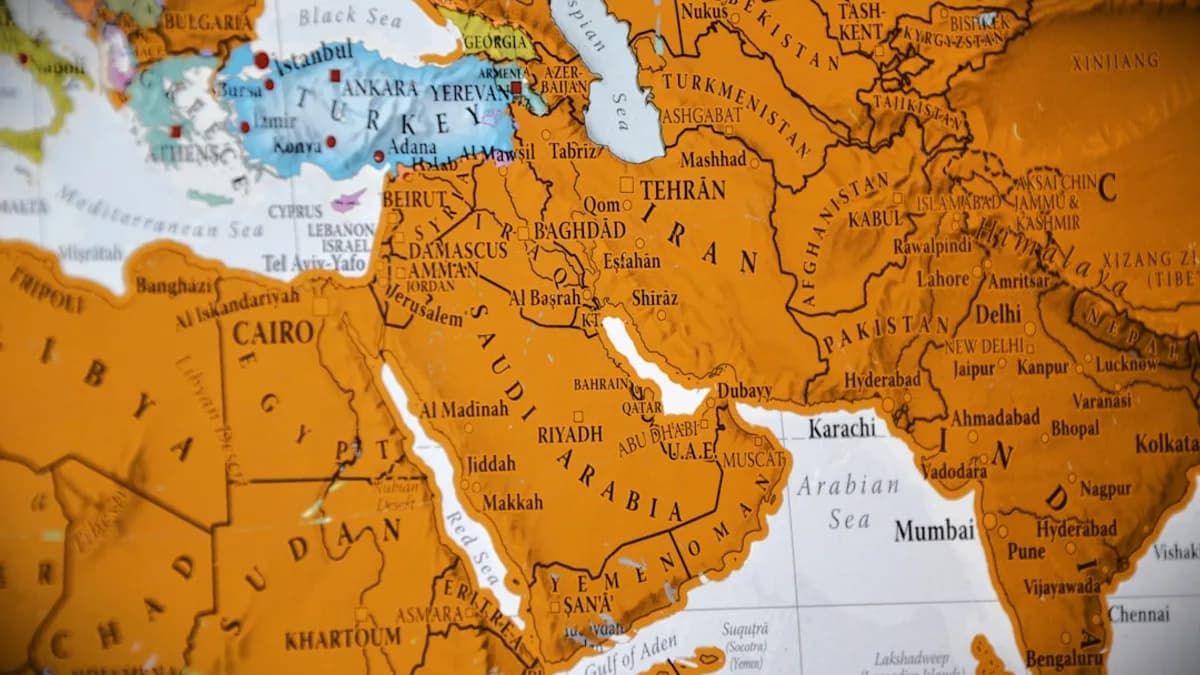
Regional allies are split. Saudi Arabia, anxious to avoid another oil shock, is pressing for restraint, quietly engaging Iran through Omani intermediaries. Riyadh’s calculus is economic: the kingdom’s Vision 2030 hinges on market stability, and another spike could derail reforms. Israel, in contrast, is bracing for escalation. The IDF has shifted assets north, anticipating Hezbollah raids and Iranian missile launches. Gulf states like the UAE and Qatar are hedging bets, backing diplomatic mediation but quietly expanding military readiness.
Global powers aren’t merely spectators. Russia sees opportunity—any instability in the Gulf boosts its own energy exports and chips away at US dominance. Moscow has increased intelligence sharing with Tehran, and Russian naval presence in the region is up 30% since 2022. China, meanwhile, is walking a tightrope. Beijing depends on Gulf oil but wants to avoid US entanglements; it has pushed for de-escalation, offering to mediate but declining to commit forces or economic penalties.
The evidence points to a fragmented response: the US and Israel are preparing for escalation, Saudi Arabia and Gulf states are scrambling for stability, and Russia and China are maneuvering to exploit the chaos.
Historical Parallels: Comparing Iran’s Current Posture to Past Regional Crises
Iran’s warnings aren’t unprecedented, but the context makes this one more potent. In 2019, after the US withdrew from the JCPOA and targeted Iran’s oil exports, the IRGC warned of “severe consequences.” Within weeks, tankers were sabotaged and oil markets convulsed. The US responded with targeted strikes, but a full-scale conflict was avoided — both sides blinked when faced with escalation that threatened global trade.
Earlier, during the 2006 Lebanon War, Iran used similar warnings to signal support for Hezbollah. The outcome was drawn-out conflict, but Tehran’s posture forced Israel and the US to recalibrate strategies, ultimately leading to a stalemate. The lesson: IRGC threats aren’t idle, but they are calibrated to avoid outright war unless Tehran feels cornered.
Compare this to now: Iran is backed by a network of proxies with more advanced weaponry and less restraint. The Houthis’ Red Sea attacks, for example, have disrupted $10 billion in global shipping in six months—something Iran could only dream of in past decades. US sanctions are tighter, but regional instability is giving Tehran more room to maneuver.
History suggests Iran’s warnings are followed by limited but high-impact actions—enough to shake markets and force negotiations, but rarely enough to trigger full-scale war. The outcome depends on whether adversaries call Tehran’s bluff, or whether both sides retreat before crossing the threshold.
What Iran’s Escalating Threat Means for Global Energy Security and Geopolitical Alliances
Energy security is already fraying. If Iran moves beyond rhetoric—say, by targeting tankers or oil infrastructure—supplies could be choked overnight. The International Energy Agency estimates even a partial closure of Hormuz would cut global oil flows by up to 25%, sending prices above $120/barrel. European economies, still reeling from the fallout of Russia’s Ukraine invasion, are particularly vulnerable. The US Strategic Petroleum Reserve, at its lowest level since 1983 (347 million barrels as of May), offers little cushion.
Geopolitical alliances are shifting in response. Israel and Gulf states, once bitter rivals, are increasingly aligned on containing Iran, with intelligence cooperation and joint military drills ramping up. Saudi Arabia and Iran’s recent détente is already showing cracks—Riyadh is recalibrating ties as Tehran grows more assertive. Russia and China are exploiting the upheaval, using energy leverage and diplomatic mediation to expand their influence in the region.
Military escalation remains the wild card. If the US or Israel retaliate, Iran could activate proxies across Lebanon, Yemen, Iraq, and Syria, triggering a regional conflict that would swamp global supply chains and redraw alliances. The risk isn’t just to energy markets—it’s to the entire post-Cold War global order, as new blocs form around economic and security interests.
Predicting the Future: Scenarios for US-Iran Relations and Regional Stability in the Coming Months
Diplomatic breakthroughs look remote. The US election cycle will limit Washington’s flexibility, while Iran’s leadership faces domestic pressure to appear strong. Expect more tit-for-tat strikes—drone attacks, cyber operations, and proxy skirmishes—rather than full-scale war. Oil prices will remain volatile, with $90-$110/barrel swings likely as traders react to every headline.
Escalation is more probable than de-escalation. Iran’s “narrowing window” rhetoric signals a willingness to act if demands aren’t met. The main indicators to watch: attacks on Gulf shipping lanes, missile launches against Israel, and movement of US naval assets. If Iran crosses the threshold—say, by closing Hormuz or targeting US bases—expect coordinated responses from the US, Israel, and Gulf states, but also opportunistic moves from Russia and China.
One plausible scenario: Iran orchestrates a high-impact but limited attack, such as disabling a major tanker route, forcing global leaders to the negotiating table. Alternatively, a miscalculation triggers wider conflict, sending oil and gold prices surging and dragging major powers into a regional war.
Smart money is betting on volatility. Energy hedges, gold, and defensive equities will outperform as uncertainty grows. Watch for secret diplomacy—Oman and Qatar have a track record of brokering backroom deals—and keep an eye on Russian and Chinese moves to fill any US leadership vacuum. The next six months will test not just markets, but the architecture of global alliances.
Impact Analysis
- Iran’s IRGC warning signals escalating tensions that could destabilize the Middle East.
- The threat has already triggered a notable jump in global oil prices, affecting energy markets worldwide.
- A shifting power balance may prompt new military or diplomatic responses from the US and its allies.