Introduction: Rising Tensions in the Strait of Hormuz
The Strait of Hormuz, a narrow waterway connecting the Persian Gulf to the Arabian Sea, has once again become the focal point of international concern following reports that Iran fired upon multiple ships traversing its waters. The incidents, confirmed by several shipping sources and media outlets, coincide with Tehran’s move to reimpose restrictions on maritime traffic in the strait—a critical chokepoint responsible for the passage of nearly one-fifth of global oil shipments [Source: Source]. This escalation marks a notable shift in Iran’s approach to maritime security, raising alarms among shipping companies, oil traders, and governments worldwide. The reassertion of control by Iranian authorities, particularly amidst the backdrop of heightened regional tensions and economic sanctions, signals potential disruptions to international trade and energy markets.
Details of the Recent Incidents
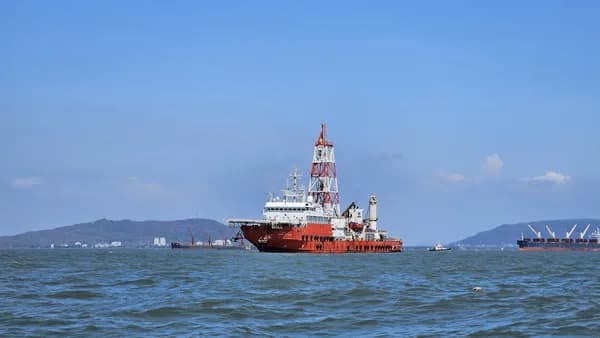
According to reports from NBC News and Reuters, two Indian merchant vessels came under fire as they attempted to navigate the Strait of Hormuz. Crew members aboard the ships described the attacks as “sudden” and “unexpected,” with gunfire reportedly originating from Iranian patrol boats enforcing new restrictions in the area [Source: Source]. Shipping sources noted that several other commercial vessels encountered similar threats, with some reporting minor damages but no confirmed casualties as of this writing. The targeted ships were en route to ports in the United Arab Emirates and Saudi Arabia, carrying essential cargo ranging from refined petroleum to manufactured goods.
Company representatives for the affected Indian vessels expressed deep concern over the safety of their crews and the integrity of their shipments. “We are closely monitoring the situation and coordinating with authorities to ensure the wellbeing of our personnel,” one spokesperson said. Maritime safety alerts issued in the aftermath have advised vessels to avoid the strait or to exercise extreme caution when navigating its waters. The attacks have prompted a rapid response from international shipping insurers, who are now reassessing risk premiums for transit through the region.
The incidents have disrupted routine commercial operations, with several ships opting to reroute or delay their journeys until the situation stabilizes. The International Maritime Organization (IMO) has issued a provisional advisory urging enhanced vigilance, while port authorities in the Gulf states have stepped up security protocols for incoming vessels [Source: Source].
Iran’s Strategic Motives and Political Context
Iran’s decision to reassert control over the Strait of Hormuz and impose fresh restrictions is widely viewed as a calculated move amid mounting domestic and international pressures. Analysts point to the influence of hard-line factions within Tehran, who have advocated for a more aggressive posture in response to perceived threats from Western nations and regional adversaries [Source: Source]. The firing upon foreign vessels serves as both a demonstration of Iran’s capability to disrupt global shipping and a warning to countries supporting sanctions or military operations in the region.
This escalation coincides with renewed efforts by Iran’s hardliners to consolidate power, particularly following recent political shifts within the country’s leadership. The move also reflects broader regional power dynamics, with Iran seeking to assert its dominance over the Persian Gulf and challenge the presence of US and allied naval forces. The Strait of Hormuz has long been a flashpoint for geopolitical tension, and Tehran’s actions appear aimed at leveraging its strategic position to gain concessions in ongoing negotiations over nuclear and economic issues.
From a geopolitical perspective, the timing of these incidents is significant. Increased restrictions and aggressive enforcement come as Iran faces tightening sanctions that have impacted its economy and oil exports. By demonstrating that it can threaten global energy supplies, Iran is sending a message to the international community: the cost of continued isolation and pressure may be felt far beyond its borders. This tactic, while risky, has historically been used by Tehran to draw attention to its demands and to rally domestic support in the face of external challenges.
Iranian officials have justified the restrictions as necessary for national security and the protection of their territorial waters. However, critics argue that such actions undermine international maritime law and risk triggering broader conflict. The involvement of hard-line groups in shaping this policy suggests a deliberate strategy to escalate tensions, potentially prompting retaliatory measures from affected countries and their allies [Source: Source].
International Reactions and Implications for Global Trade
The attacks on Indian vessels have elicited swift responses from the Indian government, which has condemned the actions as “unacceptable” and called for immediate assurances regarding the safety of its ships and citizens [Source: Source]. Diplomatic channels have been activated, with India seeking clarification from Iranian authorities and urging de-escalation. Other countries whose vessels routinely traverse the Strait of Hormuz have also raised concerns, with European maritime authorities reiterating the need for open and secure passage in accordance with international law.
The IMO and regional maritime organizations have convened emergency sessions to address the deteriorating security situation. Shipping companies are now evaluating alternative routes, though options remain limited given the strategic importance of the strait. Oil prices have responded to the uncertainty, with futures experiencing a spike amid fears of supply disruptions. Market analysts warn that prolonged instability in the Strait of Hormuz could lead to sustained increases in oil prices and volatility in global energy markets [Source: Source].
Insurers have reacted by hiking premiums for ships operating in the region, citing elevated risks of attack or detention. Some operators are considering suspending services or rerouting vessels, potentially impacting the delivery of goods to and from Gulf states. The ripple effects of these disruptions are likely to be felt across supply chains, with businesses bracing for delays and increased costs.
Historical Context: Previous Incidents in the Strait of Hormuz
The Strait of Hormuz has a long history of confrontations involving Iran and foreign vessels. Notable incidents include the 2019 seizure of British and other Western tankers, and the frequent harassment of commercial ships by Iranian Revolutionary Guard vessels during periods of heightened tension [Source: Source]. These events have often coincided with spikes in regional instability, driven by disputes over Iran’s nuclear program, sanctions, and military deployments.
Compared to previous incidents, the current escalation appears more aggressive, with direct gunfire reported against multiple vessels and the imposition of broad restrictions on maritime passage. The scale and intensity of Iran’s actions reflect a shift toward more confrontational tactics, likely aimed at reinforcing its strategic leverage. Past episodes have prompted coordinated international responses, including increased naval patrols and diplomatic efforts to de-escalate tensions.
Lessons learned from prior confrontations emphasize the importance of maintaining open channels of communication and upholding international maritime law. The swift mobilization of regional and global stakeholders in response to the latest incidents suggests that these lessons are informing current strategies to mitigate risks and prevent further escalation [Source: Source].
Conclusion: Outlook and Potential Developments
The situation in the Strait of Hormuz remains fluid, with immediate risks to maritime security and global trade. Iran’s firing on merchant vessels and renewed restrictions have heightened tensions and introduced new uncertainties for shipping operators, oil traders, and governments. While diplomatic engagement is underway, the possibility of further escalation cannot be ruled out, particularly if hard-line factions within Tehran continue to advocate for aggressive enforcement.
Stakeholders in global trade and security will need to closely monitor developments, balancing the need for safe passage with the imperative to avoid provoking further conflict. The coming days are likely to see intensified diplomatic activity, with calls for restraint and adherence to international law. The importance of the Strait of Hormuz as a vital artery for world commerce underscores the need for sustained vigilance and cooperation among all parties involved [Source: Source].