Introduction: Understanding the Strategic Importance of the Strait of Hormuz
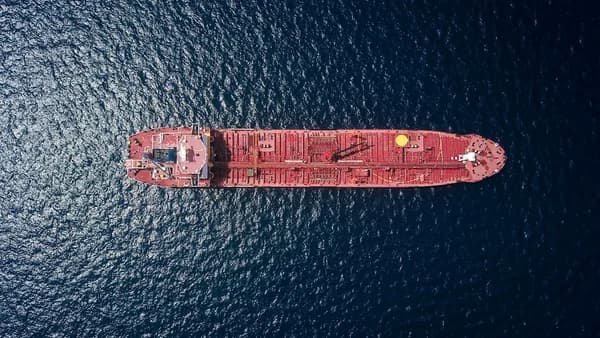
The Strait of Hormuz, a narrow waterway connecting the Persian Gulf to the Arabian Sea, is among the world’s most critical maritime chokepoints. Approximately one-third of global seaborne oil shipments—and significant volumes of liquefied natural gas—pass through this strait daily, making it a linchpin for international energy supplies and trade [Source: Source]. Recently, Iran has closed the Strait once again, with reports of two ships coming under attack as they attempted to cross. These incidents have raised alarms not only for shipping companies but also for global markets and governments, underscoring the vulnerability of supply chains to regional tensions.
Such closures reverberate far beyond the immediate area: disruptions in the Strait of Hormuz can spike oil prices, unsettle financial markets, and strain diplomatic relations. As parties remain far from a final peace deal and the ceasefire nears expiration, the risk of escalation persists [Source: Source]. Understanding how to navigate these challenges—whether you’re a shipping operator, supply chain manager, or policy maker—has never been more vital.
How to Monitor and Assess Risks When Navigating the Strait of Hormuz
Timely, reliable information is essential for anyone operating in or near the Strait of Hormuz. Shipping companies, insurers, and logistics providers must tap into authoritative sources for real-time updates. The International Maritime Organization (IMO), local maritime authorities, and specialized news outlets such as The Washington Post, Reuters, and AP News offer up-to-the-minute coverage on closures, attacks, and geopolitical shifts [Source: Source]. Additionally, maritime security advisories from organizations like the United Kingdom Maritime Trade Operations (UKMTO) and the U.S. Navy’s Fifth Fleet provide actionable intelligence specific to commercial vessels.
Interpreting geopolitical signals is equally important. Statements from Iranian officials, coalition naval forces, and regional governments can hint at escalating or de-escalating tensions. For example, increased military deployments or warnings about imminent closure often precede direct action. Monitoring open-source intelligence platforms and diplomatic announcements helps anticipate risks before they materialize.
Maritime insurance considerations should not be overlooked. Insurers often issue “war risk” advisories or adjust premiums based on the threat level. Ship operators must review policy terms, ensure coverage for conflict-related damages, and understand any exclusions. Regularly consulting risk assessment tools and maritime incident trackers, such as Lloyd’s List or the International Chamber of Shipping, can further inform operational decisions.
Ultimately, robust risk monitoring combines real-time data, geopolitical analysis, and insurance consultation. This multi-layered approach enables companies to make informed decisions about whether—and how—to transit the Strait of Hormuz when tensions run high.
How to Prepare Vessels and Crews for Transit Through High-Risk Areas Like the Strait of Hormuz
Preparation is paramount for vessels planning to navigate conflict-prone waters. Security protocols must be rigorous and tailored to the unique threats present in the Strait of Hormuz, including potential missile attacks, boarding attempts, and electronic interference [Source: Source]. Key defensive measures include:
- Physical Hardening: Reinforce access points, install ballistic shielding where feasible, and secure sensitive areas like the bridge and engine room.
- Surveillance and Detection: Employ radar, CCTV, and infrared sensors to detect suspicious activity at a distance. Maintain constant watch and conduct regular security drills.
- Crew Training: All personnel should receive specialized training for emergency scenarios, including piracy, armed attack, and evacuation. Drills should cover lockdown procedures, fire response, and medical emergencies. Psychological preparedness is also vital, as extended operations in tense environments can cause stress and fatigue.
Communication strategies are central to safe transit. Vessels should maintain regular contact with naval forces patrolling the region, such as coalition task forces or Gulf Cooperation Council (GCC) navies. Registering transit plans with authorities like UKMTO ensures that ships are tracked and can quickly summon assistance if threatened. Satellite phones, encrypted messaging apps, and backup communication systems help maintain connectivity even if primary channels are disabled.
Emergency preparedness extends beyond the crew. Shipping companies should develop crisis response plans, establish clear lines of authority, and pre-position resources for search and rescue, medical evacuation, or legal support. Coordination with local agents and port authorities ensures smooth operations at both ends of the transit.
In sum, a layered security approach—combining physical, operational, and communication protocols—significantly enhances resilience when crossing the Strait of Hormuz amid ongoing conflict.
How to Navigate Alternative Routes and Mitigate Supply Chain Disruptions
When the Strait of Hormuz is closed or deemed too risky, shipping companies must identify viable alternative routes. The most common options include rerouting vessels around the Cape of Good Hope, using the Suez Canal, or leveraging regional pipelines where available. Each alternative comes with its own set of limitations: longer distances, higher fuel costs, increased transit times, and capacity constraints. For instance, bypassing the Strait can add thousands of nautical miles to a journey, complicating delivery schedules and inflating operational costs [Source: Source].
Logistical planning is crucial for minimizing disruption. Supply chain managers should review inventory buffers, adjust delivery timelines, and renegotiate contracts to accommodate potential delays. Advanced simulation tools and route optimization software can help forecast impacts and refine schedules. Collaboration with freight forwarders and port operators ensures that alternative routes are feasible and that vessels have access to necessary services along the way.
Coordination with global supply chain partners—including suppliers, buyers, and insurers—is essential for managing expectations and maintaining transparency. Regular communication helps all parties anticipate delays, adjust production plans, and mitigate financial exposure. Companies should also consider diversifying sourcing and shipping options where possible to reduce dependency on a single chokepoint.
Ultimately, proactive route planning and supply chain management are key to sustaining operations when the Strait of Hormuz is blocked or threatened.
How to Engage with International Stakeholders and Leverage Diplomatic Channels
Ensuring safe passage through the Strait of Hormuz—and advocating for de-escalation—requires engagement with a broad spectrum of international stakeholders. Organizations such as the United Nations International Maritime Organization (IMO), European Union Naval Force, and regional coalitions play a pivotal role in coordinating maritime security operations and facilitating dialogue among affected parties [Source: Source].
Shipping companies and governments can leverage these platforms to advocate for conflict resolution and improved safety measures. Participation in industry forums, submission of risk assessments, and direct engagement with diplomatic missions help raise awareness of operational challenges and encourage collective action. Governments can also use diplomatic channels to negotiate ceasefires, establish safe corridors, or broker temporary transit agreements.
Staying informed about peace talks, ceasefire developments, and international negotiations is critical. Reliable news outlets, government briefings, and industry bulletins provide regular updates. Shipping stakeholders should designate personnel responsible for monitoring these developments and integrating them into operational planning.
By actively participating in international efforts and maintaining open lines of communication, companies and governments can help shape outcomes and protect their interests amid ongoing tensions in the Strait of Hormuz.
Conclusion: Proactive Strategies for Navigating the Strait of Hormuz Amid Ongoing Tensions
Navigating the Strait of Hormuz during periods of conflict demands a blend of vigilance, adaptability, and strategic foresight. Key steps include robust risk monitoring, comprehensive vessel and crew preparation, flexible route planning, and active engagement with international stakeholders [Source: Source]. In an environment where geopolitical conditions can change rapidly, maintaining situational awareness and updating contingency plans are essential.
Shipping companies, logistics managers, and policymakers must continuously assess the evolving threat landscape, refine operational protocols, and coordinate with partners to mitigate disruptions. By staying attuned to security advisories, diplomatic developments, and alternative options, stakeholders can safeguard their assets and support the resilience of global trade. Ultimately, proactive engagement and preparedness are the best defenses against uncertainty in the Strait of Hormuz and other high-risk maritime corridors.