
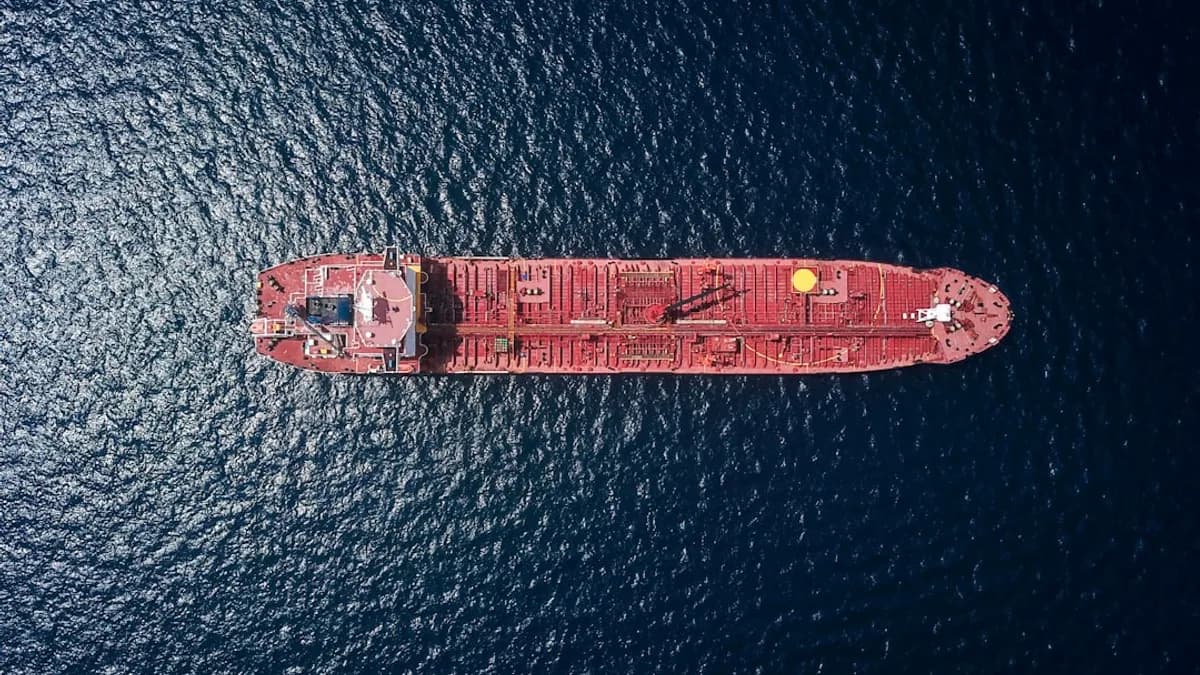
Introduction: Rising Tensions in the Strait of Hormuz
Tensions have flared in the Strait of Hormuz following a series of attacks on commercial vessels, underscoring the region’s strategic vulnerability. Iranian forces reportedly fired on two ships attempting to transit the strait, as Tehran reimposed strict controls over the waterway—one of the world’s most critical chokepoints for oil and trade routes [Source: Source]. The Strait of Hormuz connects the Persian Gulf to global markets and sees the passage of about a fifth of the world’s crude oil. These developments come amid renewed posturing by former US President Donald Trump, who recently claimed “victory” in related geopolitical matters. However, the situation on the ground suggests a far more complex and volatile reality, with direct consequences for global energy security and international diplomacy.
Details of the Attacks on Ships in the Strait of Hormuz
Recent days have seen alarming incidents involving Iranian military forces targeting ships in the Strait of Hormuz. According to reports, Iran’s armed forces fired upon two vessels, preventing them from transiting the narrow passage that serves as a gateway for oil tankers and merchant ships [Source: Source]. The identities of the vessels have not been publicly disclosed, but Indian authorities have confirmed that one of the affected ships was flying an Indian flag, prompting an official protest from New Delhi [Source: Source].
India’s Ministry of External Affairs issued a statement condemning the attack and demanding assurances for the safety of its commercial fleet in the region [Source: Source]. Maritime authorities have responded by heightening security alerts, advising ship operators to exercise extreme caution when navigating the Strait.
The attacks have disrupted routine shipping operations, with several vessels rerouting to avoid conflict zones. Insurance premiums for ships transiting the area have surged, reflecting market anxiety over potential escalation. The International Maritime Organization (IMO) has urged restraint and called for all parties to respect international law governing free passage through the strait.
Iran’s actions have drawn swift rebukes from other nations whose commercial interests are at risk. The United States, while not directly involved in these particular incidents, has reiterated its commitment to ensuring the freedom of navigation in international waters. European Union leaders have also expressed concern, warning that continued hostilities could jeopardize global energy supplies and further destabilize the region.
Shipping companies and industry analysts are closely monitoring the situation, as any prolonged disruption could have significant ramifications for oil prices and supply chains worldwide. The attacks mark a dangerous escalation in a region long plagued by political and military tensions.
Iran’s Strategic Moves and Regional Implications
Iran’s renewed restrictions in the Strait of Hormuz reflect a deliberate strategy to assert control over the waterway as a lever in broader regional negotiations. Tehran’s military posture is aimed at deterring perceived threats and signaling its capability to disrupt global commerce at will [Source: Source]. By targeting international vessels, Iran is sending a message to regional adversaries and world powers alike: its influence in the Persian Gulf remains formidable.
The timing of these restrictions coincides with ongoing diplomatic efforts to revive the 2015 nuclear deal and growing tensions with Western governments. Iran’s leadership has framed the move as a response to “provocations” from foreign military deployments in the Gulf, arguing that the country must defend its sovereignty against external interference [Source: Source].
Regional powers such as Saudi Arabia and the United Arab Emirates have condemned Iran’s actions, viewing them as destabilizing and counterproductive. Meanwhile, Russia and China have adopted a more conciliatory tone, calling for de-escalation and dialogue. The US, for its part, faces renewed pressure to protect its allies and commercial interests without triggering a wider conflict.
The broader implications for energy markets are substantial. Even brief disruptions in the Strait of Hormuz can send oil prices soaring, with ripple effects across the global economy. The current situation raises the specter of longer-term volatility, especially if Iran maintains its hardline approach or if further attacks occur.
Diplomatic channels remain open, but the risk of miscalculation is high. Observers warn that any escalation could quickly spiral into a regional crisis, drawing in military assets from multiple countries and imperiling civilian shipping. The episode underscores the enduring importance of the Strait of Hormuz as both an economic lifeline and a geopolitical flashpoint.
Political Context: Trump’s ‘Victory’ Claims and Reality on the Ground
Former President Donald Trump has recently claimed “victory” in matters related to US-Iran relations and regional stability, asserting that his administration’s policies led to a safer, more secure Middle East. These statements have been widely circulated in the media, with Trump touting supposed successes in deterring Iranian aggression and protecting American interests [Source: Source].
However, the ongoing escalation in the Strait of Hormuz stands in stark contrast to these claims. The attacks on commercial vessels and renewed Iranian restrictions highlight persistent volatility and unresolved tensions in the region. Critics argue that Trump’s rhetoric oversimplifies the complex interplay of security, diplomacy, and economic interests at stake.
US foreign policy remains challenged by Iran’s willingness to test international norms and assert its presence in the Persian Gulf. The Biden administration now faces the task of navigating these dangers while maintaining credibility among allies and partners. The gap between political messaging and developments on the ground serves as a reminder of the limitations of unilateral declarations and the need for coordinated, multilateral strategies.
As the situation unfolds, the credibility of US commitments to maritime security and regional stability will be closely scrutinized. The episode may also influence ongoing negotiations with Iran, complicating efforts to reach a lasting diplomatic solution.
Historical Context: Past Conflicts and Casualties in the Region
The Strait of Hormuz has long been a theater for conflict and geopolitical maneuvering. Over the past decades, Iran and its neighbors have clashed repeatedly over control of the waterway, with significant human and economic costs. According to recent reports, more than 3,400 Iranians have been killed in past wars and skirmishes in the region [Source: Source].
These historical tensions shape current events, informing Iran’s actions and the responses of other powers. The memory of past casualties and disruptions underscores the urgency of preventing further escalation. The strategic importance of the strait—both as a conduit for global energy supplies and as a symbol of regional sovereignty—ensures that every incident carries outsized consequences.
Diplomatic efforts have periodically succeeded in de-escalating crises, but the underlying rivalries remain unresolved. The current standoff reflects a continuation of the patterns established in previous conflicts, with both sides leveraging military force and economic pressure to advance their interests.
Conclusion: Outlook and Potential Developments
The situation in the Strait of Hormuz remains tense and unpredictable. Recent attacks on commercial vessels, coupled with Iran’s renewed restrictions, pose immediate risks to maritime security and global energy markets. While diplomatic channels are still open, the potential for escalation is high, especially as regional and global powers weigh their responses.
Possible scenarios include further attacks, increased military deployments, or a negotiated de-escalation. The importance of international diplomatic efforts cannot be overstated; resolving tensions will require sustained engagement and mutual concessions. Observers will be watching closely in the coming days for signs of either increased hostilities or progress toward a peaceful resolution.
In the meantime, the Strait of Hormuz continues to serve as a reminder of the fragility of global trade routes and the enduring challenge of balancing security, sovereignty, and economic interests in one of the world’s most strategically vital regions [Source: Source].