Introduction: Rising Tensions in the Strait of Hormuz
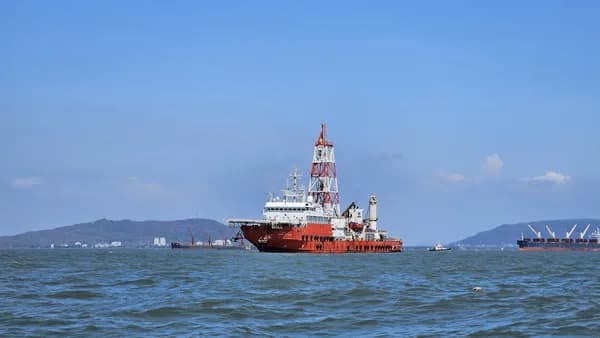
The Strait of Hormuz, a vital chokepoint for global energy shipments, is once again at the center of escalating tensions. Iran’s navy has declared the strait closed to maritime traffic, and reports have emerged of gunfire directed at two commercial vessels operating in the area. These incidents prompted immediate reactions from shipping companies and governments, with ships turning back and heightened concerns about safety and security in the region [Source: Source]. The Strait of Hormuz’s strategic importance cannot be overstated; disruptions here reverberate through global markets and threaten energy supplies worldwide. As tensions rise, the world is closely watching both Iran’s actions and the international response.
Background: Geopolitical Importance of the Strait of Hormuz
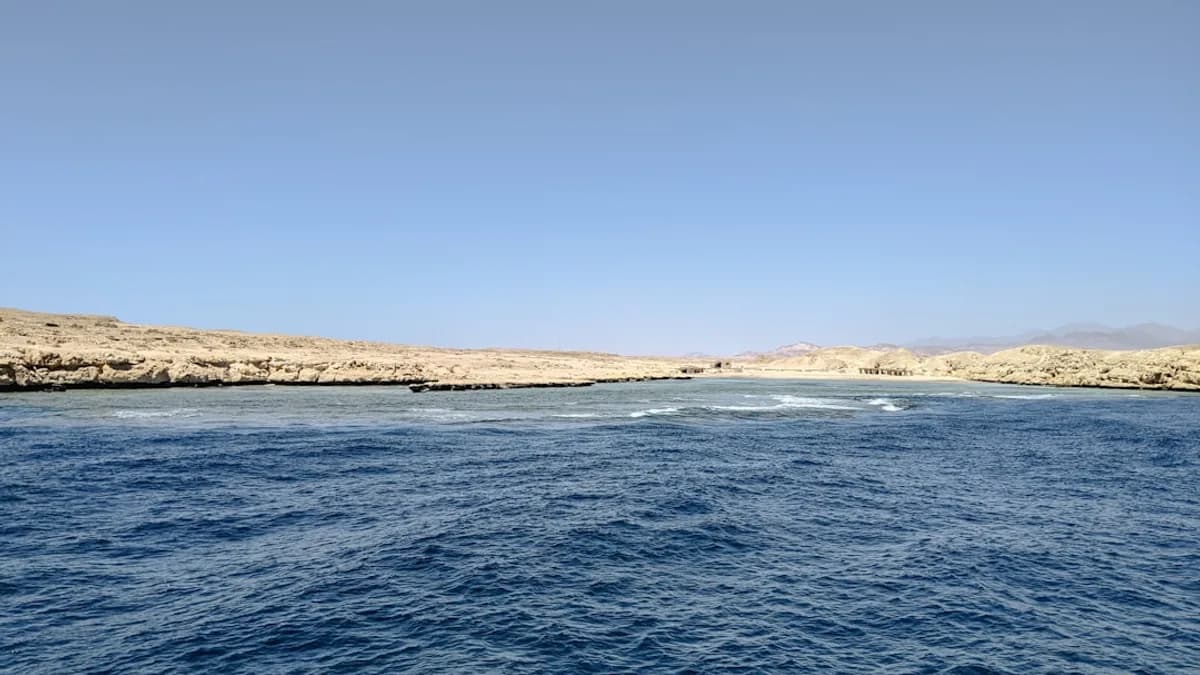
The Strait of Hormuz forms a narrow passage connecting the Persian Gulf to the Gulf of Oman and the wider Arabian Sea. At its narrowest, the strait is less than 40 kilometers wide, yet it carries a disproportionate share of global energy trade. Nearly one-fifth of the world’s daily oil consumption—around 21 million barrels—transits through this waterway, along with significant volumes of liquefied natural gas and other commodities [Source: Source]. The economic stakes are immense for both exporting and importing nations, making the strait a flashpoint for regional and global security.
Historically, the Strait of Hormuz has seen periodic threats and closures, often tied to broader geopolitical tensions. Iran has repeatedly used the threat of closure as leverage in disputes with the US and its Gulf neighbors, particularly during periods of sanctions or heightened military activity. Past incidents, such as the "Tanker War" during the Iran-Iraq conflict in the 1980s, or more recent naval confrontations, underscore the persistent volatility of the region. The strait’s significance ensures that any disruption—real or threatened—quickly draws international attention and concern.
Recent Developments: Details of the Latest Incidents
On June 13, Iran’s navy announced that the Strait of Hormuz was closed to commercial shipping, issuing warnings to vessels in the area [Source: Source]. Shortly after, two ships reportedly came under gunfire, with one tanker said to have been hit by Iranian gunboats. These incidents triggered immediate responses: several vessels turned back or altered their routes, and ship-tracking data indicated a noticeable drop in traffic through the strait following the reports [Source: Source].
Maritime authorities and shipping companies moved swiftly to assess the risks, with some temporarily suspending operations or rerouting vessels. The affected ships’ crews reported the gunfire to both company headquarters and international maritime safety organizations. Nations whose flagged vessels were involved demanded clarification and heightened security measures. The US and Gulf states condemned the actions, calling for freedom of navigation and warning of potential consequences if the strait remains closed. The situation remains fluid, with ongoing monitoring and diplomatic efforts to de-escalate.
Analysis: Motivations Behind Iran’s Actions
Iran’s decision to reimpose restrictions and take an aggressive naval posture in the Strait of Hormuz appears to be driven by a combination of strategic and domestic factors. By closing the strait and targeting vessels, Iran signals its ability to disrupt global energy flows—a powerful bargaining chip in negotiations with Western powers, particularly as sanctions tighten and diplomatic talks stall [Source: Source].
Domestically, the Iranian leadership faces pressure to demonstrate strength amid economic challenges and internal unrest. Naval actions in the Strait of Hormuz serve to rally national sentiment and project power, both to domestic audiences and regional adversaries. The timing of these incidents, coinciding with international discussions over Iran’s nuclear program and broader regional security issues, suggests a calculated effort to assert influence.
Regional dynamics also play a role. Iran’s relationships with Gulf neighbors are fraught, with ongoing rivalries over territory, sectarian divides, and alliances with global powers. By flexing its naval muscle, Iran seeks to remind both the US and Gulf states of its capacity to shape outcomes in the region. This posture risks escalation but may also be intended as a negotiating tactic, forcing adversaries to engage diplomatically or risk wider conflict.
Implications for Global Energy Markets and Security
The closure of the Strait of Hormuz and reports of gunfire have immediate and far-reaching implications for global energy markets. Oil prices tend to spike in response to perceived threats to supply, reflecting the market’s sensitivity to shocks in this strategic corridor. Already, traders and analysts are bracing for increased volatility, with some forecasting significant price jumps if disruptions persist [Source: Source].
Shipping insurance rates are likely to rise, as insurers reassess the risks posed by naval actions and the potential for broader conflict. Maritime security measures may be stepped up, including the deployment of naval escorts and enhanced surveillance. Some shipping companies may reroute vessels, though alternatives are limited, and the cost implications are substantial.
Beyond immediate market reactions, the broader consequences for global trade and energy security are significant. The Strait of Hormuz functions as a critical artery for economies worldwide; prolonged disruption could trigger supply shortages, impact industrial production, and strain diplomatic relations. The incidents underscore the vulnerability of global supply chains to regional instability, reinforcing calls for greater diversification and contingency planning.
International Responses and Future Outlook
The United States and Gulf states have responded swiftly to Iran’s actions, condemning the closure of the strait and demanding the restoration of free passage [Source: Source]. Diplomatic channels are active, with calls for emergency meetings among maritime organizations and United Nations bodies. Some nations have hinted at possible military responses, including increased naval patrols and joint exercises to deter further aggression.
International maritime organizations, such as the International Maritime Organization (IMO), are coordinating with member states to monitor developments and issue advisories to ship operators. The prospect of a multinational effort to secure the strait is being discussed, though the risk of escalation remains high if military assets are deployed in force.
Looking ahead, the outlook for the Strait of Hormuz is uncertain. While diplomatic efforts may succeed in de-escalating tensions, the pattern of periodic closures and confrontations suggests that volatility will persist. The balance between deterrence and engagement will be critical; both sides must weigh the costs of conflict against the benefits of negotiation. The world will be watching for signs of compromise—or further escalation—in the days and weeks to come.
Conclusion: Navigating Uncertainty in a Volatile Region
The latest incidents in the Strait of Hormuz highlight the enduring strategic stakes in one of the world’s most critical maritime corridors. Iran’s actions underscore its capacity to influence global energy flows and challenge international norms, while the swift response from affected nations reflects the urgency of maintaining maritime security. As tensions simmer, the importance of international cooperation and clear communication cannot be overstated. The outlook for stability in the region hinges on diplomatic engagement and effective crisis management. In a volatile environment, the world must remain vigilant, ready to navigate uncertainty and safeguard the free flow of commerce through the Strait of Hormuz [Source: Source].