How Israel-Iran Tensions Threaten to Disrupt Global Energy Supply Chains
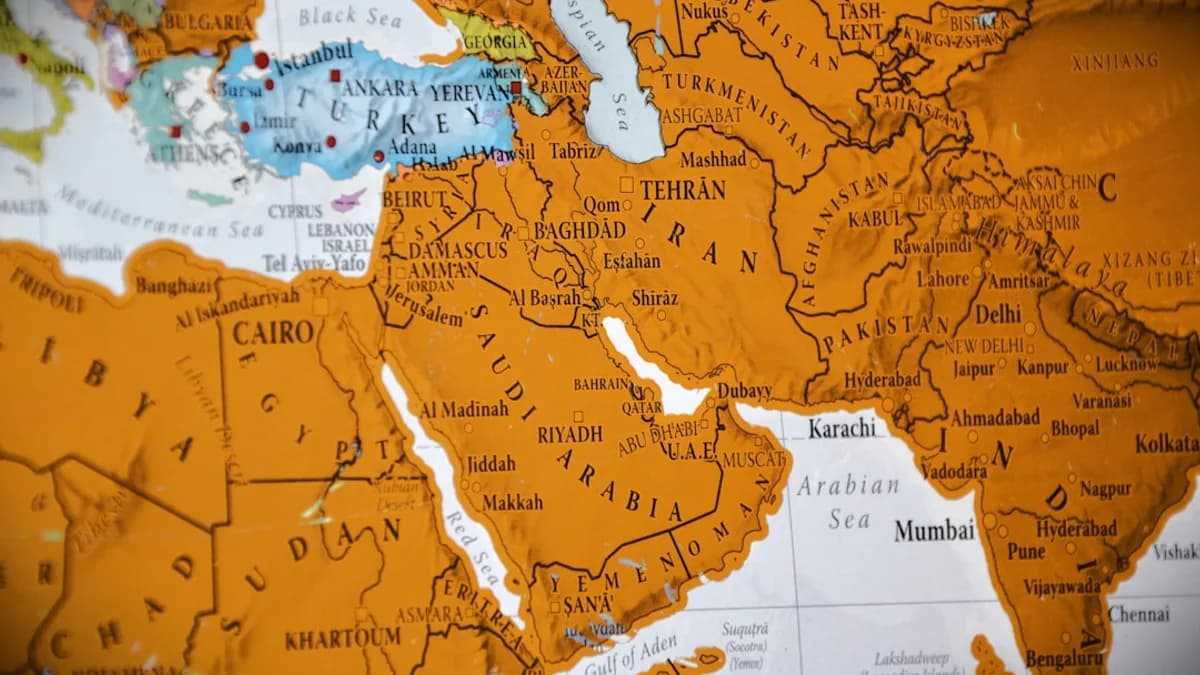
A sudden closure of Iran’s airspace would send shockwaves through global energy logistics, rerouting oil tankers and commercial aircraft and sparking immediate market volatility. The latest escalation between Israel and Iran isn’t just saber-rattling; it’s a direct threat to the arteries that pump crude oil from the Persian Gulf to the world’s refineries. Iran’s geographic position, sandwiched between the Gulf and South Asia, makes its airspace and territory a linchpin for energy transit — both for physical pipelines and for air routes used by oil and gas executives, traders, and cargo shipments.
According to CryptoBriefing, the current escalation centers on attacks targeting energy infrastructure and threats to restrict airspace access. If Iran follows through, global carriers would be forced to detour thousands of miles, increasing flight times by up to three hours for routes between Europe and Asia. More critically, crude oil shipments passing through the Strait of Hormuz — around 21 million barrels per day, nearly a fifth of global consumption — could face new risks if airspace tensions spill over into maritime disruptions.
The immediate consequence: a spike in energy shipping insurance, bottlenecks at key transport chokepoints, and a scramble by energy traders to hedge against price swings. This isn’t a theoretical risk. The last time Iran threatened to block airspace and maritime routes, oil prices soared within hours, and supply chains scrambled to adapt. With both sides now threatening further escalation, the energy markets are bracing for a scenario where the world’s most critical supply chain faces unprecedented disruption.
Quantifying the Impact: Data on Oil Prices and Air Traffic Amid Rising Middle East Instability
Crude oil prices have already responded. Brent futures climbed from $84 to $89 per barrel in the past two weeks, a 6% jump that traders directly attribute to Middle East instability. That’s not just noise — the volatility index (OVX) for oil options surged 25% since the start of April, underscoring heightened hedging activity and anxiety over supply disruptions.
Air traffic data is equally telling. Over 800 commercial flights cross Iranian airspace daily, including high-frequency cargo routes connecting Europe to India, China, and Southeast Asia. A closure would reroute traffic through Turkey, the Caucasus, or the Arabian Peninsula, increasing fuel costs and flight durations. For instance, Singapore Airlines and Lufthansa estimate detours could add up to $50,000 in operational costs per flight, with knock-on effects for passenger fares and freight charges.
Historical precedent offers a sobering reminder. During the Gulf War of 1990-91, oil prices spiked 70% in six months, as airspace restrictions forced rerouting and the threat to the Strait of Hormuz triggered panic buying. In 2019, drone attacks on Saudi oil facilities briefly cut global supply by 5%, and Brent prices leapt 14% overnight. In both cases, the market corrected within weeks, but only after governments intervened and insurance premiums soared. Today’s Israel-Iran standoff has the potential to replay those disruptions, but with even less predictability and more severe consequences for global supply chains.
Diverse Stakeholder Perspectives on the Israel-Iran Energy Conflict and Airspace Closure Risks
Iranian officials argue that controlling airspace is a sovereign right, especially amid threats to their energy infrastructure. Tehran insists any closure would be defensive, not aggressive, and points to repeated Israeli incursions and sabotage attempts. Israeli leaders, meanwhile, frame the conflict as a struggle for regional stability, accusing Iran of weaponizing energy and transport routes to pressure Western economies and allies.
Global energy majors — BP, Shell, ExxonMobil — have started contingency planning, quietly shifting some shipments to alternative routes and ramping up security protocols for personnel and assets in the region. Airlines are less sanguine: Emirates and Qatar Airways warn that rerouting will squeeze profit margins and disrupt cargo schedules, especially for high-value shipments like electronics and pharmaceuticals.
International organizations are scrambling for diplomatic solutions. The International Air Transport Association (IATA) calls Iran’s airspace “irreplaceable” for global commerce, urging de-escalation. The UN Security Council has scheduled emergency talks, but regional players like Saudi Arabia and the UAE worry that even a brief closure could destabilize their own energy exports and economic growth. While the EU and US push for restraint, their leverage is limited — the calculus is driven by local actors, not Western diplomats.
Historical Patterns of Middle East Energy Conflicts Informing Today’s Israel-Iran Tensions
Middle East conflicts regularly upend energy flows and airspace access. The Gulf War forced oil tankers to reroute, driving up costs and prompting multinational intervention. The 2011 Arab Spring temporarily cut Libyan oil exports, contributing to a 20% global price spike. During the 2019 Strait of Hormuz crisis, Iran threatened to block both maritime and air routes, sowing panic among shippers and airlines.
The Israel-Iran scenario echoes these past incidents but adds new complexity. Unlike previous conflicts, today’s energy infrastructure is more digitized and interdependent, with real-time trading and just-in-time logistics amplifying the impact of disruptions. The lesson from history is clear: markets react instantly, but supply chain adaptations lag, leaving gaps that speculators exploit and consumers ultimately pay for.
Diplomatic and military strategies now reflect these lessons. Governments stockpile oil reserves, diversify supply routes, and build redundancies into shipping and flight operations. Yet the rise of cyber threats and drone warfare — both prominent in the Israel-Iran conflict — complicates risk management, making it harder to predict and contain disruptions. The current standoff is not just a rerun; it’s a stress test for a more complex, interconnected energy market.
Implications for Global Energy Markets and Airspace Security in an Era of Heightened Middle East Conflict
If tensions persist, global crude oil supply chains would need to recalibrate. European refineries, which source up to 30% of their crude from the Gulf, could face shortages or price spikes. Asian buyers — especially India, China, and Japan — would scramble for alternative suppliers, bidding up prices and straining logistics networks.
Insurance costs for energy shipments and flights through the region have already doubled, with Lloyd’s of London quoting war risk premiums up by 120% since mid-April. Airlines will reroute, but that’s a temporary fix — longer flights mean higher fuel consumption, more emissions, and squeezed schedules. The ripple effects could hit everything from consumer electronics to perishable goods, as freight delays disrupt supply chains.
Energy infrastructure security is now a front-line concern. Pipelines, refineries, and export terminals in Iran and neighboring states are vulnerable to sabotage or cyberattacks, raising the specter of cascading failures. For global energy companies, the risk calculus has shifted: diversification isn’t just good practice, it’s survival. The broader geopolitical fallout could reshape alliances as countries jockey for access to stable energy routes, with Russia, Turkey, and Central Asian states emerging as alternative hubs.
Forecasting the Future: Potential Scenarios and Strategic Responses to the Israel-Iran Energy Dispute
The likeliest scenario is a temporary closure or restriction of Iranian airspace, lasting days or weeks rather than months. Airlines and shippers will reroute, absorb higher costs, and pass them to consumers. Energy firms will accelerate diversification, locking in contracts with non-Gulf suppliers and investing in infrastructure outside the Middle East.
If conflict escalates, expect oil prices to breach $100 per barrel, triggering inflationary pressure across developed and emerging markets. Insurance premiums could triple, and global commerce would slow as freight bottlenecks and flight delays compound. A full-scale closure of Iran’s airspace and maritime routes is unlikely, but not impossible — in that case, the world could see a rerun of 1990-91, with coordinated government intervention and emergency releases from strategic oil reserves.
Governments should ramp up diplomatic engagement, using backchannel talks and economic incentives to prevent escalation. Energy firms need to stress-test their supply chains and expand digital monitoring of assets. Airlines should preemptively secure alternative flight permits, even if costs rise.
Long-term, this conflict will accelerate energy diversification and investment in alternative routes. Europe may look harder at Caspian and North Sea supplies. Asia will hedge with more US and African crude. The Israeli-Iranian standoff won’t just rattle markets — it will redraw the map of global energy security for years to come.
Why It Matters
- A closure of Iran's airspace could disrupt global oil and airline routes, causing significant delays and increased costs.
- Nearly a fifth of the world's oil passes through the region, so any escalation threatens worldwide energy prices and supply chains.
- Previous similar crises have led to immediate spikes in oil prices and market volatility, affecting consumers and economies globally.