Introduction: Rising Tensions in the Strait of Hormuz
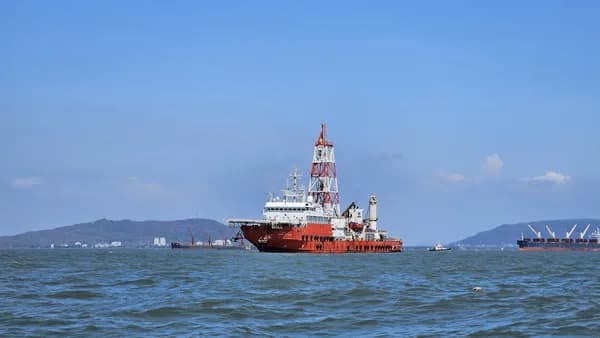
The Strait of Hormuz, a narrow but strategically vital waterway linking the Persian Gulf to the Arabian Sea, is once again at the center of global attention. Recent days have seen a worrying escalation: two Indian merchant vessels reportedly came under fire as they attempted to transit the strait, prompting swift diplomatic action from New Delhi [Source: Source]. The incident follows Iran’s forceful reassertion of its control over this critical corridor, citing security concerns and regional sovereignty. These developments have reignited fears about the stability of one of the world’s most important maritime chokepoints—a passage through which a significant share of global oil and gas exports flow daily. As geopolitical fault lines deepen and regional rivalries intensify, the world is once again reminded of the fragile balance that governs the Strait of Hormuz, and the outsized consequences when that balance is disturbed.
India's Response and Diplomatic Moves
India’s immediate response to the attack was both measured and resolute. The Indian government summoned the Iranian ambassador in New Delhi to lodge a formal protest and demand an explanation for the firing on its commercial vessels [Source: Source]. This move underscores the seriousness with which India views threats to its maritime interests and the safety of its nationals.
Historically, India has depended heavily on the Strait of Hormuz. Over 60% of the country’s crude oil imports pass through these waters, making uninterrupted passage a matter of national energy security. Indian shipping companies, seafarers, and exporters are all stakeholders in the stability of this route. India’s economic growth and its global trade ambitions hinge, in part, on the free movement of goods through the strait.
Yet, India’s relationship with Iran is layered and complex. While New Delhi has longstanding civilizational and economic ties with Tehran, it must also carefully navigate its partnerships with Gulf Arab states, Israel, and the United States—all of whom have fraught relations with Iran. This balancing act has often required delicate diplomacy, especially in times of regional crisis.
In summoning the Iranian envoy, India signaled its unwillingness to accept threats to its shipping interests, but stopped short of escalating tensions with Tehran. Instead, India has sought clarification and assurances, reflecting a preference for dialogue over confrontation. This approach is consistent with India’s broader foreign policy, which emphasizes strategic autonomy and the avoidance of entanglement in regional rivalries. However, with its ships now directly targeted, New Delhi faces mounting pressure to defend its interests more assertively while preserving its broader regional relationships.
Iran's Assertiveness and Regional Power Dynamics
Iran’s recent declaration of “strict control” over the Strait of Hormuz must be understood in the context of its broader regional ambitions and security anxieties. The Islamic Republic has long regarded the strait as both a vital lifeline and a lever of geopolitical influence. Its leadership frequently warns that any threat to Iran’s own oil exports will be met with action that could disrupt the flow of energy to the wider world—a doctrine often described as the “Hormuz card.”
The reported gunfire on merchant vessels, including those flagged to India, appears to be part of Tehran’s ongoing effort to assert its authority over the waterway and signal its resolve to both neighbors and global powers [Source: Source]. In recent years, the region has witnessed a pattern of tit-for-tat maritime incidents, including seizures of tankers and attacks on shipping, often in response to mounting international sanctions and perceived encroachments by Western navies.
Iran’s assertiveness also reflects its desire to project power amidst a challenging domestic and international environment. With economic pressures mounting and internal dissent simmering, hardline elements in Tehran may seek to consolidate their position by demonstrating strength abroad. The Strait of Hormuz, with its high visibility and strategic importance, offers an ideal theater for such displays.
However, this posture is not without risks. The strait is patrolled not only by Iranian forces but also by international coalitions intent on protecting commercial shipping. Any further escalation—intentional or accidental—could quickly spiral into a wider conflict, drawing in regional militaries and potentially disrupting global energy supplies. The pattern is a familiar one: periods of relative calm punctuated by sudden outbursts of violence or brinkmanship, each episode ratcheting up the risk of miscalculation.
For the international community, Iran’s moves are a stark reminder of the persistent volatility in the Gulf. They underscore the urgent need for robust maritime security frameworks and mechanisms for de-escalation. Without them, the risks to both regional stability and the global economy remain uncomfortably high.
Implications for Global Trade and Energy Security
The Strait of Hormuz is not just a regional flashpoint—it is a linchpin of the global energy system. Roughly a fifth of the world’s oil and a significant volume of liquefied natural gas transit these narrow waters every day [Source: Source]. Any disruption, even brief, can send shockwaves through international markets, driving up energy prices and threatening the economic stability of import-dependent nations.
The recent attacks on merchant vessels signal not just a threat to individual countries like India, but to the integrity of global trade itself. Insurance premiums for ships operating in the region are likely to rise, supply chains could face delays, and the specter of energy shortages may loom over countries far from the Gulf. For emerging economies with little margin for price volatility, these risks are particularly acute.
Ensuring the freedom of navigation through the strait is therefore a collective interest. Over the years, multinational naval patrols and ad hoc coalitions have sought to deter threats and reassure commercial operators. Yet, as the latest incident shows, the challenge is ongoing and evolving. The international community must prioritize not only reactive measures but also proactive diplomacy to address the underlying causes of instability.
Without such efforts, the Strait of Hormuz will remain a perennial source of anxiety for global markets—a single incident away from triggering a cascade of economic and security crises.
Opinion: The Need for a Balanced and Strategic Response
The attacks on Indian vessels in the Strait of Hormuz underscore a critical dilemma for India and the wider international community: how to safeguard legitimate maritime interests without unwittingly fueling an escalation that could imperil the very stability they seek to protect.
India’s measured diplomatic response was prudent, but it is only a first step. At stake is not just the safety of Indian shipping, but the principle of freedom of navigation—a cornerstone of international law and global commerce. Any tolerance of targeted aggression sets a dangerous precedent, emboldening state and non-state actors alike.
However, the risks of military escalation are real and sobering. The Gulf’s history is littered with examples of miscalculation spiraling into open conflict, with devastating consequences for regional and global stability. A rush to militarize the strait, or to join one-sided alliances, could backfire—drawing India deeper into disputes that serve neither its strategic interests nor those of the wider world.
The way forward requires a balanced and strategic approach. India should leverage its growing diplomatic clout to press for multilateral mechanisms that enhance maritime security and foster dialogue among regional stakeholders. Quietly, it must also bolster its own naval capabilities and strengthen intelligence-sharing agreements with like-minded partners.
Crucially, India should continue to advocate for solutions rooted in international law and collective security, rather than unilateral actions. This means working with the United Nations, the International Maritime Organization, and regional fora to develop protocols for incident de-escalation and crisis management.
India’s future policy must be guided by pragmatism and principle: defending its interests firmly, but always in pursuit of broader stability. Only through such an approach can it hope to protect its shipping, ensure the flow of vital energy supplies, and contribute to lasting peace in one of the world’s most volatile maritime theaters.
Conclusion: Navigating a Complex Geopolitical Landscape
The shooting incident in the Strait of Hormuz is a stark reminder of the enduring volatility that defines this crucial maritime corridor. For India and the international community, it highlights both the immediate dangers and the far-reaching stakes of instability in the Gulf. As global powers jostle for influence and regional actors pursue their own ambitions, the margin for error narrows.
Vigilance, diplomacy, and strategic foresight are essential. The freedom to navigate the strait is not just a regional issue—it is a global imperative. Maintaining peace and security here demands more than reactive measures; it requires sustained engagement, dialogue, and cooperation among all stakeholders.
In the end, the Strait of Hormuz will remain a test—of resolve, of restraint, and of the international community’s capacity to uphold the rules that underpin global trade and security. How India and the world respond now will shape not just the future of this narrow waterway, but the broader quest for stability in a turbulent region.