Introduction: Overview of the Incident in the Strait of Hormuz
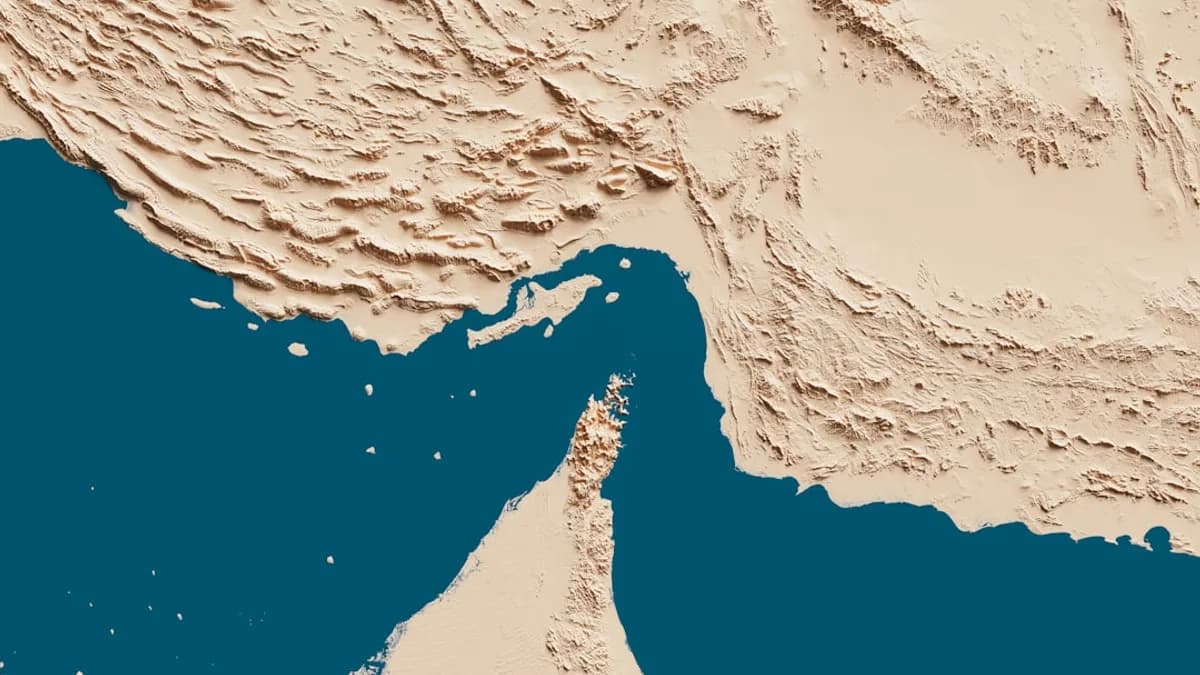
Two Indian merchant vessels came under fire in the Strait of Hormuz this week, drawing strong protests from New Delhi and raising concerns over maritime security in one of the world’s most vital shipping routes. The incident occurred amid heightened tensions as the Iranian Navy sought to reassert control over the strategic waterway, through which roughly a fifth of global oil supplies pass every day [Source: Source]. The Strait of Hormuz, located between the Persian Gulf and the Gulf of Oman, serves as a critical chokepoint for international energy shipments and trade. The targeted vessels, both flagged and operated by Indian companies, reported gunfire and aggressive maneuvers by Iranian naval forces, sparking immediate diplomatic responses and calls for increased vigilance among global shipping operators.
Details of the Incident: What Happened to the Indian Vessels
According to reports from shipping sources and Indian government officials, the Iranian Navy intercepted two Indian tankers as they attempted to traverse the Strait of Hormuz. Merchant vessel crews described gunfire directed at their ships and blocking maneuvers, with one tanker reportedly ordered to "turn around immediately" by Iranian patrol boats [Source: Source]. Despite the tense encounter, both vessels managed to avoid significant damage and there were no casualties among the crews, as confirmed by Indian authorities [Source: Source]. The tankers were carrying commercial cargo and had complied with international maritime protocols during their passage.
Eyewitness accounts and video footage circulating on social media show the moment Iranian naval forces converged on one of the Indian vessels, with warnings broadcast over marine radios and the physical blockade enacted to prevent further transit. Following the confrontation, the Indian ships retreated to safer waters, and their operators issued alerts to other vessels in the region. The Indian crew responded with professionalism, following established safety procedures and maintaining communication with maritime authorities.
Shipping companies reported a brief interruption in scheduled routes, but both tankers resumed operations after the incident. The Indian Maritime Administration quickly mobilized to assess the situation and provide support to the affected crews. The episode underscores the persistent volatility in the Strait of Hormuz, where merchant vessels have faced similar threats in recent years amid regional political tensions.
India’s Official Response and Diplomatic Protests
India’s government responded swiftly, lodging a formal diplomatic protest with Tehran and demanding explanations for the aggressive actions against its merchant ships [Source: Source]. The Ministry of External Affairs issued a statement condemning the incident and reaffirming India’s commitment to protecting its vessels and citizens abroad. Officials emphasized the importance of freedom of navigation in international waters, particularly in the Strait of Hormuz, which is vital for India’s energy security and global trade interests.
Indian authorities called for a thorough investigation and urged Iran to ensure the safety of all commercial traffic in the region. In its protest, India stressed that such actions undermine international maritime law and jeopardize economic stability. The government also sought assurances from Iranian officials that there would be no repeat of the incident and that Indian ships would be allowed safe passage in accordance with established protocols.
India’s stance reflects broader concerns about maritime security in the Gulf, where tensions between Iran and other regional powers have occasionally spilled over into confrontations involving neutral states. The Indian Navy and Coast Guard have increased monitoring of vessels operating in the area and are coordinating with international partners to bolster safety measures.
Iran’s Position and Reassertion of Control in the Strait
Iran has defended its actions, asserting that the naval operations were part of ongoing efforts to maintain security and sovereignty in the Strait of Hormuz [Source: Source]. Iranian officials cited concerns about unauthorized or suspicious shipping activity in the region, claiming that their intervention was necessary to prevent potential threats to national interests. Tehran has repeatedly signaled its intention to reassert control over the vital waterway, especially as geopolitical tensions rise and sanctions pressure intensifies.
In recent months, Iran has increased naval patrols and inspection measures in the Strait, prompting anxiety among global shipping companies and neighboring states. The Iranian government maintains that it is acting within its rights to protect its coastal boundaries and ensure the safe flow of commerce, but critics argue that such maneuvers risk escalation and create uncertainty for international trade.
The latest incident with Indian vessels is seen as part of a broader strategy to demonstrate Iran’s leverage over the Strait of Hormuz. The waterway’s importance to global energy supplies makes it a frequent flashpoint for regional rivalries and international disputes. Analysts warn that repeated confrontations could prompt a larger military or diplomatic response, undermining stability in the Persian Gulf.
Iran’s approach has drawn attention from maritime watchdogs and Western governments, many of whom have called for restraint and adherence to international conventions governing the high seas. The risk of miscalculation remains high, as even minor incidents can quickly spiral into larger crises given the dense concentration of shipping activity and the strategic stakes involved.
Impact on International Shipping and Regional Security
The attack on the Indian tankers has reverberated across the global shipping industry, prompting operators to review risk assessments and contingency plans for the Strait of Hormuz [Source: Source]. Merchant vessels transiting the region have reported heightened vigilance and changes to routing protocols, with some companies delaying or rerouting shipments to avoid potential confrontations. The incident has also led to increased insurance premiums for ships operating in the Persian Gulf, reflecting the perceived threat to safety and reliability.
Shipping associations and international maritime organizations have called for de-escalation and greater transparency from regional actors. The International Maritime Organization (IMO) urged all parties to respect freedom of navigation and to cooperate in ensuring the safe passage of commercial vessels. Industry leaders warn that continued instability could disrupt supply chains, affecting not only oil exports but also broader cargo flows between Asia, Europe, and the Middle East.
The incident comes amid ongoing security challenges in the Persian Gulf, where piracy, sabotage, and state-sponsored actions have periodically threatened maritime activity. Governments from Europe, the United States, and Asia are monitoring developments closely, with some considering additional naval deployments or joint patrols to deter future incidents.
For India, the episode highlights the vulnerability of its energy supply routes and the need for robust diplomatic and security measures to safeguard vital interests in the region. The broader impact on global trade underscores the interconnectedness of maritime security and economic stability, reinforcing calls for multilateral cooperation and dialogue.
Conclusion: Outlook and Potential Developments
The attack on Indian vessels in the Strait of Hormuz has heightened tensions and underscored the fragility of maritime security in one of the world’s most critical trade corridors. While no casualties were reported and both ships escaped major damage, the incident has prompted diplomatic protests, operational changes among shipping companies, and renewed scrutiny of Iran’s regional behavior [Source: Source].
Going forward, stakeholders will be watching closely for diplomatic resolutions and potential security enhancements, including increased international naval presence or new protocols for vessel transit. The stability of the Strait of Hormuz remains essential for global energy and trade, making it imperative to prevent future incidents through dialogue, transparency, and adherence to maritime law.
As tensions persist, the episode serves as a reminder of the need for vigilance and cooperation among nations to ensure the safe, uninterrupted flow of commerce through the world’s key shipping lanes.