
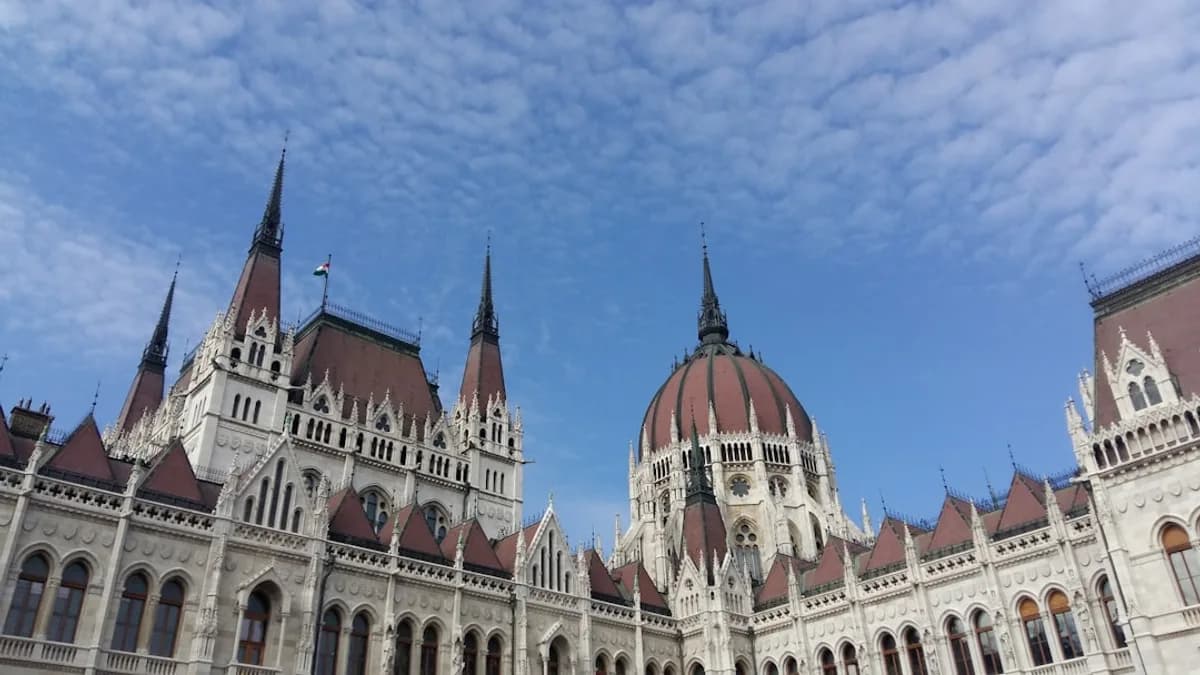


Introduction: The End of an Era in Hungarian Politics
For over a decade, Viktor Orban has been a defining figure in Hungary and a symbol for right-wing populists across Europe. As Hungary’s Prime Minister since 2010, Orban’s brand of “illiberal democracy” has influenced debates on migration, nationalism, and EU integration, making him a lightning rod for both supporters and critics. This week marks a dramatic turning point: after years of electoral dominance, Orban has conceded defeat following Hungary’s parliamentary elections, signaling the end of his long-standing government and a seismic shift in the country’s political landscape. The results not only reshape Hungarian politics but also reverberate through the European right, which has often looked to Orban as a model for challenging liberal and centrist norms [Source: Source]. As Hungary prepares for new leadership, questions abound over the direction of both the nation and the broader conservative movement in Europe.
Election Results and Orban’s Concession
Hungary’s national election delivered a stunning upset, with Viktor Orban and his Fidesz party losing their parliamentary majority for the first time in over a decade. The opposition coalition, a broad alliance of centrist, progressive, and conservative parties united by a desire to unseat Orban, secured a decisive victory. Preliminary results showed the coalition winning a significant margin, ending Fidesz’s dominance of the legislature and marking a rare moment of consensus among Hungary’s fragmented opposition [Source: Source].
Orban’s concession was swift and unambiguous. In a televised address, he acknowledged the defeat, stating, “The Hungarian people have spoken, and we must respect their decision. It is time for a new chapter in Hungary’s democracy.” The statement was notable for its tone, which contrasted with Orban’s combative rhetoric in previous elections. He pledged to cooperate with the incoming government and emphasized the need for stability during the transition.
The opposition’s victory was the result of months of coordination and campaigning, with parties ranging from the center-left to conservative factions setting aside ideological differences to challenge Orban’s rule. Their campaign focused on restoring democratic norms, strengthening Hungary’s ties with the European Union, and reversing controversial policies on media, judiciary, and civil society. Analysts credit their success to increased voter turnout, particularly among young people and urban residents, and a sharp messaging strategy that tapped into widespread discontent with economic stagnation and perceived corruption [Source: Source].
Immediate reactions from the opposition leaders highlighted the historic nature of the win. “This is not just a victory for our coalition, but a victory for Hungarian democracy,” said Peter Magyar, the coalition’s spokesperson. The transition process is expected to be closely watched, given Hungary’s recent history of political polarization and Orban’s sweeping changes to state institutions.
International Reactions to Orban’s Defeat
Orban’s defeat triggered a wave of responses across Europe and beyond, underscoring his global significance. European Commission President Ursula von der Leyen was among the first to celebrate the election outcome, taking just 17 minutes after official results to congratulate Hungary’s new leaders. Her statement emphasized a renewed hope for stronger cooperation between Budapest and Brussels, and a potential reset in Hungary’s relationship with the European Union [Source: Source].
In the United States, the Biden administration signaled optimism about Hungary’s political shift. White House officials noted Orban’s close ties to former President Donald Trump and expressed hope that the new government would support democratic values and civil rights. Meanwhile, Russian officials reacted cautiously, with Kremlin spokesperson Dmitry Peskov acknowledging Orban’s defeat but stopping short of criticizing his pro-Russia stance. Moscow’s interest in Hungary, given Orban’s previous alignment with Vladimir Putin, will likely persist, even as the country reorients its foreign policy [Source: Source].
EU member states, particularly Poland and Italy—where right-wing governments have looked to Orban’s model—responded with a mix of congratulations and caution. Some leaders praised Hungary’s democratic process, while others warned that the opposition coalition must deliver on its promises to avoid further polarization. Media coverage reflected the global importance of the event: The New York Times described Orban as a “beacon to the right,” noting the broader implications for nationalist movements across Europe [Source: Source]. Politico highlighted von der Leyen’s rapid response, signaling the EU’s eagerness to move past years of tension with Budapest. The Washington Post underscored Orban’s alliances with Trump and Putin, framing the election as a setback for global populism. Al Jazeera and The Hill echoed these themes, focusing on the reactions from international leaders and the uncertain future of Hungary’s right-wing movement.
Orban’s Political Legacy and Influence
Viktor Orban’s tenure as Prime Minister transformed Hungary’s political landscape and reverberated across Europe. He positioned himself as a champion of national sovereignty, strict immigration controls, and traditional values, often clashing with EU leaders over rule-of-law issues. Orban’s alliances with figures like Donald Trump and Vladimir Putin further cemented his reputation as a leader willing to buck liberal norms and court controversy on the global stage [Source: Source].
Domestically, Orban’s legacy is complex. His government enacted constitutional reforms that centralized power, weakened checks and balances, and restricted media freedom. Critics argue these changes eroded Hungary’s democratic institutions, while supporters claim they fostered stability and protected national interests. The judiciary, once independent, became increasingly subject to executive influence, raising concerns among European watchdogs and prompting several EU investigations into Hungary’s adherence to democratic standards [Source: Source].
Orban’s approach to migration became a rallying point for right-wing parties across Europe. His opposition to EU quotas and construction of border fences during the 2015 refugee crisis drew praise from nationalist leaders and criticism from human rights groups. He often framed Hungary as a bulwark against “globalist elites” and “foreign interference,” rhetoric that influenced campaigns in Poland, Italy, and France.
Despite strained relations with Brussels, Orban maintained Hungary’s membership in the EU, leveraging its economic benefits while resisting deeper integration. He cultivated ties with Russia and China, seeking energy and infrastructure deals that boosted Hungary’s strategic autonomy. This balancing act allowed Orban to position Hungary as both a European outlier and a key player in global geopolitics [Source: Source].
Internationally, Orban’s policies inspired a wave of right-wing populism, with leaders across Europe citing his successes as proof that “illiberal democracy” was viable. His defeat now raises questions about the sustainability of this model and the future direction of conservative politics in the region.
What Comes Next for Hungary and the European Right?
With Orban’s departure, Hungary faces a pivotal moment. The incoming coalition government must navigate deep political divisions, restore trust in democratic institutions, and address lingering economic challenges. Analysts expect the new administration to prioritize media reform, judicial independence, and closer ties with the European Union, in an effort to reverse the legacy of Orban’s centralization [Source: Source].
The election result also prompts a reassessment of right-wing strategies in Hungary and Europe. For years, Orban’s success emboldened populist parties and provided a blueprint for challenging centrist governments. His defeat may force these movements to reconsider their messaging, alliances, and approaches to governance. In Poland, Italy, and France, right-wing leaders are watching Hungary’s transition closely, wary of similar setbacks.
Speculation about Orban’s future is rife. While he has pledged to respect the election outcome, some observers believe he will remain an influential figure within Fidesz and the broader European right. His political network, international connections, and media presence ensure he will continue to shape debates on migration, sovereignty, and EU reform. However, without governmental power, his influence may wane, and new leaders could emerge to fill the vacuum [Source: Source].
For Hungary, the challenge is clear: rebuilding democratic norms, restoring international credibility, and delivering on the promises that secured the opposition’s victory. The process will be fraught with obstacles, but the outcome will set the tone for the country’s—and Europe’s—political future.
Conclusion: A Turning Point in European Politics
Viktor Orban’s concession marks a watershed moment for Hungary and the broader European right. After years of dominating the political landscape and shaping debates on nationalism, migration, and democracy, Orban’s defeat signals a shift toward renewed pluralism and engagement with European values [Source: Source]. The election outcome not only resets Hungary’s trajectory but also challenges the momentum of right-wing populism across the continent. As the new government takes office, the world will watch closely to see whether Hungary can heal its divisions, restore democratic institutions, and forge a more constructive relationship with the European Union. Ultimately, this turning point offers both hope and uncertainty, as Europe grapples with evolving political dynamics and the search for new models of governance.