
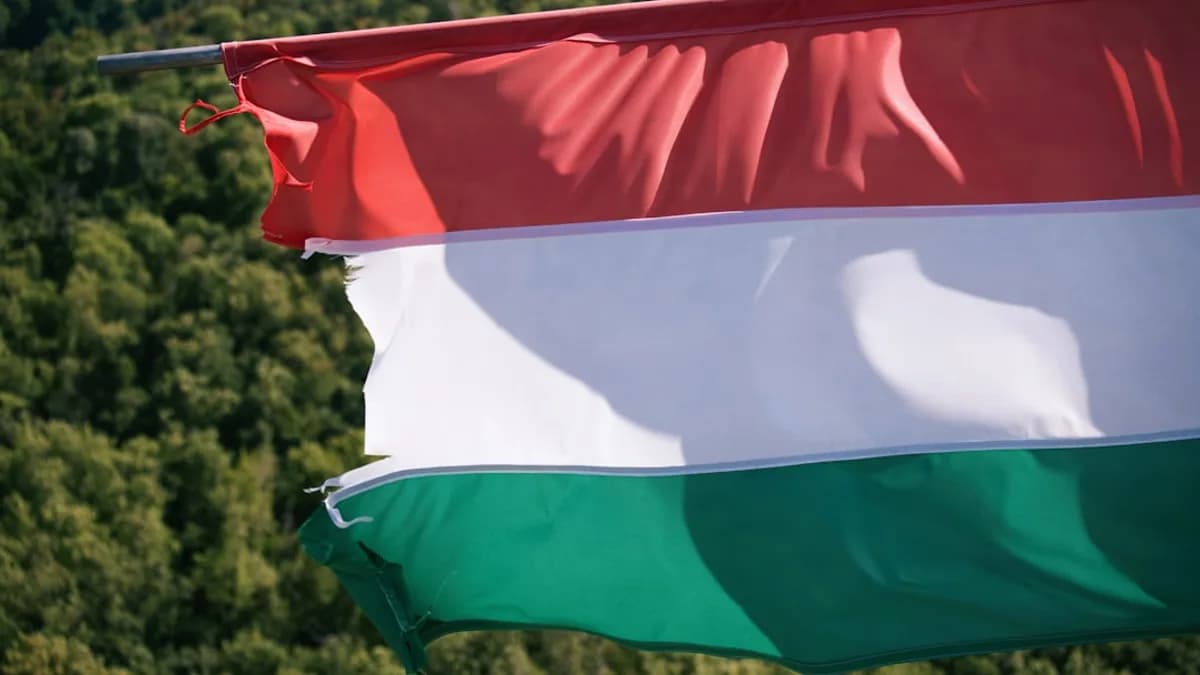


Introduction: A Historic Shift in Hungarian Politics
Hungary’s latest election has ushered in a seismic shift in the nation’s political landscape, marking the end of Viktor Orbán’s lengthy and controversial reign. After more than a decade dominating Hungarian politics, Orbán conceded a “painful” defeat to Péter Magyar, a newcomer whose campaign has resonated with a broad cross-section of voters [Source: Source]. Magyar’s win is significant not only because it unseats Orbán, a figure often viewed as a beacon for right-wing movements across Europe, but also because it signals a potential course change for Hungary on both domestic and international fronts. This election, seen as a referendum on Orbán’s policies and leadership, introduces Magyar as the new face of Hungarian politics. The outcome could reshape the nation’s trajectory, impacting everything from democratic institutions to Hungary’s relationship with the European Union.
Background: Viktor Orbán’s Political Journey
Viktor Orbán’s political career began as a young liberal firebrand in the late 1980s, championing democratic reforms as the country transitioned from communism. Over the years, Orbán transformed into a staunchly nationalist leader, steering Hungary in a markedly right-wing direction. His party, Fidesz, consolidated power through constitutional changes, media control, and a campaign that prioritized sovereignty and traditional values [Source: Source]. Orbán’s tenure was characterized by policies targeting immigration, curbing the independence of the judiciary, and restricting civil society organizations. Internationally, he positioned Hungary as a critic of EU centralization, often clashing with Brussels over rule-of-law issues and migration.
Domestically, Orbán maintained popularity through economic growth, generous family subsidies, and tough rhetoric against perceived threats to Hungarian identity. However, his leadership was also marked by controversy. Critics accused him of undermining democratic norms, silencing dissent, and fostering corruption. While supporters admired his defense of national interests, Orbán’s approach polarized Hungarian society and drew condemnation from Western partners. Over time, dissatisfaction grew among younger voters and urban populations, setting the stage for a challenger to disrupt the status quo.
Who is Péter Magyar? The Challenger Who Changed the Game
Péter Magyar, the man who toppled Orbán, is a lawyer and former government official who emerged as a reform-minded candidate with a centrist platform [Source: Source]. Unlike Orbán’s deeply partisan identity, Magyar positioned himself as a unifier, appealing to both moderate conservatives and progressives. His campaign focused on restoring democratic institutions, increasing transparency, and strengthening Hungary’s ties with Europe. Magyar’s message resonated particularly with younger voters, urbanites, and those frustrated by the perceived erosion of civil liberties.
Magyar’s victory was attributed to a savvy campaign strategy that leveraged social media, grassroots mobilization, and coalition-building among opposition parties. Recognizing the fragmented nature of anti-Orbán sentiment, he formed alliances with smaller parties, amplifying their collective impact. His promise to fight corruption and improve public services galvanized support across demographics. Magyar’s background in law and government lent credibility to his reform agenda, while his outsider status made him an appealing alternative to the entrenched Fidesz machine. Ultimately, his win signals a shift toward a more open, pluralistic political environment in Hungary.
The Election Dynamics: How the Vote Unfolded
The election was closely watched both within Hungary and internationally, as it was seen as a critical test of the country’s democratic resilience. Voting took place across a divided landscape, with rural regions traditionally backing Fidesz and urban districts leaning toward the opposition. Key battlegrounds included Budapest and other large cities, where dissatisfaction with Orbán’s policies was most pronounced [Source: Source].
Opposition parties played a pivotal role, setting aside ideological differences to form a united front against Orbán. This alliance, unprecedented in Hungarian politics, helped consolidate anti-Fidesz votes and prevent the fragmentation that had previously allowed Orbán to win with pluralities. Voter turnout was notably high, reflecting the electorate’s sense of urgency and desire for change. Younger voters, women, and urban residents were particularly active, swinging the momentum toward Magyar.
The results revealed a clear shift: regions that had routinely supported Fidesz saw their margins erode, while opposition strongholds delivered decisive wins. Factors contributing to Orbán’s defeat included widespread discontent over corruption, concerns about democratic backsliding, and the desire for closer ties with the EU. Magyar’s inclusive rhetoric and reform promises proved compelling, overcoming Fidesz’s entrenched advantages in media and rural networks [Source: Source].
Implications of the Election Outcome
Magyar’s victory is likely to usher in significant policy changes. His platform promises to restore judicial independence, expand press freedoms, and tackle corruption—issues that have long troubled Hungary’s democratic institutions. Reinvigorating Hungary’s relationship with the European Union is another priority, with Magyar pledging greater cooperation on rule-of-law matters and migration policies [Source: Source]. This could ease tensions with Brussels and unlock EU funding that had been withheld over governance concerns.
The election outcome also has broader implications for right-wing politics across Europe. Orbán’s defeat signals waning support for populist, nationalist leaders who have challenged liberal democratic norms. As one of the most prominent right-wing figures on the continent, Orbán’s loss may embolden centrist and progressive movements in neighboring countries, while prompting soul-searching among conservative parties.
However, Magyar’s government faces significant challenges. Reversing years of institutional changes will require careful negotiation, especially given the entrenched interests within Hungary’s bureaucracy and media landscape. Economic stability is another concern, as Magyar must balance reform with the need to maintain growth and social welfare programs. The new administration will also need to address polarization and rebuild trust among supporters of Fidesz, ensuring that the transition does not deepen societal divides.
On the international stage, Hungary’s repositioning could alter its role in regional alliances and influence broader debates about democracy and governance in Central Europe. Magyar’s leadership presents both opportunities for renewal and risks of backlash from those who benefited under Orbán’s rule [Source: Source].
Conclusion: What Lies Ahead for Hungary?
Hungary’s election marks the end of Viktor Orbán’s era and the dawn of a new chapter led by Péter Magyar. The significance of Orbán conceding defeat cannot be overstated; it reflects a dramatic realignment in Hungarian politics and offers hope for renewed democratic processes [Source: Source]. While Magyar’s win signals optimism for reform and closer ties with Europe, the road ahead will be complex. The new government must navigate entrenched divisions, restore institutional trust, and deliver on promises of transparency and accountability. As Hungary embarks on this journey, the world is watching to see whether it can successfully transition from a polarized, nationalist approach to a more inclusive, democratic future. The coming years will be crucial for Hungary’s stability, its role in Europe, and the evolution of its political identity.