Introduction: Context of the Israel-Hezbollah Conflict
The conflict between Israel and Hezbollah is a longstanding and complex struggle that has shaped the political and security landscape of the Middle East for decades. Hezbollah, a Shiite militant group and political party based in Lebanon, has been engaged in hostilities with Israel since its founding in the early 1980s. The relationship is marked by periodic escalations, including the devastating 2006 war, and continued border skirmishes. In recent months, tensions have surged once again, with both sides exchanging missile and rocket attacks, raising fears of a broader conflict. This escalation is significant because it threatens to destabilize an already volatile region, drawing in local populations and external actors. This article aims to explain Hezbollah’s role in the conflict, its recent military activities, and the perspectives from both sides, offering insights into the ongoing hostilities and their implications for regional stability [Source: Source].
Who is Hezbollah? Origins and Structure
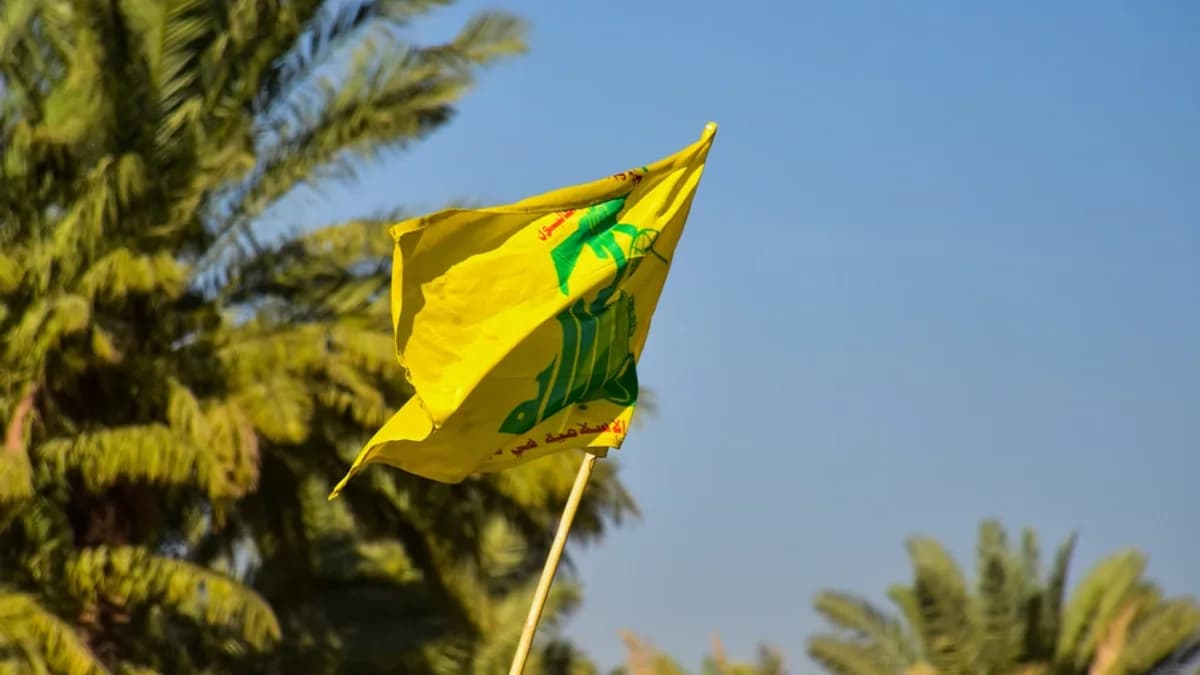
Hezbollah emerged in the early 1980s during the Lebanese civil war, supported by Iran’s Islamic Revolutionary Guard Corps and motivated by opposition to Israeli occupation in southern Lebanon. Its ideological foundation is rooted in Shiite Islam, with a stated mission to resist Israeli aggression and champion the rights of Lebanon’s Shiite community. Over the decades, Hezbollah has evolved into a multifaceted organization, blending military prowess with political influence.
Structurally, Hezbollah operates through two main wings: the military wing, which conducts armed operations against Israel and other adversaries, and the political wing, which participates in Lebanon’s government and social services. The group’s Secretary-General, Hassan Nasrallah, oversees both branches, maintaining tight control over decision-making and strategy. Hezbollah’s political activities have enabled it to secure substantial support within Lebanon, particularly among Shiite communities, while its military operations have positioned it as a key player in regional geopolitics.
Hezbollah also exerts influence beyond Lebanon, supporting allied groups in Syria, Iraq, and Yemen, and maintaining close ties with Iran. Its dual role as both a political party and a paramilitary force has allowed it to shape Lebanon’s domestic affairs while contributing to broader regional conflicts. This unique structure complicates efforts to address its activities, as Hezbollah’s legitimacy among its constituents contrasts with its designation as a terrorist organization by Israel, the United States, and other Western nations [Source: Source].
Hezbollah’s Military Capabilities and Tactics
Hezbollah boasts a formidable arsenal, developed with significant assistance from Iran. Its weapons stockpile includes thousands of rockets and missiles, ranging from short-range Grad rockets to advanced precision-guided munitions capable of striking deep into Israeli territory. The group has also acquired anti-tank missiles, drones, and sophisticated communication systems, enhancing its ability to wage asymmetric warfare.
In previous conflicts, notably the 2006 Lebanon War, Hezbollah demonstrated its tactical ingenuity. The group employed guerrilla tactics, exploiting Lebanon’s terrain to launch rocket attacks and ambush Israeli forces. Its use of underground bunkers, tunnels, and mobile launch platforms made it difficult for Israeli forces to target and neutralize its assets. Hezbollah’s ability to maintain command and control under intense bombardment was a testament to its operational discipline.
Recent developments suggest Hezbollah has further refined its military strategy. The group has increased its use of precision-guided missiles, aiming to target critical Israeli infrastructure and military positions. It has also expanded its drone capabilities, using unmanned aerial vehicles for reconnaissance and, potentially, offensive operations. These advancements have heightened Israel’s concerns about the threat posed by Hezbollah, especially as the group continues to receive support and training from Iran’s military advisors [Source: Source]. The ongoing arms race underscores the risk of escalation, as each side seeks to deter the other through displays of military strength.
Recent Clashes: Timeline and Key Events
In the past few months, the border between Israel and southern Lebanon has witnessed a sharp uptick in hostilities. Hezbollah has launched numerous missile and rocket attacks targeting Israeli communities and military installations. For instance, recent incidents include the firing of rockets that caused significant damage in northern Israel, prompting air raid sirens and emergency responses [Source: Source]. The Israeli Defense Forces (IDF) have retaliated with airstrikes and artillery fire, targeting Hezbollah positions and infrastructure in southern Lebanon.
These tit-for-tat exchanges have had profound effects on civilians. In Israel, residents of kibbutzim near the Lebanese border have faced repeated evacuations and disruptions to daily life, living with the constant threat of incoming fire [Source: Source]. Many communities have reported damage to homes and infrastructure, and the psychological toll of living in a conflict zone is evident. On the Lebanese side, villages and towns in the south have suffered from Israeli airstrikes, displacement, and heightened insecurity.
The escalation has also drawn attention from international observers, who warn that continued violence risks spilling over into a broader confrontation. The Lebanese government faces challenges in controlling Hezbollah’s actions, while Israeli leaders emphasize the need to protect their citizens and deter further attacks. The military exchanges have not only strained relations between the two countries but have also complicated humanitarian efforts, as aid agencies struggle to reach affected populations amid the ongoing violence [Source: Source]. The persistent instability underscores the fragile nature of the ceasefire agreements and the difficulty of achieving lasting peace.
Hezbollah’s Perspective: Insights from a Commander
A recent interview conducted by NPR with a Hezbollah commander provides a rare glimpse into how the group views the conflict with Israel [Source: Source]. According to the commander, Hezbollah sees itself as engaged in a protracted struggle to defend Lebanon and resist Israeli aggression. He describes the ongoing clashes as an “endless war,” emphasizing the group’s commitment to maintaining its military readiness and responding to Israeli actions.
The commander portrays Hezbollah’s fighters as resilient, focused on their objectives despite the risks and hardships. He insists that the group is not deterred by Israeli military strikes, viewing these as part of a larger pattern of confrontation. Hezbollah’s narrative is one of defiance, positioning itself as a guardian of Lebanese sovereignty and a bulwark against Israeli expansion. The commander’s account highlights both the sense of duty among Hezbollah’s ranks and the belief that their struggle is justified and necessary.
This perspective underscores the deep-rooted animosity between Hezbollah and Israel, as well as the challenges in resolving the conflict. The commander’s remarks reflect a broader sentiment within the group, which sees negotiation and compromise as secondary to resistance and self-defense. Such views complicate efforts to mediate and de-escalate tensions, making the prospects for peace more elusive [Source: Source].
Implications for Regional Stability and Future Outlook
The ongoing clashes between Israel and Hezbollah carry significant implications for regional stability. For Lebanon, the conflict exacerbates economic and political crises, stretching resources and undermining government authority. The risk of escalation threatens to draw in foreign powers, particularly Iran and Syria, potentially widening the scope of hostilities.
For Israel, the threat posed by Hezbollah’s missiles and military capabilities remains a major security concern. The possibility of a full-scale conflict could disrupt civilian life and strain the country’s defense infrastructure. The situation also impacts broader regional dynamics, as Gulf states, the United States, and other actors monitor developments closely.
External actors play a crucial role in shaping the conflict’s trajectory. Iran’s continued support for Hezbollah, coupled with diplomatic efforts by the US and European countries, influences the balance of power and the potential for de-escalation. However, the lack of effective dialogue and the entrenched positions of both sides suggest that a lasting resolution remains unlikely in the near term [Source: Source]. The prospect of further violence cannot be ruled out, as both Israel and Hezbollah prepare for possible escalation.
Conclusion: Understanding the Complexity of the Israel-Hezbollah Conflict
Hezbollah’s role in the conflict with Israel is multifaceted, blending military strength with political influence and ideological conviction. Recent military actions, including missile attacks and retaliatory strikes, highlight the persistent volatility of the border region and the challenges faced by civilians on both sides. Understanding Hezbollah’s structure, capabilities, and perspective is essential for assessing the conflict’s dynamics and the prospects for peace.
The complexity of the Israel-Hezbollah confrontation underscores the need for a nuanced approach, recognizing the historical roots and regional implications. While efforts at mediation and de-escalation continue, the entrenched positions and ongoing violence pose significant obstacles. The challenge remains to find a path toward stability and security, balancing the interests of local populations and regional actors in an environment fraught with uncertainty [Source: Source].