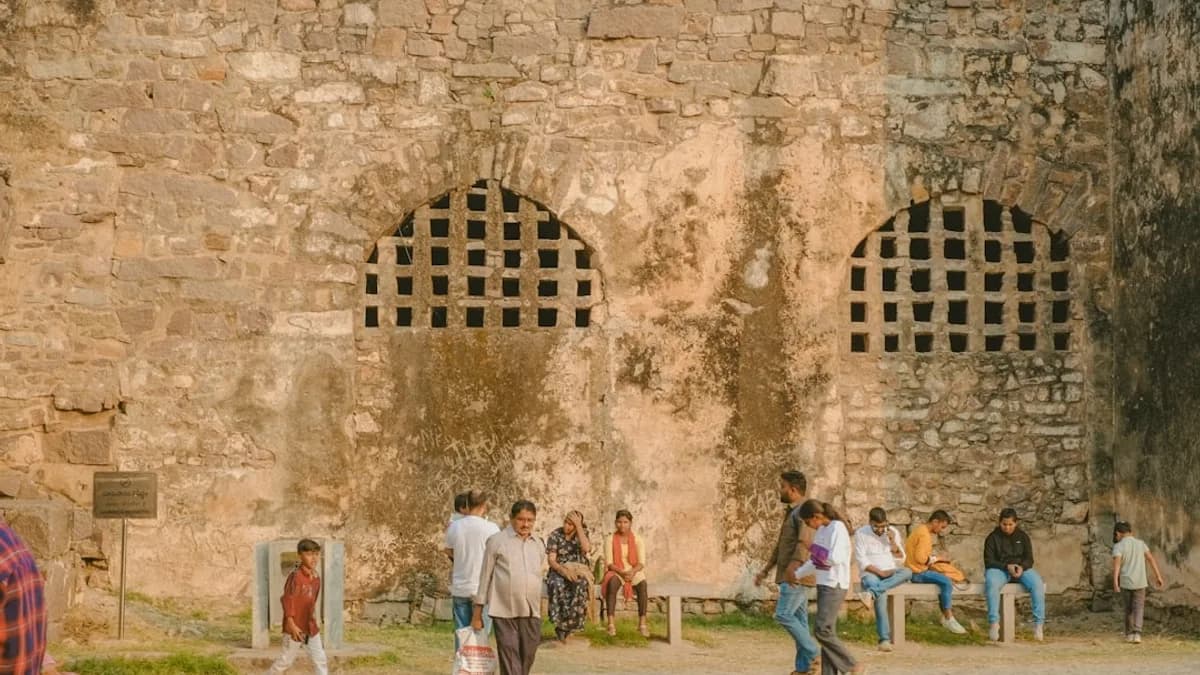
Introduction: Overview of the Tragic Stampede at Haiti’s Citadelle Laferriere
A devastating stampede at Haiti’s Citadelle Laferriere, a UNESCO-listed mountaintop fortress, has left at least 25 people dead and dozens more injured. The tragedy occurred during a crowded event at the historic site, which draws both locals and international tourists due to its cultural significance and panoramic views. Preliminary reports indicate that the chaos unfolded on June 7, 2024, as large groups attempted to leave the fortress simultaneously, leading to a crushing surge in the confined pathways [Source: Source].
The immediate aftermath saw widespread shock and grief within the local community and among visitors, as rescue efforts were quickly mobilized. The incident has raised urgent questions about safety standards at popular tourist destinations and highlighted the need for improved crowd management at Haiti’s most treasured landmarks.
Background: The Historical and Cultural Importance of Citadelle Laferriere
Citadelle Laferriere, perched atop a mountain in northern Haiti, is a monumental symbol of the nation’s resilience and independence. Constructed in the early 19th century by Henri Christophe, a leader of the Haitian Revolution, the fortress was designed as a defensive stronghold in the aftermath of Haiti’s fight for freedom from colonial rule. With its imposing stone walls and strategic location, the Citadelle stands as a testament to Haiti’s determination to protect its sovereignty.
The site has long been a magnet for tourists, historians, and locals alike. It was designated a UNESCO World Heritage Site in 1982, recognizing its architectural grandeur and its role in the global history of slavery and emancipation. Visitors are drawn to the fortress not only for its historical significance but also for the breathtaking views of the surrounding landscape. However, despite its international acclaim, Citadelle Laferriere faces ongoing challenges related to infrastructure and visitor management. Narrow pathways, limited emergency access, and inadequate signage complicate crowd control, particularly during busy periods or special events. These issues, now tragically underscored by the recent stampede, have prompted renewed scrutiny of safety practices at the site [Source: Source].
What Happened: Details of the Stampede Incident
According to multiple reports, the stampede occurred as a large crowd gathered at Citadelle Laferriere for a community celebration. As the event concluded, hundreds of visitors attempted to exit simultaneously through the fortress’s constrained passageways. The sudden surge led to panic, causing people to trip and fall, subsequently triggering a chain reaction as others tried to escape the crush [Source: Source].
Eyewitnesses described chaotic scenes, with screams and confusion as people scrambled for safety. The fortress’s steep staircases and narrow corridors exacerbated the danger, making it difficult for individuals to move freely or for rescuers to reach those in distress. Some attendees reported that there were few visible security personnel or guides managing the crowd, and the lack of clear evacuation routes further complicated the situation.
Emergency responders arrived swiftly, transporting the injured to nearby hospitals and administering first aid on site. Officials have launched an investigation into the incident, seeking to determine whether the event was properly authorized and if adequate precautions were taken. Local authorities expressed condolences to the victims’ families and pledged to review safety protocols at the fortress. Preliminary findings suggest that overcrowding and insufficient crowd control were key contributing factors, highlighting longstanding concerns about visitor management at the site [Source: Source].
Understanding Stampedes: How and Why They Occur
Stampedes are tragic events that typically arise when large crowds experience sudden fear or urgency, leading to uncontrolled movement and crushing. Crowd dynamics play a critical role—when people are densely packed, even minor disturbances can trigger panic and a rush to escape perceived danger. The risk is heightened in settings with limited exits, narrow walkways, or barriers that restrict movement.
Globally, stampedes have occurred in a variety of contexts, from religious festivals to sporting events and concerts. Notable examples include the 2015 Hajj stampede in Saudi Arabia, which claimed over 2,000 lives, and the 2003 Erawan Shrine incident in Thailand. Each tragedy has underscored the importance of proper crowd management, clear communication, and robust emergency planning.
Preventive measures for large gatherings typically involve monitoring crowd density, deploying trained security personnel, and establishing clear evacuation routes. Organizers are encouraged to use real-time surveillance and signage to direct flow, while authorities must ensure that emergency services can access all areas quickly. After past incidents, many venues have adopted stricter controls, such as ticketed entry, capacity limits, and regular safety drills. However, implementation can be challenging, especially at historic sites where modern infrastructure is limited and preservation concerns restrict alterations [Source: Source].
Response and Recovery Efforts
Following the stampede, emergency services and local authorities acted swiftly to provide medical assistance and manage the scene. Rescue teams worked under difficult conditions, navigating the fortress’s steep terrain and narrow corridors to reach the injured. Hospitals in the region were placed on high alert, and additional medical staff were mobilized to address the influx of casualties.
The Haitian government has initiated a formal inquiry into the causes of the disaster, with support from civil protection agencies and international partners. Aid organizations have offered assistance, providing trauma counseling, logistical support, and resources for affected families. Local leaders have called for urgent reviews of safety procedures at tourist sites, and preliminary measures—including increased security presence and temporary restrictions on large gatherings—have been enacted at Citadelle Laferriere.
Longer-term recovery efforts are expected to focus on improving infrastructure and visitor management, balancing the fortress’s cultural heritage with the need for modern safety standards. The tragedy has sparked broader discussions about tourism policy in Haiti, as stakeholders seek to protect both visitors and the nation’s historic landmarks [Source: Source].
Conclusion: Moving Forward and Ensuring Visitor Safety
The mass stampede at Citadelle Laferriere serves as a painful reminder of the risks associated with managing large crowds at historic sites. As Haiti mourns the loss of dozens of lives, the incident has prompted a national reckoning on safety, infrastructure, and responsible tourism. Ensuring visitor safety must become a top priority, not only to prevent future tragedies but also to preserve the fortress’s legacy for generations to come.
Balancing the allure of tourism with the challenges of preservation requires a collaborative approach—one that incorporates expert guidance, robust planning, and continuous investment in infrastructure. Calls for action from local authorities and international partners highlight the need for comprehensive reforms, from crowd control measures to emergency preparedness. By learning from this tragedy, Haiti can safeguard its cultural treasures while offering meaningful and secure experiences for all visitors [Source: Source].