


Introduction: Overview of the Incident
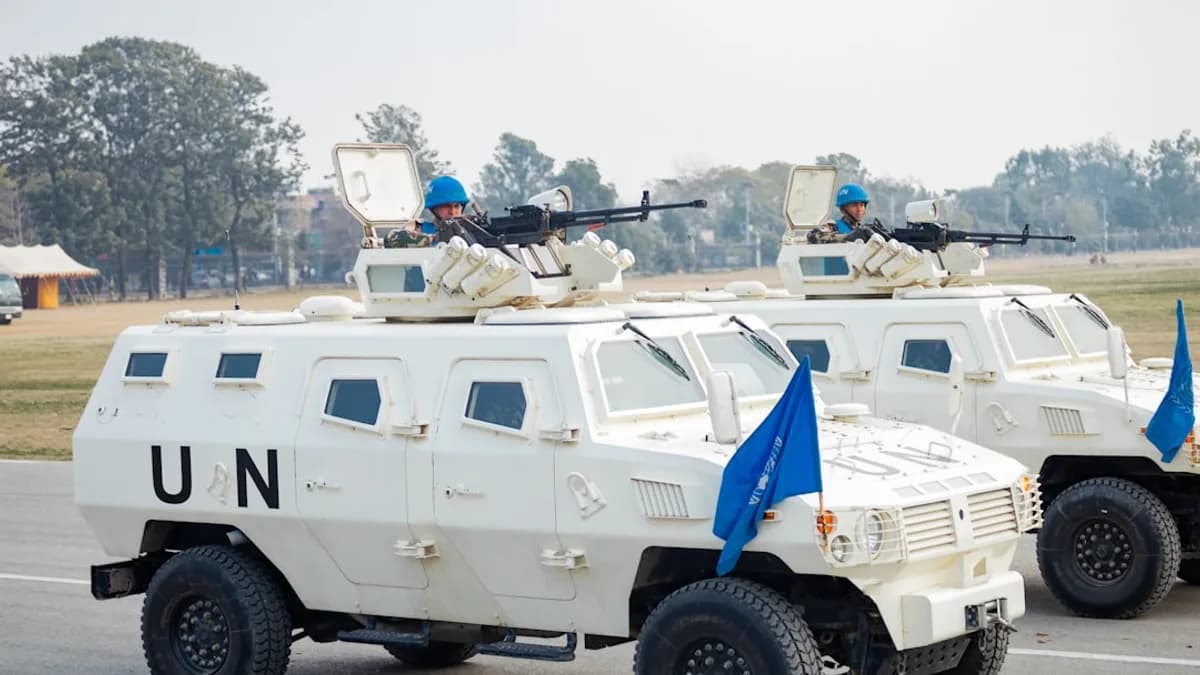
A French peacekeeper serving with the United Nations Interim Force in Lebanon (UNIFIL) was killed in an attack in southern Lebanon, with three other French soldiers wounded [Source: Source]. The incident, which took place amid heightened tensions along Lebanon’s southern border, has drawn swift condemnation from French President Emmanuel Macron, who identified Hezbollah as responsible for the attack. UN officials, including Secretary-General António Guterres, have also strongly condemned the violence, underscoring the risks faced by international peacekeeping personnel in the region. The attack highlights the fragile security situation in Lebanon, where ongoing regional disputes and internal instability continue to threaten efforts to maintain peace.
Background: The Role of UNIFIL in Lebanon
The United Nations Interim Force in Lebanon (UNIFIL) was established in 1978 following the outbreak of conflict between Israel and Lebanon. Its primary mandate is to monitor the cessation of hostilities, assist the Lebanese government in restoring authority in the area, and facilitate the safe return of civilians displaced by violence [Source: Source]. Originally deployed to oversee Israeli withdrawal from Lebanon, UNIFIL’s mission has evolved over decades to include peacekeeping, mine clearance, and support for local communities.
UNIFIL operates in a volatile region where tensions between Hezbollah, Israel, and other groups periodically flare into violence. The force comprises around 10,000 personnel from nearly 50 countries, including a significant contingent from France. French troops have historically played a prominent role in UNIFIL, contributing to both operational leadership and on-the-ground activities. After the 2006 Israel-Hezbollah war, the mission was strengthened to help prevent further conflict and support stability along the so-called Blue Line, the de facto border between Lebanon and Israel.
Despite its robust international composition, UNIFIL faces ongoing challenges, including restrictions on movement, threats from armed groups, and difficulties in fulfilling its mandate amid political instability. The presence of peacekeepers is intended to act as a deterrent against escalation and provide a neutral buffer between conflicting parties, but the reality is often fraught with risk.
Details of the Attack and Immediate Reactions
The fatal attack occurred in southern Lebanon, an area where UNIFIL patrols are routine but not without danger. The French soldiers were reportedly targeted while carrying out their peacekeeping duties; the exact circumstances of the assault remain under investigation, but initial reports indicate an explosive device or direct fire may have been involved [Source: Source]. President Emmanuel Macron publicly accused Hezbollah of orchestrating the attack, a charge with significant political and security implications.
France’s government responded with strong condemnation, pledging to hold those responsible to account and reaffirming its commitment to international peacekeeping efforts. UN Secretary-General António Guterres issued a statement denouncing the violence and calling for an immediate investigation, emphasizing the need to safeguard peacekeepers and uphold international law. Lebanese authorities also expressed regret over the incident, promising cooperation with the UN to ensure security for its personnel.
The attack has prompted renewed scrutiny of the security environment facing UNIFIL, particularly in areas where armed groups operate with relative impunity. It also raises questions about the effectiveness of current protective measures and the risks for peacekeepers stationed in conflict zones. The incident serves as a stark reminder of the volatility in southern Lebanon and the broader region.
Hezbollah’s Role and Regional Implications
Hezbollah, a powerful Shiite militia and political party, maintains a significant presence in southern Lebanon. Its influence extends beyond military capabilities, shaping local politics and social dynamics. President Macron’s accusation that Hezbollah was responsible for the attack is notable, as it directly implicates one of Lebanon’s most influential actors in violence against international peacekeepers [Source: Source].
Hezbollah’s involvement in the incident, if confirmed, could have repercussions for Lebanon’s internal politics, particularly given the group’s contentious relationship with other factions and its role in government. The attack risks exacerbating existing divisions, fueling calls for greater accountability and potentially prompting international pressure on Lebanon to rein in Hezbollah’s activities.
Regionally, the event adds to mounting tensions along the Israel-Lebanon border, where sporadic clashes and mutual accusations are common. The presence of UNIFIL is meant to reduce the risk of escalation, but attacks on peacekeepers undermine this objective and threaten to destabilize the fragile balance. Israel has long expressed concern about Hezbollah’s military buildup in southern Lebanon, and incidents like this could draw further attention to the group’s activities and the potential for broader conflict.
Internationally, the killing of a UN peacekeeper may prompt diplomatic responses, including calls for enhanced cooperation among regional actors and increased support for UNIFIL’s mission. The incident also highlights the challenges of maintaining neutrality in an environment where armed groups operate outside the control of the state and where the interests of local, regional, and international actors often collide.
Challenges Facing UN Peacekeeping Missions in Lebanon
Peacekeepers in Lebanon operate under considerable risk, facing threats from armed groups, political instability, and the complexities of a divided society. UNIFIL’s mandate, while clear in its objectives, is often constrained by limitations in authority, restricted access, and the need to navigate local sensitivities. The attack on French soldiers underscores the vulnerability of peacekeepers and the difficulties in ensuring their safety.
Operational challenges include the presence of landmines, the risk of ambushes, and occasional hostility from local populations or militias. UNIFIL’s ability to respond to incidents is limited by rules of engagement and the necessity to avoid escalating tensions. Political instability in Lebanon, including frequent changes in government and ongoing economic crises, further complicates the mission’s effectiveness.
The presence of armed groups such as Hezbollah poses a particular threat, as their activities often circumvent state authority and challenge the neutrality of UN forces. Calls for enhanced security measures—such as increased surveillance, better equipment, and stronger coordination with Lebanese security agencies—have grown louder in the wake of recent attacks. International support, both in terms of resources and political backing, remains crucial for UNIFIL to fulfill its mandate and protect its personnel.
Conclusion: The Way Forward for Peace and Security in Lebanon
The killing of a French peacekeeper in southern Lebanon marks a tragic setback for UN efforts to maintain stability in a region fraught with conflict [Source: Source]. It underscores the dangers faced by international personnel and the persistent challenges in achieving lasting peace. As France, the UN, and Lebanon respond to this incident, the importance of international cooperation and robust security measures becomes ever more apparent.
Preventing further violence will require renewed diplomatic engagement, greater accountability for attacks on peacekeepers, and a concerted effort to address underlying political and security issues. The future of peacekeeping in Lebanon depends not only on the actions of local actors but also on sustained support from the global community. Only through collective efforts can the region hope to move towards lasting stability and security.