Introduction: Rising Tensions and Europe's Strategic Response in the Strait of Hormuz
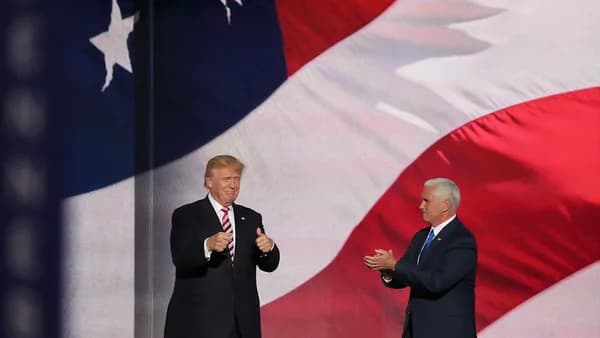
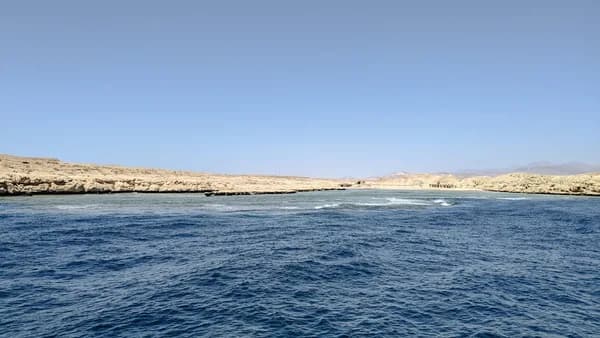
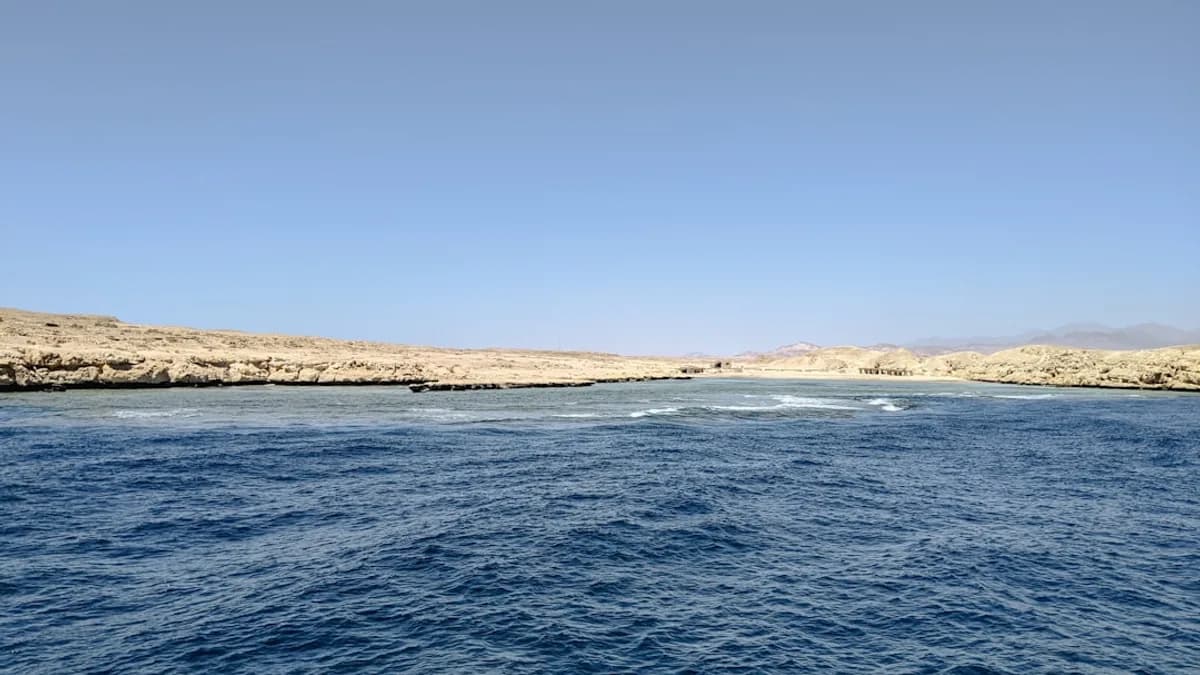
The Strait of Hormuz has long stood as one of the world’s most vital maritime chokepoints. Over a fifth of global oil exports pass through this narrow waterway, making its security a matter of international concern. Recent years have seen mounting geopolitical tensions in the region, especially as conflict and uncertainty impact both energy markets and global trade. Amid these challenges, the United States under President Trump has issued direct warnings to allies, urging them to "STAY AWAY" from involvement in securing the strait, citing concerns about escalation and resource commitments [Source: Source].
Despite this directive, European leaders have chosen to accelerate their efforts to safeguard the Strait of Hormuz. Determined to ensure stability and uninterrupted commercial passage, Europe is moving forward with a new security initiative that positions itself as independent from US policy and responsive to the unique challenges of the region. This approach signals both a shift in transatlantic security priorities and a test of Europe’s strategic autonomy.
Europe’s Defensive Mission: Leadership and Objectives
At the heart of Europe’s renewed push to secure the Strait of Hormuz are the United Kingdom and France, who have stepped up to lead a multinational defensive mission. The initiative is a direct response to recent incidents and threats to commercial shipping, which have threatened not just energy supplies but the broader global economy. During a recent summit, European officials stressed that their approach is “strictly defensive,” emphasizing the need to avoid escalation and maintain regional stability [Source: Source].
The main objectives of the European mission revolve around ensuring safe passage for commercial vessels navigating the strait. This includes deploying naval assets to deter potential attacks or hostile actions against cargo ships, oil tankers, and other maritime traffic. UK and French forces are expected to coordinate patrols, share intelligence, and support rapid response capabilities in the event of an incident.
This mission also aims to fill the gap left by the US decision to step back. By focusing on deterrence and protection rather than confrontation, Europe hopes to reassure global markets and regional partners that the vital corridor will remain open and secure. The leaders of the mission have repeatedly stated their commitment to maintaining transparency and communication with all stakeholders, underscoring that their efforts are meant to complement, not replace, existing security arrangements in the region [Source: Source].
International Participation and Diplomatic Dynamics
Europe’s initiative has garnered broad international support, with over a dozen countries expressing interest in participating in the Hormuz mission, according to UK Labour leader Keir Starmer [Source: Source]. This coalition includes nations from across Europe and beyond, reflecting widespread recognition of the strait’s importance to global trade and energy security.
A key feature of the European-led effort is its attempt to forge a “third way” approach—one that deliberately excludes the US, Israel, and Iran. By sidestepping these major players, Europe seeks to avoid entanglement in broader regional rivalries and focus solely on the practical task of maritime security. This approach has attracted support from countries looking for a multilateral, non-provocative solution to rising tensions.
The diplomatic dynamics of this effort are complex. European leaders hope their initiative will serve as a model for constructive engagement, balancing the interests of shipping nations with the sensitivities of Gulf states. The mission’s multilateral character also provides a platform for dialogue, potentially easing mistrust among regional actors and encouraging cooperation on other security challenges. However, excluding Iran and Israel from the mission raises questions about its effectiveness and the potential for unforeseen diplomatic consequences [Source: Source].
Challenges and Risks Facing the European-Led Initiative
Launching a security mission in the Strait of Hormuz without US military backing introduces significant risks. The US Navy has historically played a central role in safeguarding the waterway, and its absence leaves a gap in capabilities and deterrence. European forces, while capable, may face operational challenges in coordinating among diverse partners and deploying sufficient resources to cover the vast and volatile area [Source: Source].
The deliberate exclusion of Iran and Israel adds another layer of complexity. Iran, which borders the strait and maintains substantial naval assets in the region, is likely to view the mission with suspicion or hostility. Without a mechanism for direct communication or negotiation, the risk of miscalculation or escalation remains high. Israel, similarly, may be wary of any effort that excludes its interests, especially given its close ties to the US and concerns about Iranian influence.
President Trump’s “STAY AWAY” order complicates coordination further. European governments must balance their need to act with the risk of undermining transatlantic relations or provoking a backlash from Washington. Resource allocation becomes more challenging as Europe must rely on its own naval forces and logistical networks, potentially stretching its capabilities thin. Regional actors, meanwhile, may respond unpredictably—either by ramping up their own security measures or by testing the resolve of the European coalition [Source: Source].
Assessing the Viability of Europe’s ‘Third Way’ Strategy
Experts and analysts are divided on whether Europe’s “third way” can deliver lasting stability in the Strait of Hormuz. Some point to previous international efforts, such as the US-led Operation Sentinel, which relied on broad coalitions and active deterrence to secure the corridor. Europe’s approach, by contrast, aims for a lower profile and less confrontation, betting on diplomacy and multinational cooperation rather than overwhelming force [Source: Source].
Critics argue that the absence of US military power and the exclusion of regional stakeholders may limit the mission’s effectiveness. Without the buy-in of Iran, which has both the capability and motivation to disrupt shipping, Europe’s efforts risk being perceived as unilateral and insufficient. Others warn that the mission could inadvertently escalate tensions by signaling a lack of coordination among Western allies.
Supporters, however, believe that Europe’s strategy represents an important step towards greater strategic autonomy. By taking the lead, Europe demonstrates its willingness to shoulder global security responsibilities and adapt to changing geopolitical realities. The mission may also strengthen ties among participating countries and set a precedent for future collaborative initiatives.
Long-term impacts on transatlantic relations remain uncertain. If Europe succeeds, it could bolster its standing as a credible security actor and reduce dependence on US leadership. If not, it may prompt a reevaluation of how the West approaches maritime security in contested regions [Source: Source].
Conclusion: The Future of Security in the Strait of Hormuz and Europe's Role
Europe’s decision to accelerate efforts in the Strait of Hormuz reflects both its proactive stance and the evolving nature of global security alliances. By stepping forward amid US reluctance and regional complexities, the UK, France, and their partners are testing the boundaries of strategic autonomy and multilateral diplomacy. The mission’s progress will be closely watched, as its outcomes may shape the future of maritime security and the broader balance of power in the Gulf.
As Europe charts its own course, the world will look to see whether this “third way” can deliver stability without escalating tensions. The success or failure of the mission will not only impact energy markets and shipping routes, but also serve as a touchstone for Europe’s role in shaping international security policy. Monitoring developments in the coming months will be crucial for understanding the implications of this ambitious initiative [Source: Source].