Introduction: Context and Significance of the Strait of Hormuz Reopening
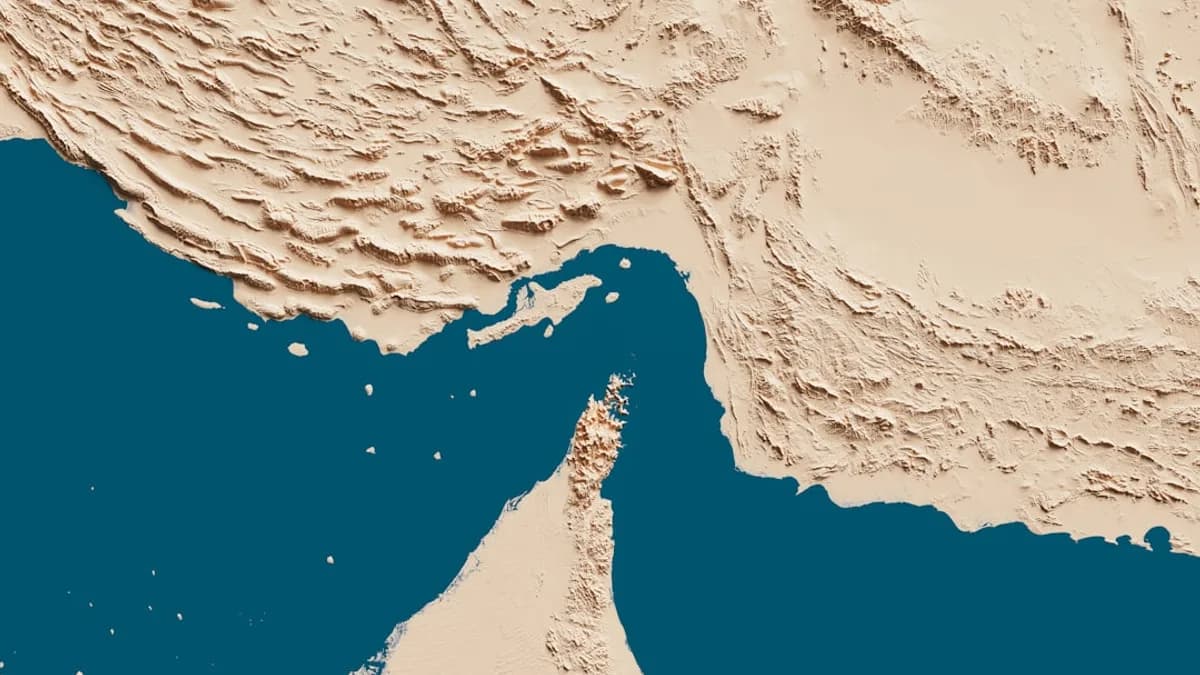
The Strait of Hormuz stands as one of the most critical chokepoints for global oil shipments, with nearly a third of the world’s seaborne crude passing through its narrow waters. Recent weeks have seen heightened tensions in the Middle East, particularly involving Iran, Israel, and Lebanon, which cast uncertainty over the security and accessibility of this strategic maritime corridor. Amid escalating conflict and fears of disruption, Iran’s announcement declaring the Strait "completely open" to all ships came as a pivotal moment, coinciding with a ceasefire brokered between Israel and Lebanon. This move has triggered immediate and far-reaching reactions in global markets, underscoring the immense importance of the Strait’s stability for energy supply chains and financial systems worldwide [Source: Source]. The reopening not only signals a pause in hostilities but also offers a window into how geopolitical events can shape economic outcomes in real time.
Geopolitical Background Leading to the Strait’s Closure and Reopening
The backdrop to the Strait of Hormuz’s reopening is rooted in a series of escalating confrontations between Israel and Lebanon, fueled by longstanding animosities and recent military exchanges. Iran, a key regional actor and ally to Lebanon’s Hezbollah, has frequently leveraged its strategic position at the Strait to exert influence and pressure during periods of conflict. In the days preceding the announcement, threats and sporadic closures of the Strait raised alarm among international observers, given its vital role in global energy transit. Historically, even the possibility of disruption in Hormuz has been enough to send ripples through oil markets, with previous incidents—such as Iranian naval maneuvers or missile attacks—prompting price spikes and heightened security protocols.
The ceasefire agreement, achieved after intense diplomatic negotiations, appears to have been a central factor in Iran’s decision to reopen the Strait. Iranian officials cited the restoration of regional calm and their commitment to international maritime conventions as rationale for allowing all vessels to pass without restriction [Source: Source]. This move is seen as both a gesture of goodwill and a strategic calculation, aiming to reassure global stakeholders while maintaining Iran’s leverage in ongoing regional dynamics. The reopening, therefore, is not merely a logistical adjustment but a signal of Iran’s intent to participate in de-escalation and preserve the flow of commerce—at least for the time being.
Market Reactions: Oil Prices and Stock Market Movements
The reopening of the Strait of Hormuz instantly reverberated through financial markets. Oil prices plunged by a staggering 13%, reflecting a rapid unwinding of risk premiums built up during the closure and conflict escalation [Source: Source]. The benchmark crude price drop was driven by traders anticipating restored supply chains and diminished threat to shipments, with the market quickly recalibrating expectations for both short-term and long-term energy costs.
Simultaneously, the Dow Jones Industrial Average surged by 1,000 points, marking one of the largest single-day gains in recent months [Source: Source]. This rally was fueled by relief among investors, who had braced for prolonged instability and supply shocks. The news of the reopening and ceasefire provided a boost not just to energy stocks but to broader sectors, as confidence in global trade and economic growth prospects temporarily improved.
Notably, prior to the official announcement, traders had placed massive bets on falling oil prices—most prominently a $760 million wager on a price decline, anticipating that diplomatic progress would eventually ease tensions and restore shipping routes [Source: Source]. This speculative activity underscores the volatility and sensitivity of energy markets to geopolitical signals. The broader implications include a renewed sense of stability for major oil importers and a recalibration of risk for institutional investors, many of whom remain acutely aware that the situation could change rapidly should hostilities resume.
Statements from Key Stakeholders and International Responses
Iranian authorities were quick to issue statements affirming the Strait’s "completely open" status, emphasizing their commitment to international shipping norms and maritime security [Source: Source]. The announcement was framed as a demonstration of Iran’s responsible stewardship of the critical waterway and its readiness to cooperate with the global community during the ceasefire.
Reactions from Israel and Lebanon have been mixed but largely positive, with both sides expressing cautious optimism about the potential for lasting peace and stability. Lebanese officials welcomed the reopening as a step towards normalizing commercial activity and reducing regional tensions, while Israeli representatives called for continued vigilance and international monitoring to ensure the ceasefire holds [Source: Source].
The international community, including global energy organizations and major shipping nations, responded with relief and calls for sustained diplomatic engagement. The United States, European Union, and China issued statements supporting the ceasefire and urging all parties to maintain open channels for oil transit. The International Energy Agency highlighted the importance of keeping the Strait accessible, warning that any renewed disruptions could have far-reaching economic consequences [Source: Source]. Diplomatic efforts are now focused on consolidating the ceasefire and establishing mechanisms for ongoing dialogue and maritime security coordination.
Implications for Global Energy Security and Future Outlook
The reopening of the Strait of Hormuz has immediate and profound implications for global energy security. With the bottleneck cleared, oil supply chains are expected to normalize, alleviating concerns about shortages and price spikes. Energy markets, while relieved, remain vigilant; the risks associated with the region—including potential for renewed conflict, sabotage, or political instability—have not disappeared [Source: Source].
Looking ahead, the sustainability of the ceasefire and the openness of the Strait will be critical for maintaining pricing stability. Should the truce falter, or should new threats emerge, markets could rapidly revert to crisis mode. Potential scenarios range from sustained peace and diplomatic progress to renewed hostilities that could once again imperil shipping routes.
International diplomacy and monitoring will play a key role in preventing future disruptions. The establishment of joint maritime patrols, increased transparency, and ongoing engagement between regional powers and global stakeholders are likely to be central to efforts aimed at safeguarding the Strait. As energy dependence on the region persists, the world will remain closely attuned to both the political and logistical realities shaping the flow of oil through Hormuz [Source: Source].
Conclusion: Summary and What to Watch Next
The reopening of the Strait of Hormuz amid the Israel-Lebanon ceasefire marks a significant turning point for both regional stability and global energy markets. The immediate plunge in oil prices and surge in stock indices highlight the interconnectedness of geopolitics and economics, while official statements and international responses point to cautious optimism for sustained peace [Source: Source].
Key indicators to monitor include the durability of the ceasefire, the effectiveness of diplomatic efforts, and the ongoing security of the Strait. Potential flashpoints remain, and the region’s volatility means that markets and policymakers must remain alert to any changes in the status quo.
Ultimately, the events surrounding the Strait underscore the importance of maintaining stability in strategic maritime corridors. As the world continues to rely on the Middle East for energy, the stakes for peace, security, and uninterrupted commerce have rarely been higher. The coming weeks will reveal whether the current calm can be transformed into lasting stability—or whether new challenges lie ahead.