Introduction: The Unfolding Iran Conflict and America's Divided Response
Recent weeks have seen the United States embroiled in a rapidly escalating conflict with Iran, marked by a series of military actions that have pushed the two nations to the brink of open warfare. The initial strikes, justified by former President Donald Trump as necessary for American security, set off a chain reaction of retaliatory threats and heightened global tension. Yet, as the crisis unfolded, one element remained conspicuously absent: a clear, comprehensive explanation of U.S. objectives directly from the Oval Office. Instead of rallying the nation with a unifying vision or strategy, President Trump’s sparse and often ambiguous remarks left Americans guessing about the true rationale behind these actions.
This lack of clarity has not only fueled uncertainty but has also exposed and deepened existing divisions within the American public. Recent polls reveal a populace anxious, skeptical, and increasingly polarized over both the wisdom and the costs of military engagement in Iran [Source: Source]. In this opinion piece, I examine how this communication vacuum, combined with public division, undermines both foreign policy effectiveness and the nation’s ability to weather international crises.
The Communication Void: Trump's Ambiguous War Messaging
Presidential leadership in times of war has historically relied on clear, direct communication to rally support and shape national consensus. In contrast, Trump’s approach to the Iran conflict has been marked by brevity, ambiguity, and at times, contradictory statements. Official addresses have often focused on justifying isolated military actions or issuing threats, with little effort to articulate coherent long-term objectives, exit strategies, or the broader vision guiding U.S. involvement in the region [Source: Source].
This communication void has real consequences. Without a transparent explanation of the stakes and goals, the American public is left to fill in the gaps with speculation, partisan narratives, or outright misinformation. The absence of clear leadership erodes public trust—not just in the president, but in the institutions responsible for national security. Americans are left to wonder: Is this conflict truly in the nation’s interest? What are the risks, and how will success or failure be measured?
The impact of ambiguous messaging is evident in the widespread confusion and skepticism reported in recent polling. Historically, presidents facing international crises—from Franklin D. Roosevelt in World War II to George W. Bush after 9/11—have invested significant political capital in building public consensus. Whether one agreed with their policies or not, their efforts to communicate aims and rally the nation were unmistakable. In contrast, Trump’s reluctance to clearly explain his Iran policy not only fails to build consensus but actively deepens the fractures within American society.
This lack of clarity has not been lost on adversaries or allies, both of whom look to the White House for cues about America’s intentions and resolve. The result is a strategic opacity that breeds anxiety at home and uncertainty abroad, undermining both the legitimacy and effectiveness of U.S. actions on the world stage.
Public Sentiment: Polls Reveal Widespread Skepticism and Anxiety
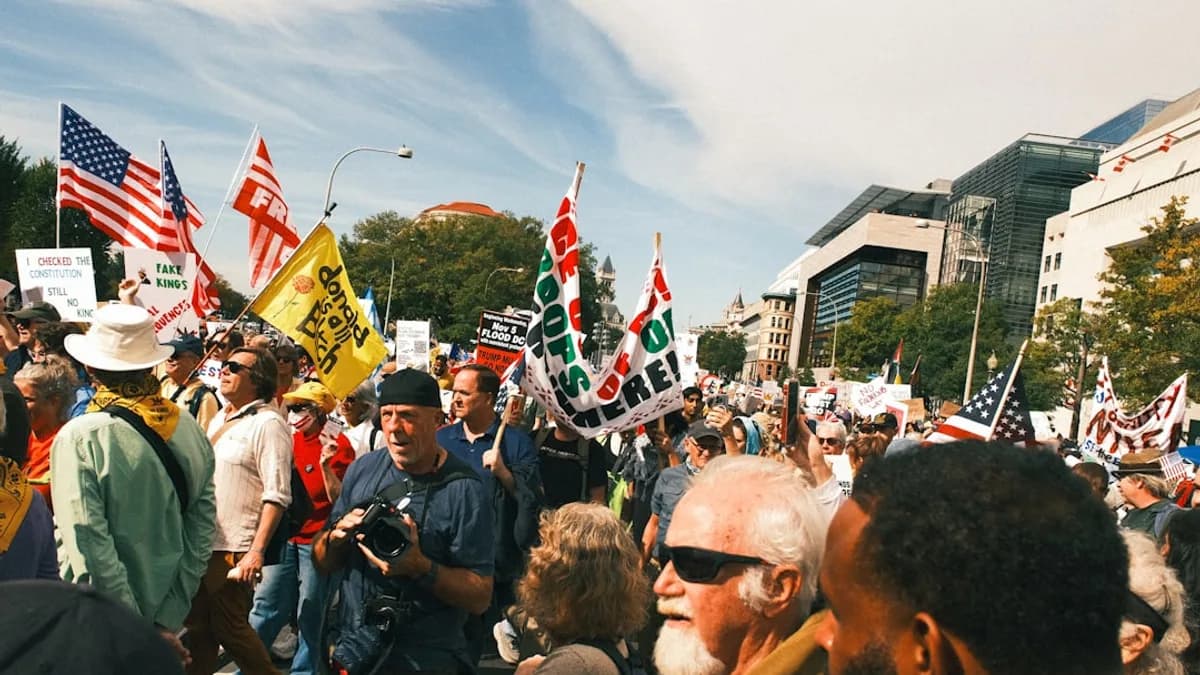
The American public’s response to the Iran conflict has been characterized by apprehension, skepticism, and deep division. Multiple polls conducted in the aftermath of the initial strikes reveal that few Americans believe the stated objectives of the U.S. government are being met. According to a CBS News poll, a significant portion of respondents expressed doubt about the wisdom of military action, with many questioning whether the conflict serves genuine national interests or simply escalates risks unnecessarily [Source: Source].
One of the most immediate concerns for Americans is the economic fallout. Rising gas prices—a direct consequence of instability in the Middle East—have sparked fresh anxieties about household budgets and the broader economy. Reuters reports that worries about inflation and energy costs have become intertwined with broader fears about the direction of U.S. foreign policy, amplifying public frustration [Source: Source]. This economic stress is not distributed equally; lower- and middle-income Americans, who are more vulnerable to price hikes, express higher levels of concern and opposition to further military escalation.
The emotional toll is also pronounced. Ipsos and The Daily Beast surveys highlight widespread feelings of fear, worry, and frustration among Americans as they process the prospect of another protracted conflict. Many respondents cite a sense of déjà vu, recalling the long, costly wars in Iraq and Afghanistan—conflicts that began with similarly vague promises and goals. The psychological scars of those engagements linger, informing public skepticism and dampening enthusiasm for new military ventures.
Demographically, the divides are stark. Younger Americans and those identifying as politically independent or left-leaning are significantly less likely to support military action in Iran. Conversely, older and more conservative respondents show greater willingness to trust the president’s judgment, though even among these groups, support is tepid compared to past wartime moments [Source: Source]. The lack of a clear, unifying narrative from leadership only widens these ideological gaps, making national consensus ever more elusive.
The Consequences of a Divided America on Foreign Policy and National Unity
A nation divided on matters of war faces profound challenges. Public support is not a mere political asset; it is a strategic necessity for any sustained military or diplomatic engagement. When the American populace is deeply split—and when those divisions are exacerbated by ambiguous leadership—the government’s ability to act decisively and credibly on the world stage is compromised.
The current division over Iran policy threatens to erode national unity at a time when cohesion is most urgently needed. Instead of presenting a united front to adversaries and allies alike, the United States risks projecting confusion and vulnerability. This perception can embolden rivals, unsettle partners, and complicate efforts to build effective international coalitions.
Looking ahead, persistent public skepticism and division could shape the contours of future U.S. military and diplomatic actions. Elected officials, acutely aware of the risks of political backlash, may hesitate to commit the resources or make the tough decisions required to resolve international crises. This dynamic not only weakens U.S. influence abroad but also undermines the nation’s ability to adapt and respond to rapidly evolving security threats.
In moments of crisis, effective leadership can bridge divides and foster national solidarity. But absent a compelling vision and transparent communication, the American public is left fragmented, distrustful, and ill-prepared to navigate the complexities of war and peace in the 21st century.
Opinion: The Need for Transparent Leadership and Informed Public Discourse
The current predicament underscores an urgent need for greater transparency and consistency in presidential communication, especially when the stakes are as high as war. Americans deserve—and democracy requires—leaders who articulate clear objectives, acknowledge risks, and level with the public about the challenges ahead. Vague assurances or shifting justifications do little to inspire confidence or unity.
It is not enough for political leaders to act; they must also explain. In times of conflict, the American people are not passive spectators but active stakeholders whose support and understanding are essential to the legitimacy and success of national policy. When leaders fail to provide transparent information, the vacuum is all too often filled by misinformation, partisan spin, and fearmongering. This dynamic not only distorts public debate but can dangerously skew the course of policy itself.
Media and policymakers, too, bear responsibility. Journalists must dig beneath official statements, demand accountability, and provide context that enables citizens to make informed judgments. Policymakers should resist the temptation to exploit division or obfuscate facts for short-term political gain. Instead, they should strive to foster informed, nuanced discussions that respect the intelligence of the American public and the gravity of the moment.
The dangers of polarization are not abstract. When public opinion is shaped more by tribal allegiance than by reasoned deliberation, the nation is vulnerable not just to poor policy but to self-inflicted wounds. Foreign adversaries are quick to exploit these divisions, using disinformation and propaganda to further erode national cohesion. The antidote is not silence or enforced unity, but open, honest, and inclusive dialogue.
Ultimately, the path forward in Iran—and in any crisis—must be built on a foundation of shared understanding and purpose. This is only possible when leaders communicate transparently, the media informs responsibly, and the public engages critically. In an age of rapid information and rampant misinformation, these principles are more vital than ever.
Conclusion: Toward Clarity and Unity in Addressing the Iran Conflict
America’s response to the Iran conflict has been hampered by unclear leadership and a divided public. The absence of transparent communication from the White House has fueled confusion, anxiety, and skepticism—undermining both domestic unity and foreign policy effectiveness. If the nation is to navigate the perils of international conflict, it must demand more from its leaders and itself.
Transparent communication and a commitment to informed public discourse are not merely ideals; they are imperatives for national security and democratic health. As citizens, we must engage critically with unfolding events, hold leaders accountable, and resist the pull of polarization. Only through clarity, unity, and responsible engagement can America hope to resolve its current challenges and emerge stronger on the world stage.