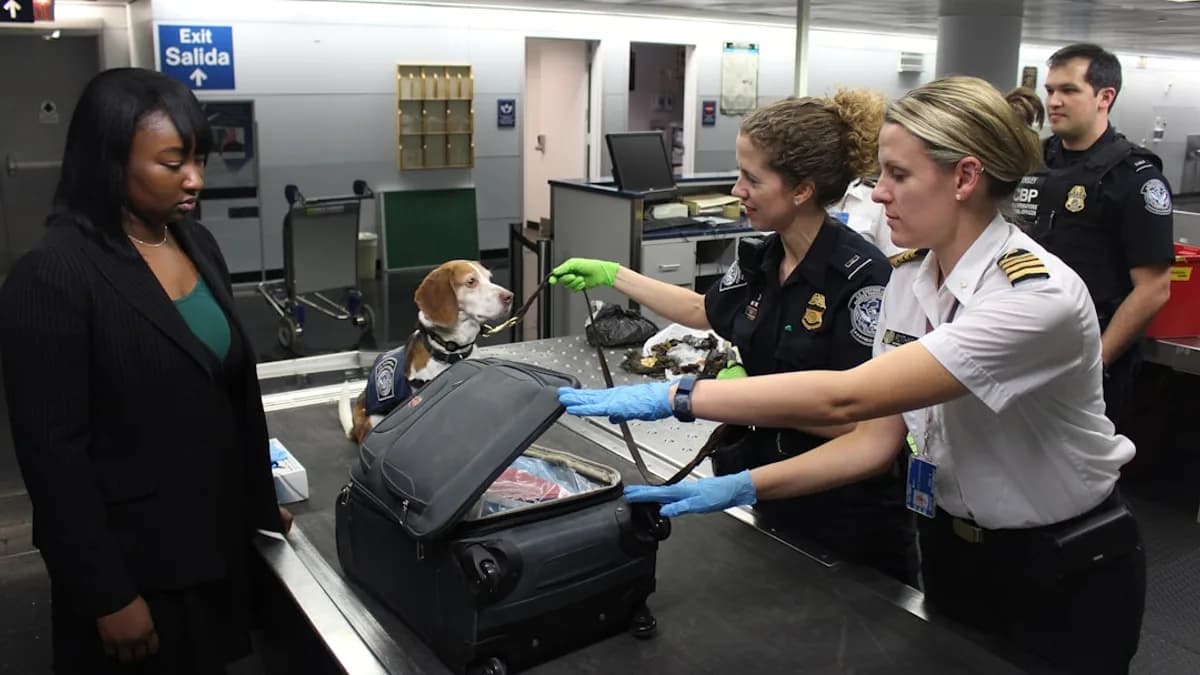
Introduction: Overview of the DHS Order Amid Government Shutdown
The partial shutdown of the U.S. federal government continues to ripple across the country, leaving hundreds of thousands of federal employees in limbo. As negotiations stall in Washington, the Department of Homeland Security (DHS) has taken the unusual step of ordering thousands of furloughed employees back to work. This move comes amid mounting concerns about national security and the basic functioning of government operations, many of which rely on the labor of DHS staff.
The DHS directive underscores the critical roles its workforce plays in maintaining public safety and essential services, even during a shutdown. However, the order also highlights the difficult position many employees face: being required to return to work without a guarantee of timely pay. The situation has become emblematic of the broader challenges facing federal workers and the agencies that depend on them during the prolonged budgetary impasse [Source: Source].
Impact on TSA Workers and Operations
Nowhere are the effects of the shutdown more visible than at airport security checkpoints. At Portland International Airport (PDX) and other airports nationwide, Transportation Security Administration (TSA) workers have been vocal in their appeals for an end to the shutdown. Faced with the dual pressures of increased workloads and delayed paychecks, many TSA officers report mounting financial and emotional stress [Source: Source].
TSA workers are essential to the safe operation of the nation’s airports but, like other DHS employees, have been caught in the crossfire of the shutdown. Many have been required to work without pay, leading to anxiety about making ends meet as bills pile up. In Portland, workers have staged demonstrations, calling attention to their situation and urging lawmakers to find a resolution. "We’re just trying to do our jobs and keep people safe, but it's hard to focus when you don’t know how you’ll pay your rent," one TSA officer at PDX said, reflecting a sentiment echoed across the country [Source: Source].
Last week, some TSA officers received partial back pay, offering a measure of relief but not enough to address their ongoing financial challenges. While the payments covered a portion of what was owed, many workers say it is insufficient given the extended period without regular income. “We appreciate getting something, but it doesn’t cover everything that’s overdue,” said another TSA employee. The uncertainty surrounding future paychecks has left workers feeling vulnerable and frustrated, as the impact of missed rent, mortgage payments, and other bills continues to grow [Source: Source].
The staffing shortages and low morale among TSA officers have also raised concerns about the effectiveness of airport security operations. While the agency has managed to maintain core functions, there are worries that prolonged financial instability could lead to increased absenteeism and operational disruptions, ultimately impacting the traveling public [Source: Source].
Legislative Response and Negotiations
As the shutdown drags on, lawmakers are preparing to return to Washington to resume negotiations. The uncertainty over TSA paychecks has become a flashpoint in the debate on Capitol Hill, with many legislators acknowledging the critical importance of maintaining airport security and other essential services [Source: Source].
The issue of federal employee compensation, particularly for those working without pay, has added urgency to the legislative process. Lawmakers from both parties have cited the situation facing TSA and other DHS employees as a key reason to accelerate efforts to end the shutdown. Several proposals have been floated, ranging from short-term funding measures to commitments to provide full back pay once the government reopens.
However, the path forward remains uncertain. With no clear agreement in sight, the risk of a prolonged shutdown continues to hang over federal workers and the broader public. The outcome of these negotiations will play a decisive role in determining not only when employees receive their full compensation but also the long-term stability of critical government operations [Source: Source].
Back Pay and Financial Relief for DHS Employees
In a move aimed at providing some financial relief, DHS employees are set to begin receiving back pay starting Friday, according to reports from Federal News Network [Source: Source]. This long-awaited development offers hope to thousands of furloughed workers who have struggled to meet their financial obligations during the shutdown.
Back pay is intended to compensate employees for the wages they missed while furloughed or working without pay. For many, the arrival of these funds will help address overdue bills, rent, and other pressing expenses. However, the prospect of back pay does not erase the difficulties experienced during the shutdown. The unpredictable nature of government funding and recurring threats of future shutdowns have left many workers feeling insecure about their financial futures.
Despite the promise of back pay, some challenges remain. The process of disbursing funds can be slow and complicated, with variations depending on agency and employment status. Additionally, employees who have had to rely on credit cards, loans, or other forms of short-term borrowing may face additional financial burdens, including interest and fees accrued during the period without pay. “The back pay helps, but it doesn’t undo the damage,” noted one DHS employee. “We need more than a temporary fix; we need stability” [Source: Source].
Conclusion: Outlook and Ongoing Challenges
The current state of the government shutdown and the DHS order requiring employees to return to work highlight the ongoing challenges faced by federal workers and the agencies that rely on them. While the promise of back pay offers some relief, it does not resolve the broader issues of job security and financial stability for thousands of affected employees.
TSA workers and other DHS staff remain on the front lines, performing vital roles under difficult circumstances. Their experiences serve as a stark reminder of the human cost of political gridlock. As negotiations continue in Washington, the urgency of finding a lasting solution grows with each passing day. The well-being of federal employees—and the effective functioning of essential government services—depend on a prompt and comprehensive end to the shutdown [Source: Source].