Breaking News: Fatal Shooting at Mexico’s Teotihuacán Pyramids
A shocking burst of gunfire shattered the calm at one of Latin America’s most iconic archaeological sites on Saturday. A gunman opened fire near the ancient pyramids of Teotihuacán, a UNESCO World Heritage site just outside Mexico City, killing a Canadian tourist and injuring at least six others, according to Mexican authorities [Source: Source]. Emergency services responded swiftly to the scene, which is typically thronged with international visitors eager to explore the ruins of a civilization predating the Aztecs. As police cordoned off the area and launched an immediate investigation, the incident sent ripples of concern through Mexico’s vital tourism sector and raised serious questions about visitor safety at the country’s most treasured landmarks.
The Teotihuacán pyramids, famed for their monumental scale and mysterious origins, have long symbolized Mexico’s rich cultural heritage. Saturday’s violence marks an unprecedented breach of security at a site that draws more than 2.5 million tourists annually. While authorities work to piece together the events leading up to the attack, the shooting has already reignited debate over the risks faced by international travelers in Mexico—a nation where tourism is both a backbone of the economy and, increasingly, a stage for tragic headlines.
Details of the Incident: What Happened at the Historic Site
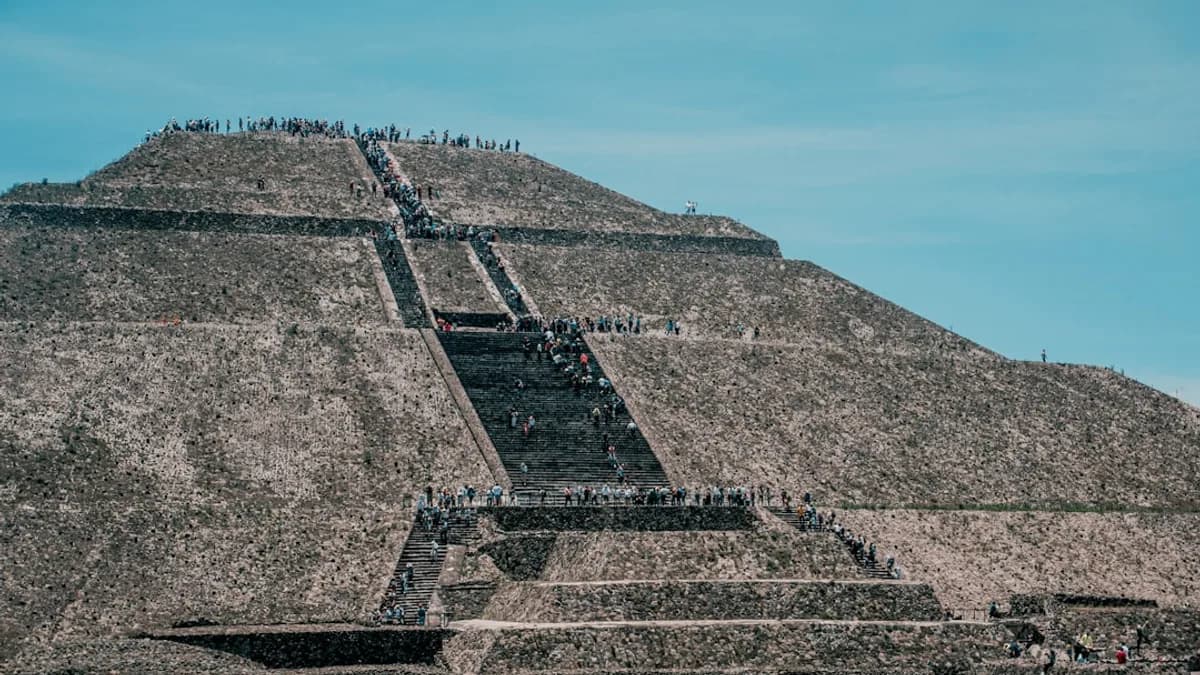
The attack unfolded in broad daylight, turning a popular site for history buffs and families into a scene of chaos and fear. According to local reports, the gunman began shooting near the entrance to the Pyramid of the Sun, the largest structure at Teotihuacán, at a time when the area was bustling with visitors [Source: Source]. Initial statements from the State of Mexico’s Attorney General’s office confirmed that a Canadian woman was killed instantly, while six other people—including both Mexican nationals and foreign tourists—sustained varying degrees of injuries.
Eyewitnesses described scenes of panic as tourists scrambled for cover, some seeking refuge behind ancient stonework, others running toward security personnel for help. Authorities have not released the names or detailed conditions of the wounded, but officials noted that emergency medical teams transported the injured to nearby hospitals, where they are reportedly receiving treatment [Source: Source]. As for the perpetrator, conflicting accounts have emerged: some witnesses claim the shooter fled on foot, while others suggest he may have had an accomplice waiting in a getaway vehicle. By Saturday evening, law enforcement had yet to confirm any arrests, and a manhunt was underway in the surrounding region.
Mexican officials were quick to condemn the violence, with the Ministry of Culture pledging full cooperation with investigators and reaffirming its commitment to the safety of visitors at all national heritage sites. The immediate area around the pyramids was sealed off as forensic teams scoured for evidence, and police checkpoints were established on nearby roads in hopes of intercepting the suspect or suspects involved.
Profile of the Victims: Canadian Tourist and Others Affected
The victim who lost her life has been identified as a Canadian woman, though authorities have not yet released her name out of respect for her family’s privacy [Source: Source]. Canadian consular officials are reportedly in contact with local authorities and the victim’s relatives, offering support and assistance. The shooting also left six others injured, a group that reportedly includes both Mexican citizens and other international tourists, though their nationalities have not been fully disclosed.
For the families affected, the tragedy is compounded by the shock of violence striking at a place synonymous with wonder and discovery. The Canadian government issued a statement expressing condolences and pledging to provide consular support to all Canadian nationals involved. In Mexico, the incident has rattled the local tourism community, which relies heavily on the steady influx of foreign visitors to sustain jobs and local economies around heritage sites. Tour guides, vendors, and hospitality workers at Teotihuacán expressed heartbreak and concern, noting that the incident threatens both livelihoods and the sense of safety that underpins the tourism experience.
Statements from both Canadian and Mexican officials have emphasized a commitment to justice and to ensuring the well-being of those affected. The Embassy of Canada in Mexico City has established a hotline for families seeking information, while Mexican authorities have promised to keep foreign governments informed as the investigation progresses.
Security and Safety Concerns at Mexican Tourist Destinations
The shooting at Teotihuacán is not an isolated event but part of a broader pattern of security challenges facing major tourist sites across Mexico. While violence at world-renowned archaeological zones is rare, the country has struggled for years to contain organized crime and sporadic acts of violence, especially in regions frequented by international travelers [Source: Source]. In recent years, high-profile incidents in destinations such as Cancún, Acapulco, and Playa del Carmen have prompted governments worldwide to periodically update travel advisories for Mexico.
Teotihuacán itself has historically been considered a safe destination, with robust security measures including on-site police, surveillance cameras, and strict entrance protocols. Yet, as Saturday’s events demonstrate, even sites with strong security infrastructure are not immune to sudden acts of violence. Experts point out that Mexico’s overall homicide rate remains among the highest in the world, and while the vast majority of incidents do not involve tourists, the psychological impact on travelers’ perceptions can be significant.
Tourism is a critical pillar of Mexico’s economy, representing nearly 8% of GDP and supporting millions of jobs. The government has invested heavily in improving safety at key attractions, launching initiatives such as the “Tourist Security Battalion” deployed in Quintana Roo and ramping up police presence at other high-traffic sites [Source: Source]. However, experts warn that isolated attacks—particularly those involving foreign nationals—can quickly erode confidence and trigger a chilling effect on travel bookings.
International organizations, including the United Nations World Tourism Organization, have called on Mexico to redouble efforts to ensure the security of both visitors and local communities. The challenge, they note, is to strike a balance between providing a welcoming, accessible experience and maintaining the vigilance required in an era of unpredictable threats.
Implications for Tourism and International Relations
The immediate fallout from the Teotihuacán shooting is likely to be felt across Mexico’s tourism sector, which is already grappling with the lingering effects of the COVID-19 pandemic and a patchwork of regional safety concerns. Industry analysts predict a measurable dip in bookings, particularly from Canadian and other North American travelers, as news of the attack circulates through international media [Source: Source]. Travel agents and tour operators may see a surge in cancellations or demands for enhanced security guarantees at archaeological and cultural sites.
The Canadian government swiftly updated its travel advisory for Mexico, urging citizens to exercise increased caution and to monitor developments closely. Diplomatic channels between Ottawa and Mexico City are reportedly active, with both sides emphasizing the importance of maintaining open communication and supporting the investigation.
More broadly, incidents like this can test the resilience of bilateral ties. While Canada and Mexico have enjoyed robust diplomatic and economic relations under frameworks such as the United States-Mexico-Canada Agreement (USMCA), the safety of citizens abroad remains a top priority—and a potential flashpoint—when tragedies occur. Experts suggest that both countries may consider additional joint initiatives focused on tourism security, information sharing, and crisis management in the wake of this attack.
Ongoing Investigation and What to Expect Next
As of Sunday, the investigation into the Teotihuacán shooting is being led by the State of Mexico’s Attorney General’s office, in coordination with federal law enforcement and specialized crime scene units [Source: Source]. Authorities are pursuing multiple leads, including the possibility that the gunman targeted the victims for personal reasons or as part of a broader criminal scheme. Investigators are reviewing security camera footage, interviewing witnesses, and collecting forensic evidence from the scene.
While officials have not ruled out any motive, early statements suggest that the attack does not appear to be linked to organized crime groups operating in the region. However, analysts caution that premature conclusions could hinder the investigation’s progress. Law enforcement agencies have urged the public to come forward with any information related to the suspect’s identity or movements before and after the shooting.
Updates are expected in the coming days as authorities vet new evidence and pursue leads. In the meantime, both local and federal officials face mounting calls to review and strengthen security protocols at all major tourist attractions. Advocacy groups and tourism industry representatives are pushing for a comprehensive review of access controls, emergency response procedures, and the deployment of additional security personnel at sites of cultural significance.
Conclusion: Reflecting on Safety and the Future of Cultural Tourism in Mexico
The fatal shooting at Teotihuacán stands as a grim reminder that even the world’s most revered heritage sites are not immune to violence. As authorities work to bring the perpetrator to justice, the immediate priority remains supporting the victims and their families, and restoring a sense of safety for all who travel to experience Mexico’s cultural treasures.
Ultimately, the resilience of Mexico’s tourism sector will hinge on the nation’s ability to reassure travelers, adapt security practices, and foster international cooperation in the face of adversity. For now, the tragedy serves as both a call to action and an opportunity—to reaffirm the importance of safety, to honor the memories of those lost, and to ensure that history’s wonders remain places of discovery, not danger, for generations to come.