



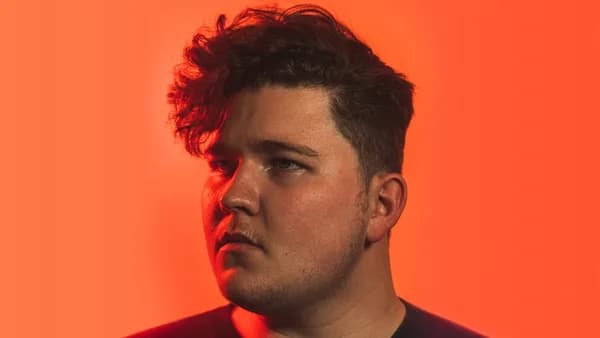
Shockwaves in Music and Law: D4vd Arrested on Suspicion of Teen’s Murder
The arrest of rising music star D4vd on suspicion of murdering a 14-year-old girl has sent tremors through both the entertainment industry and the broader public. The allegations—centered on the discovery of a teenager’s body in the trunk of D4vd’s Tesla—have upended the narrative of a young artist on the cusp of mainstream success. As police and prosecutors reveal more details and the case draws intense media scrutiny, the intersection of celebrity, justice, and tragedy demands careful examination.
Police Narrative Unfolds: What We Know So Far
Authorities in Los Angeles have confirmed that D4vd, the 19-year-old musician whose melodic R&B tracks propelled him to viral stardom, was arrested this week after a 14-year-old girl was found dead in the trunk of his car [Source: Source]. The LA County District Attorney’s office is poised to charge D4vd with first-degree murder, describing the incident as “horrific” and emphasizing the seriousness of the evidence [Source: Source].
The arrest itself was dramatic—bodycam and bystander footage captured D4vd being surrounded by police with drawn weapons, underscoring the gravity with which law enforcement handled the situation [Source: Source]. These visuals, rapidly disseminated by major news outlets, have fueled speculation and debate online, with some fans expressing disbelief and others calling for due process.
According to statements from the district attorney and police, the deceased teenager was identified after being discovered during a routine traffic stop. While authorities have not yet released key forensic findings or a possible motive, the fact that the victim was found concealed in D4vd’s vehicle has led prosecutors to pursue the most serious possible charges.
D4vd’s Meteoric Rise—and the Industry’s Reckoning
D4vd, whose real name has not been officially released in connection with the charges, burst onto the scene in 2022 with viral hits on TikTok and Spotify. His blend of soulful vocals and introspective lyrics won him a devoted Gen Z fanbase and drew comparisons to genre-bending contemporaries like Billie Eilish and The Kid LAROI.
This context makes the allegations all the more shocking. The music industry is no stranger to controversy—ranging from the legal troubles of artists like XXXTentacion and Tekashi 6ix9ine to the more indirect scandals involving managers and promoters. But allegations of this gravity, involving a murder charge and a minor victim, are rare and have historically led to swift career consequences.
For example, the arrest of rapper Tay-K on murder charges in 2017 sent ripples through hip-hop and prompted streaming platforms to reconsider how they promote artists facing serious allegations. Similarly, the aftermath of R. Kelly’s conviction has forced labels and streaming services to adopt more robust ethical guidelines. D4vd’s case, involving both the youth of the accused and the victim, could catalyze even deeper industry introspection.
Legal and Social Implications: Presumption of Innocence in the Spotlight
D4vd’s arrest has reignited perennial debates about the presumption of innocence—especially when high-profile individuals are involved. Public opinion can turn swiftly; social media platforms amplify both outrage and speculation long before a trial begins. In high-profile cases, this can complicate jury selection and raise questions about whether the accused can receive a fair hearing.
Legal experts caution against conflating arrest with guilt. While the DA’s office has signaled confidence in its case, the American legal system is predicated on the principle that one is innocent until proven guilty. Defense attorneys in past celebrity cases have leveraged both procedural challenges and the intense media environment to argue for dismissals or reduced charges.
The involvement of a minor victim adds an additional layer of complexity. Prosecutors are likely to pursue the harshest penalties, while defense teams may scrutinize every aspect of the investigation for procedural missteps or exculpatory evidence. Any missteps by law enforcement—such as violations of search and seizure protocols—could become focal points for the defense.
The Role of Social Media: Amplifying Both Empathy and Outrage
This case also highlights the increasingly pivotal role of social media in shaping both the narrative and the public response. Within hours of D4vd’s arrest, hashtags related to the case trended across Twitter, TikTok, and Instagram. Fans, advocacy groups, and even other artists weighed in, with some expressing sympathy for both the victim and the accused, while others called for accountability and justice [Source: Source].
For the music industry, the stakes are high. Labels, streaming services, and sponsors must now weigh whether to pause or sever ties with D4vd pending the outcome of the case. This echoes recent decisions by companies like Spotify to remove artists from editorial playlists in response to serious criminal allegations—a trend that reflects both corporate risk management and shifting consumer expectations.
Historical Parallels and Industry Lessons
While rare, the arrest of high-profile artists on violent crime charges is not unprecedented. The music industry’s response has evolved—consider the backlash and rapid career fallout following Chris Brown’s 2009 arrest for assault, or the protracted legal battles that defined Michael Jackson’s later years.
Yet, D4vd’s case stands out for its timing and the nature of the allegations. As a teenage artist with a massive online following, D4vd’s rise was intertwined with the democratizing power of social media and digital distribution. His fall, if the charges are upheld, could become a cautionary tale about the interplay of celebrity, accountability, and the speed at which reputations can unravel in the digital age.
Industry insiders are already discussing the potential ramifications: Will labels increase background checks and oversight of young artists? Might streaming platforms adopt stricter content guidelines or implement new crisis protocols? The case could also spark broader conversations about mental health, the pressures of stardom, and the responsibilities of those who mentor or manage teenage talent.
Next Steps: What to Watch As the Case Develops
As the legal process unfolds, several key questions remain:
- Will further evidence, such as forensic results or digital communications, clarify the circumstances surrounding the victim’s death?
- How will D4vd’s legal team approach the case—will they argue for bail, seek a plea deal, or prepare for a high-profile trial?
- What role will fan mobilization and public opinion play in shaping the court of public perception—and could this impact the actual proceedings?
For now, D4vd remains in custody, and the district attorney’s office is moving swiftly to file formal charges. The music industry, meanwhile, is bracing for fallout, with many bracing for potential ripple effects on how young stars are promoted, managed, and supported.
Looking Ahead: A Pivotal Moment for the Music Industry and Justice System
The tragic death of a teenager, and the shocking arrest of a rising artist, is a stark reminder of the unpredictable intersections between fame, youth, and the law. As the story develops, both the music industry and the broader public will face tough questions about accountability, ethics, and the limits of celebrity culture.
For music fans and industry professionals alike, the D4vd case is not just about one artist’s fate—it is a lens through which we can examine the pressures of early stardom, the power of digital platforms, and the ongoing evolution of justice in the spotlight. How the legal system, the industry, and the public respond to this case may well shape norms and expectations for years to come.