Introduction: The High Stakes of UFC 327’s Main Event
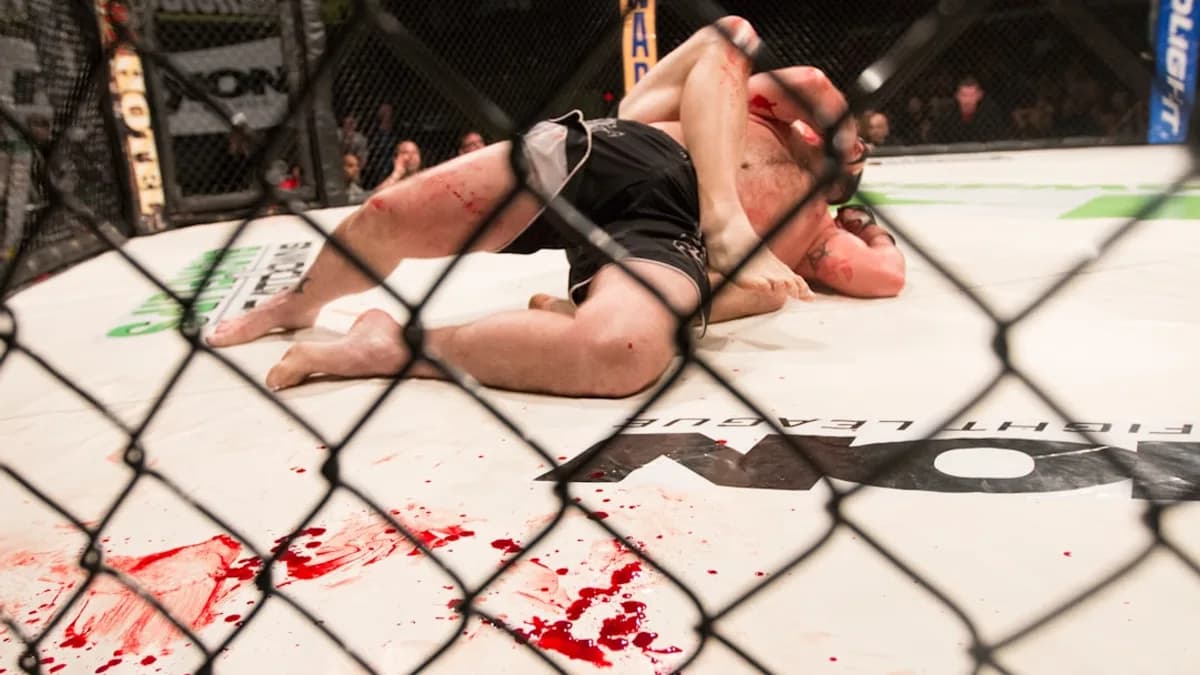
UFC 327 was billed as a showcase of heavyweight power, but few anticipated the sheer brutality unleashed in the main event between Curtis Blaydes and Josh Hokit. The matchup was a collision between established talent and a surging newcomer, both eager to stake their claim in a division hungry for fresh narratives. What transpired was more than just a test of skill—Blaydes suffered a fractured orbital and nose, stark reminders of the physical cost of elite mixed martial arts competition [Source: Source]. As the dust settles, the aftermath of this fight raises pressing questions not only about the direction of the heavyweight division but also about the fundamental balance between glory and risk in the UFC.
The Physical Toll: Blaydes’ Fractured Orbital and Nose
Curtis Blaydes has long been recognized as one of the UFC’s most durable and resilient heavyweights. Yet even for a veteran of his caliber, the punishment he absorbed against Josh Hokit was extraordinary. Reports confirm that Blaydes emerged from UFC 327 with a fractured orbital bone and a broken nose [Source: Source]. These injuries aren’t mere battle scars; they carry significant consequences both in the short term and for Blaydes’ long-term health.
Orbital fractures can threaten vision and require lengthy recovery periods. A broken nose, though common in combat sports, can also hinder breathing and increase susceptibility to future injuries. For fighters whose careers depend on physical resilience, such setbacks can be pivotal. Blaydes now faces the challenge of rehabilitation, uncertain timelines for his return, and the psychological hurdles that come with major injuries.
More broadly, the fight underscores the inherent risks fighters willingly accept each time they step inside the octagon. UFC athletes train for years to withstand punishment, but no amount of conditioning can fully mitigate the damage from heavy strikes. The cumulative effect of such injuries—especially in a division where every punch carries knockout potential—can shorten careers and leave lasting health concerns. For Blaydes, the road ahead is now defined by recovery as much as competition, and his experience serves as a sobering reminder of the toll that high-profile matchups can exact on even the sport’s toughest competitors.
Josh Hokit’s Rise: UFC’s Next Big Thing?
If Blaydes’ injuries highlight the sport’s dangers, Josh Hokit’s performance at UFC 327 signals its promise. Hokit’s victory was not just a win—it was a statement. He demonstrated striking prowess, composure under pressure, and the ability to seize the moment against a top-tier opponent. The UFC responded accordingly: Hokit doubled up on post-fight bonuses, walking away with $200,000 in extra payouts [Source: Source]. Such financial rewards are reserved for standouts, and they mark Hokit as a fighter to watch.
Hokit’s ascent is particularly significant in the context of the heavyweight division. Historically dominated by a handful of names, the division has struggled to produce new stars with staying power. Hokit’s arrival injects much-needed vitality, and his aggressive style promises exciting matchups for fans. The UFC’s willingness to reward him so generously suggests confidence in his marketability and potential to attract audiences.
This win—and its aftermath—may reshape the competitive landscape. With Blaydes sidelined, Hokit has an opening to climb the ranks and challenge for bigger opportunities. The UFC’s heavyweight roster is evolving, and Hokit’s emergence could catalyze new rivalries, fresh narratives, and an uptick in division-wide excitement. For fans and promoters alike, his breakout at UFC 327 is less an isolated event than the beginning of a new era.
The Culture of Violence and Reward in UFC
The UFC’s business model thrives on spectacle. Brutal, high-stakes fights generate headlines, attract viewers, and drive pay-per-view sales. In the aftermath of UFC 327, this dynamic was on full display: while Blaydes nursed fractured bones, Hokit celebrated substantial bonuses, and the event itself was lauded for its thrilling action [Source: Source]. This juxtaposition raises uncomfortable questions about the sport’s culture of violence and reward.
On one hand, fighters know the risks. They are compensated for their willingness to endure punishment, and the UFC’s bonus system incentivizes performances that captivate audiences. Yet, the structure also encourages high-risk behavior. Financial incentives can push athletes to fight through injuries, take dangerous chances, or return to competition before fully recovering—all in pursuit of short-term glory and paydays.
Is the UFC striking the right balance between entertainment and athlete safety? The organization has made strides in medical screening and post-fight care, but events like UFC 327 spotlight persistent gaps. Severe injuries are often treated as badges of honor rather than warning signs. Promotions celebrate knockout finishes and dramatic moments, sometimes overshadowing the very real consequences for those involved.
Ethically, this approach is fraught. Promoting bouts that are likely to produce serious injuries, while simultaneously rewarding such outcomes, creates a feedback loop that prioritizes violence over athlete welfare. The UFC’s challenge is to maintain the excitement that fans crave without crossing into exploitation. As the sport grows, so too does the responsibility to protect those who put their bodies—and futures—on the line. Ensuring fighters have access to comprehensive medical care, transparent recovery protocols, and support beyond the cage should be as much a priority as delivering memorable events.
What This Fight Means for UFC Fans and the Sport’s Future
For UFC fans, the Blaydes vs. Hokit main event delivered the kind of drama and intensity that make MMA compelling. Social media and forums were abuzz with admiration for Hokit's dominance and concern for Blaydes’ injuries. The spectacle of a brutal slugfest, complete with post-fight payouts and narrative twists, is central to the UFC’s brand. Yet, this fight also prompts deeper reflection among the sport’s community.
Fans increasingly recognize the stakes involved in these showdowns. While many celebrate the action, there’s a growing call for greater transparency around fighter health and recovery. As the UFC continues to promote high-octane matchups, it faces mounting pressure to ensure that entertainment does not come at the expense of long-term athlete safety.
Fights like UFC 327 shape perceptions of the sport—both its appeal and its risks. They reinforce the UFC’s reputation for delivering unforgettable moments, but also highlight the urgent need for reform. Enhanced safety protocols, mandatory medical suspensions, and more robust support systems for injured fighters are emerging as priorities for advocates and regulators. As the UFC evolves, its ability to adapt to these concerns will determine its legacy and sustainability.
Conclusion: Balancing Glory and Risk in Mixed Martial Arts
The aftermath of UFC 327 is a microcosm of mixed martial arts at its most exhilarating and most perilous. Curtis Blaydes’ fractured orbital and nose illuminate the physical dangers that come with chasing greatness, while Josh Hokit’s star-making performance underscores the potential rewards that await those who succeed [Source: Source]. The UFC stands at a crossroads, tasked with preserving the spectacle that drives its popularity while safeguarding the athletes who make it possible.
Ultimately, the sport’s future hinges on striking a balance between glory and risk. Fighters deserve recognition for their courage, but they also need robust protections to ensure their well-being beyond the cage. As fans, promoters, and athletes grapple with these realities, the UFC’s next chapter will be defined by its commitment to both entertainment and ethical responsibility. Only then can mixed martial arts thrive—not just as a spectacle, but as a sport that champions the welfare of those who make it extraordinary.