Introduction: Overview of the Strait of Hormuz and Recent Incident
The Strait of Hormuz is one of the world’s most critical maritime chokepoints, with about a fifth of global oil consumption passing through its narrow waters each day. Its strategic importance makes it a flashpoint for geopolitical tensions, particularly between the United States, Iran, and other regional and global actors.
Recently, a Chinese oil tanker, sanctioned by the United States for alleged links to Iranian oil exports, managed to traverse the Strait of Hormuz despite an ongoing US naval blockade. This bold move has heightened already simmering tensions in the region and underscored the challenges of enforcing sanctions in such a vital and contested waterway. The incident has also put a spotlight on the growing complexity of global energy security and the fragile balance of power in the Persian Gulf [Source: Source].
Background: US Sanctions and the Hormuz Blockade
The United States has imposed stringent sanctions on a range of Chinese tankers and other vessels tied to Iran’s oil industry. These sanctions are aimed at curtailing Iran’s oil exports, the country’s primary source of revenue, as part of Washington’s broader “maximum pressure” campaign against Tehran. Chinese shipping companies have frequently found themselves in Washington’s crosshairs for allegedly facilitating Iranian oil trades in violation of US and international sanctions [Source: Source].
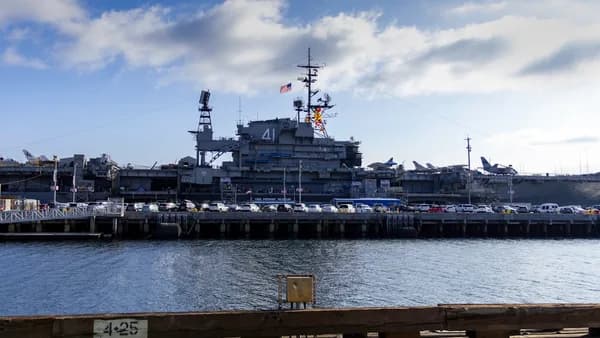
To enforce these economic measures, the US has deployed naval forces to the Persian Gulf, establishing a de facto blockade of Iranian-linked shipping in and around the Strait of Hormuz. The blockade involves heightened surveillance, patrols, and at times, the boarding of vessels suspected of violating sanctions. The stated objective is to restrict the flow of sanctioned Iranian oil and deter third-party actors, such as Chinese or Russian tankers, from enabling Iran’s export activities.
This latest escalation follows years of fraught US-Iran relations, particularly after the US withdrew from the 2015 nuclear deal and reimposed sanctions on Tehran. Previous incidents in the region have included the seizing of oil tankers, sabotage attacks, and periodic military standoffs. The blockade is not only a tool of economic warfare but also a flashpoint for potential military confrontation, with both sides regularly accusing each other of provocative actions in the crowded and strategically vital waterway [Source: Source].
The Chinese Tanker Incident: What Happened?
Against this tense backdrop, a Chinese tanker under US sanctions made headlines by crossing the Strait of Hormuz, defying the American naval blockade. According to shipping data and multiple news reports, the vessel successfully transited the strait and entered international waters, carrying a cargo believed to be linked to Iranian oil exports [Source: Source].
The tanker's journey was closely monitored by global shipping trackers and regional navies. Despite the presence of US and allied naval forces in the area, the vessel avoided interception, raising questions about the practical limits of the blockade and the evolving tactics of sanctioned ship operators. The incident was quickly confirmed by satellite imagery and automatic identification system (AIS) data, which showed the tanker’s route through the strait.
China’s response was swift and pointed. Chinese officials condemned the US blockade, describing it as an unlawful interference with international shipping and trade. They reiterated Beijing’s opposition to unilateral sanctions and signaled support for continued commercial engagement with Iran, despite US pressure [Source: Source]. The incident has thus become not just a test of US sanctions policy, but a symbol of China’s willingness to challenge American dominance in maritime security and global energy logistics.
Geopolitical Implications and Reactions
The transit of the sanctioned Chinese tanker through the Strait of Hormuz has far-reaching geopolitical implications. For the United States, the incident highlights the limitations of its sanctions enforcement and naval blockade, especially when confronted by determined state actors like China. The US is now faced with the challenge of maintaining credibility while avoiding escalation with both China and Iran [Source: Source].
From China’s perspective, the successful transit is a demonstration of its resolve to protect its commercial interests and resist what it views as US overreach. Beijing’s strong rhetoric following the incident underscores the growing rivalry between the two powers, not just in the South China Sea or Taiwan Strait, but now extending to the heart of the Middle East’s energy corridors.
Iran, for its part, sees the event as a victory against US efforts to isolate its economy. Tehran has long relied on clandestine methods and foreign partners to keep its oil exports flowing. The Chinese tanker’s passage serves as a public rebuke to Washington’s pressure campaign and may embolden other actors to test the blockade.
Other regional players, such as India, are watching developments with growing concern. India, a major importer of both Iranian and Russian oil, faces heightened uncertainty as US pressure on energy flows intensifies. European nations and global maritime organizations have also expressed unease, warning that freedom of navigation and the stability of global energy supplies are at risk [Source: Source].
The incident is also a test case for international maritime law. While the US argues that its sanctions are justified under domestic and international frameworks, critics contend that the blockade sets a dangerous precedent for unilateral enforcement in international waters. This could encourage similar actions by other powers, further destabilizing global shipping norms and raising the risk of miscalculation or conflict.
Energy Market Impact and Regional Concerns
The US blockade and sanctions regime has already sent ripples through global energy markets. The successful transit of a sanctioned Chinese tanker through the Strait of Hormuz signals that some oil exports are still slipping through, but overall uncertainty is driving up premiums and volatility in oil prices [Source: Source].
India, in particular, has been hard hit. Just as the US blockade intensified, waivers that had allowed India to continue purchasing discounted Russian oil expired, squeezing the country’s energy options. Indian refiners now face the dual challenge of rising prices and dwindling supply sources, heightening energy insecurity and stoking concerns about inflation and economic growth [Source: Source].
Other Asian and European importers are similarly affected. The Strait of Hormuz remains the lifeline for much of the world’s oil and liquefied natural gas exports. Any disruption, whether through sanctions enforcement or military confrontation, could have immediate global repercussions. Energy analysts warn that continued tensions in the strait could push prices higher, disrupt supply chains, and even trigger broader economic instability if the situation escalates.
Furthermore, the incident has exposed the patchwork nature of sanctions enforcement. As countries like China and India seek to diversify their energy sources and maintain economic growth, they may be increasingly willing to test the boundaries of US-led restrictions. This dynamic increases the risk of friction, not just between the US and its adversaries, but also with allies who depend on stable energy flows from the Gulf [Source: Source].
Conclusion: What’s Next for the Strait of Hormuz and Global Energy Security?
The Chinese tanker’s passage through the Strait of Hormuz amid a US naval blockade is a stark reminder of the region’s enduring volatility and the limits of unilateral sanctions enforcement. The incident has laid bare the challenges facing global energy security at a time of heightened geopolitical rivalry and economic uncertainty [Source: Source].
Looking ahead, the US may seek to tighten enforcement, but the risk of escalation or unintended conflict remains high. Regional players and global importers will likely push for diplomatic solutions to avert a crisis that could destabilize not just the Middle East, but the wider world economy.
Ultimately, the situation underscores the need for renewed international dialogue and cooperation to ensure freedom of navigation, respect for international law, and the uninterrupted flow of energy resources through one of the world’s most vital maritime arteries. The stakes—for governments, businesses, and consumers alike—could not be higher.