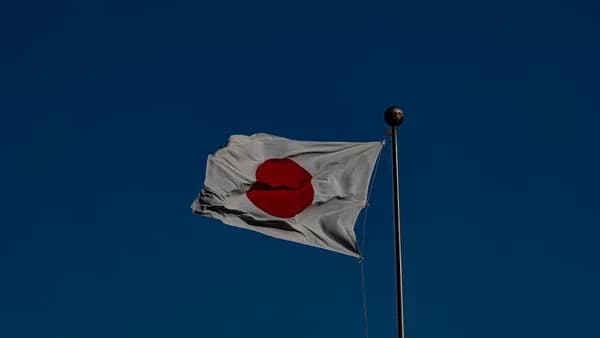
Introduction: Understanding the Strategic Importance of US-Philippines-Japan Joint Military Drills
As tensions simmer in the South China Sea and global attention pivots between Asia and the Middle East, the recent joint military drills involving the United States, the Philippines, and Japan have captured international scrutiny for good reason. China’s sharp warning that these exercises risk eroding regional trust highlights the delicate balance of power in Asia-Pacific, where long-standing territorial disputes and shifting alliances continue to redraw the strategic map [Source: Source]. For policymakers, analysts, and regional actors, understanding and managing the impact of these drills is more than a military concern—it's a diplomatic imperative. This how-to guide provides a strategic framework for analyzing, interpreting, and communicating the implications of trilateral military exercises, offering actionable insights for those navigating this complex security landscape.
How to Analyze the Strategic Objectives Behind the US-Philippines-Japan Military Exercises
To make sense of the joint military drills, start by dissecting the strategic objectives of each participant. For the United States, these exercises serve a dual purpose: reinforcing its commitment to Asian allies and deterring potential adversaries, especially as Washington’s strategic bandwidth is stretched by crises in places like Iran [Source: Source]. By demonstrating its ability to multitask globally, the US reassures regional partners that its security guarantees remain credible despite distractions elsewhere.
For the Philippines, hosting large-scale exercises with two major powers signals its resolve to defend its territorial claims in the South China Sea. The drills are not just about military readiness—they’re a diplomatic signal, underscoring Manila’s alignment with likeminded partners amid growing Chinese assertiveness. The Philippines has faced increasing pressure from Chinese vessels near disputed reefs, making these drills both a message of deterrence and a test of its defense relationships.
Japan’s involvement marks a significant evolution in its postwar security stance. Traditionally constrained by its pacifist constitution, Tokyo’s participation illustrates its willingness to play a more assertive regional role. This aligns with Japan’s recent rearmament efforts and desire to safeguard critical sea lanes that are vital for its energy imports and economic wellbeing. For Japan, the joint exercises are as much about building operational interoperability as they are about signaling strategic intent.
From a military perspective, these drills focus on enhancing joint operational capabilities—such as amphibious assaults, air operations, and cyber defense—critical for responding to gray-zone provocations or outright conflict. Diplomatically, the exercises serve as carefully calibrated messaging to China and other regional actors that the trilateral alliance can act in concert, and that any attempt to alter the status quo by force will be met with a unified front.
The timing is equally telling. With the US preoccupied by instability in the Middle East, the drills reinforce that American engagement in Asia will not be sidelined. In a region where perceptions often matter as much as capabilities, signaling resolve is a key part of maintaining deterrence and alliance cohesion.
How to Evaluate China’s Concerns and Their Impact on Regional Trust
China’s official reaction to the joint drills has been to warn that such actions erode trust and risk destabilizing a fragile region [Source: Source]. From Beijing’s perspective, the exercises are viewed as provocative and aimed at containing its rise. China frames its concerns around the notion of “external interference”—arguing that outside powers are exacerbating tensions rather than fostering dialogue.
Assessing the legitimacy of these concerns requires looking past the rhetoric. While joint drills can heighten insecurities and lead to arms build-ups, they are also standard practice among alliances worldwide. China’s warnings, therefore, are not simply about the exercises themselves but reflect deeper anxieties over encirclement and the loss of strategic initiative in the South China Sea.
Motivations aside, it is crucial to consider the real diplomatic consequences. China could respond by ramping up its own military exercises, increasing patrols in contested waters, or leveraging economic tools to pressure US allies. This tit-for-tat dynamic risks creating a security dilemma, where each side’s efforts to enhance its own security inadvertently undermine regional stability.
At the same time, China’s posture influences its neighbors’ threat perceptions and defense planning. If Beijing’s warnings are accompanied by more aggressive maneuvers or coercive diplomacy, it may inadvertently push more countries into closer alignment with the US and its partners. On the flip side, if managed carefully, China’s participation in regional dialogues and confidence-building measures could help mitigate mistrust.
For analysts and policymakers, the key is to differentiate between performative outrage and genuine security concerns. Recognizing the interplay between military signaling and diplomatic engagement is essential for crafting responses that reduce, rather than exacerbate, the risk of escalation.
How to Navigate the Complexities of Regional Alliances and Security Dynamics
The Asia-Pacific is undergoing a dynamic transformation in alliance structures, with both Japan and the Philippines stepping into more central roles within the US-led security architecture. For decades, US alliances in the region were largely bilateral and reactive. Today, the emergence of minilateral formats—such as the US-Japan-Philippines trilateral—reflects a more networked approach to deterrence and crisis management.
Japan’s evolution is particularly noteworthy. Traditionally focused on homeland defense, Tokyo is now proactively shaping the regional order, leveraging its advanced maritime capabilities and diplomatic clout. The decision to join large-scale drills in the Philippines signals a willingness to shoulder greater responsibility for regional stability, echoing similar moves by Australia and South Korea. This shift is backed by domestic policy changes, such as the reinterpretation of Japan’s constitution to allow for collective self-defense and record increases in defense spending.
For the Philippines, the calculus is equally complex. Balancing the economic benefits of engagement with China against the security imperatives of alliance with the US and Japan requires deft diplomacy. Manila’s assertiveness in hosting joint exercises reflects growing frustration with Chinese incursions and a desire to diversify its security partnerships beyond a single great power patron.
These evolving roles underscore the challenge of managing deterrence without triggering an arms race or diplomatic backlash. The line between reassurance and provocation is thin: while military exercises serve to deter aggression, they can also be portrayed as encirclement, fueling narratives of insecurity.
To navigate these complexities, regional actors must prioritize both hard and soft power strategies. This includes integrating defense planning with robust diplomatic engagement, participating in regional forums like ASEAN, and investing in multilateral mechanisms for crisis prevention. Building trust requires transparency, clear communication, and a willingness to address not just military threats but also the underlying sources of mistrust—economic grievances, historical disputes, and political misunderstandings.
Effective alliance management also means recognizing the unique contributions and sensitivities of each partner. For example, Japan’s constitutional constraints still limit its ability to project force, while the Philippines must juggle domestic political pressures and public opinion. Flexible, adaptive alliances—rather than rigid blocs—will be best positioned to manage the uncertainties of Asia’s security environment.
How to Communicate and Manage Public Perception Around Joint Military Drills
In an era of information warfare and rapid news cycles, how governments and media frame joint military exercises is as important as the drills themselves. Public perception can sway domestic support, shape regional opinion, and even influence adversaries’ calculations.
Best practices start with clear, consistent messaging. Authorities should articulate the defensive nature and objectives of the drills, emphasizing interoperability, disaster response, and the protection of international law—rather than confrontation. Proactive communication can dispel fears that exercises are precursors to conflict or escalatory in intent.
Addressing misinformation is equally critical. China’s warnings often filter through state media and social platforms, amplifying anxieties or mischaracterizing allied intentions [Source: Source]. Governments should be prepared to counter false narratives—such as claims that drills are aimed at “containing” China—by providing evidence of transparency, adherence to international norms, and open lines of communication.
Confidence-building measures can further reduce misunderstandings. Inviting observers from non-participating countries, issuing public communiqués, and participating in regional security dialogues all signal that the drills are not clandestine or aggressive. These steps help to reassure both domestic and regional audiences.
Finally, diplomatic channels remain indispensable. Engaging China and other concerned parties before, during, and after exercises can preempt crises and demonstrate a commitment to stability. Open dialogue about the scope and intent of drills, combined with broader discussions on rules of the road in contested areas, helps to anchor military activities within a framework of mutual restraint.
Conclusion: Best Practices for Balancing Military Preparedness and Regional Trust in Asia-Pacific
The intensification of US-Philippines-Japan military drills marks a new phase in Asia-Pacific security—one where alliance coordination, strategic communication, and diplomatic agility are paramount. Policymakers must balance the imperatives of deterrence and defense readiness with the equally vital task of maintaining regional trust [Source: Source]. Clear messaging, robust alliance structures, and active engagement in confidence-building are essential tools for preventing escalation and ensuring stability.
As the region faces growing uncertainties, informed analysis and proactive diplomacy will be the keys to effective security policy. For analysts, governments, and observers alike, the challenge is not just to respond to events, but to shape them—building a security environment where preparedness and trust go hand-in-hand. The future of Asia-Pacific stability depends on getting this balance right.