China’s Bold Rejection of US Sanctions Signals Shifting Global Energy Power Dynamics
China didn’t blink. By flatly rejecting US sanctions against five independent “teapot” refineries accused of importing Iranian oil, Beijing is declaring its willingness to flout Washington’s attempts at controlling global energy flows. The Ministry of Commerce blasted the sanctions as violations of international law, framing the dispute not just as a trade spat but as a matter of sovereignty and global order, according to Al Jazeera.
This isn’t the usual diplomatic protest. Chinese officials are arguing the US lacks legal grounds for extraterritorial enforcement, a position echoing past complaints from Russia, Iran, and even Europe when faced with secondary US sanctions. But the context has shifted. Over the last decade, China has steadily expanded its influence in global energy pricing, supply routes, and bilateral deals; its oil imports now rival—sometimes exceed—those of the US. Rejecting sanctions is more than symbolism: it’s a signal to oil producers and traders worldwide that China won’t let the US dictate who gets to participate in its energy market.
There’s a “so what” for investors and policymakers: China’s stance is a clear marker of its intent to shape global trade rules, not just react to them. The teapot refineries, small by international standards but nimble and politically connected domestically, are a test case. If China can shield these operators, it sets precedent for bigger players—and for broader energy deals with sanctioned states like Iran, Russia, or Venezuela. This move could redraw the map of global oil alliances, especially as the US faces mounting resistance to its sanctions playbook.
Quantifying the Impact: Data on ‘Teapot’ Refineries and Iranian Oil Imports
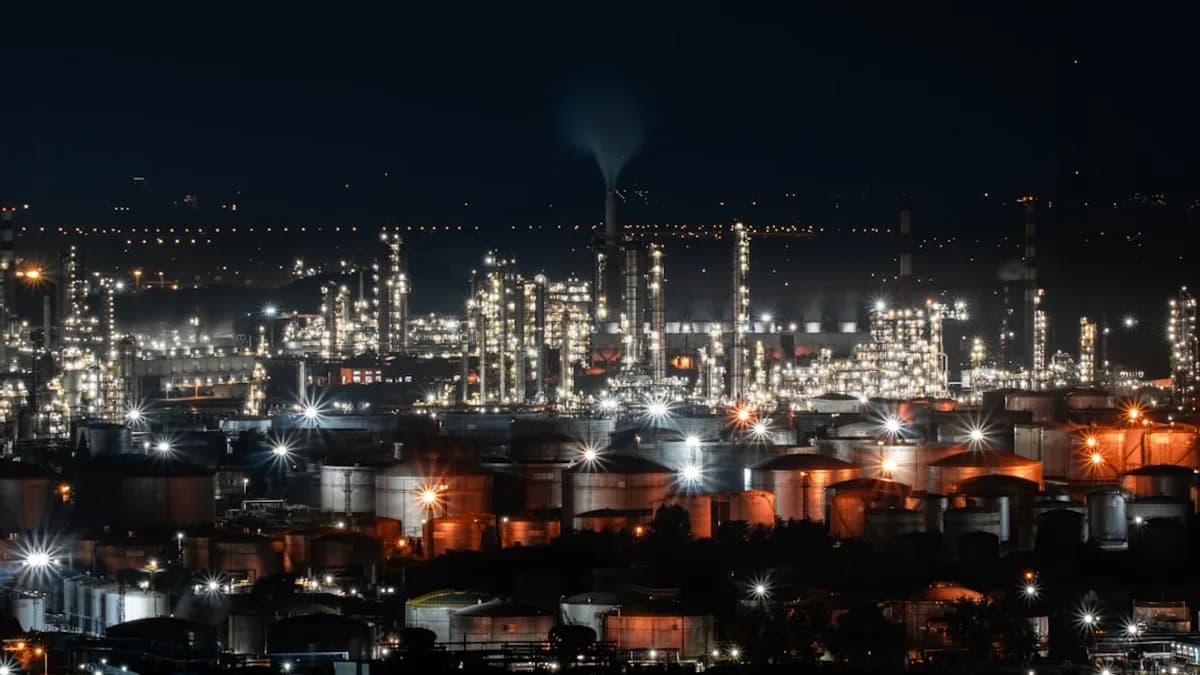
The five “teapot” refineries at the heart of this dispute aren’t household names, but their numbers pack a punch. Collectively, these independent refineries—mostly clustered in Shandong province—process an estimated 20-25% of China’s total crude throughput outside the big state-owned giants. The five sanctioned plants alone reportedly have a combined refining capacity above 400,000 barrels per day. For context, that's more than the entire refining capacity of Hungary or New Zealand.
Iranian oil imports are a lifeline for these operators. Official Chinese customs data underreports volumes, but tanker tracking firms estimate that in 2025, China imported roughly 1.2 million barrels per day of Iranian crude—up from 800,000 bpd just two years earlier. That’s nearly 10% of China’s total oil imports, and most of it flows straight to teapots who favor Iranian grades for their discount pricing and flexibility. With Brent trading above $85 and Iranian barrels sometimes offered at $10-15 discounts, these refineries pocket significant margins.
US sanctions threaten to choke these profits and disrupt supply chains. The risk isn’t just frozen assets or blocked dollar transactions; it’s the threat of secondary sanctions scaring off ship insurers, banks, and spare parts suppliers. In 2018, after similar US measures, teapot operators saw their margins shrink by 40% and had to scramble for alternative financing. If the US manages to enforce these new sanctions, the financial hit could run into hundreds of millions in lost revenue per year, and operational headaches could snowball if foreign partners refuse to do business.
Diverse Stakeholder Perspectives on the US-China Sanctions Dispute
Washington’s rationale is clear: cut off Iran’s oil revenue, limit its nuclear ambitions, and signal to global markets that US sanctions have bite. By targeting teapots—traditionally seen as loopholes in China’s energy system—the US aims to close gaps exploited by Iranian sellers. The Treasury’s playbook is to threaten secondary sanctions against any entity facilitating these imports, hoping Chinese refiners will fold under pressure.
China’s Ministry of Commerce, meanwhile, has turned the dispute into a sovereignty issue. Officials claim the sanctions overstep US jurisdiction, violate WTO principles, and threaten the stability of global energy markets. Domestic industry voices echo this, with the China Petroleum and Chemical Industry Federation warning that US actions could spark retaliatory measures and disrupt supply chains critical to national energy security.
Iran, predictably, applauds China’s defiance. Tehran has long relied on Beijing as its largest oil customer and political shield. Iranian officials tout the partnership as proof their exports can’t be isolated, even as US sanctions complicate logistics and financing.
Global energy markets are watching for ripple effects. European refiners worry about volatility in supply routes and pricing; Russian producers see opportunity in China’s willingness to buy sanctioned barrels. Industry analysts warn that escalating sanctions could fragment global oil flows, pushing more trade into opaque, unregulated channels. The “shadow fleet”—tankers that hide origin and destination—already carries up to 20% of Iranian exports, and new sanctions could expand that number.
Historical Patterns of US Sanctions on Iran and China’s Strategic Responses
This isn’t the first time the US has tried to squeeze Iranian oil buyers. In 2012 and again in 2018, Washington imposed secondary sanctions on Chinese firms importing Iranian crude. Both times, Beijing protested, but quietly allowed state-owned giants to trim purchases while teapots and intermediaries kept flows alive through “grey” channels. In 2018, Sinopec and CNPC cut Iranian imports by up to 50%, but teapots filled the gap via shell companies and disguised tanker routes.
China’s current response is notably more defiant. Instead of quietly bypassing sanctions, Beijing is publicly challenging their legitimacy. The difference? China’s confidence has grown in line with its market power. In 2012, it imported just 5% of global oil; today that figure is closer to 15%. The rise of teapots, especially after Beijing liberalized import quotas in 2015, has made the sector more agile and harder to police.
This episode fits into the broader US-China rivalry, where economic tools become diplomatic weapons. The US has used dollar-based sanctions to pressure Beijing on issues from technology to trade. China has responded with countersanctions, rare earth export controls, and now direct defiance on energy. The teapot case is small in volume but big in symbolism—a harbinger of a world where US leverage is contested, not assumed.
What China’s Defiance Means for Global Energy Markets and International Trade Norms
China’s move could fracture traditional oil supply chains. If teapots keep importing sanctioned Iranian crude, insurers and shipping firms may face conflicting legal mandates: comply with US rules or serve China’s market. This tension risks pushing more trade into legal grey zones, making oil flows harder to track, price, or regulate. For global energy companies, the risk calculus changes: participate in China’s market and risk US penalties, or exit and lose billions in potential revenue.
On the trade law front, China’s argument invokes multilateralism. By accusing the US of violating WTO principles, Beijing is setting up a challenge to unilateral sanctions as a tool of foreign policy. If other countries—especially those with large energy markets like India or Brazil—follow suit, the legal basis for US sanctions could erode. The precedent could spill over into other sectors: technology, finance, even agriculture.
For investors, the stakes are high. Chinese refineries are major customers for global oil traders, equipment suppliers, and financiers. If sanctions bite, supply disruptions could spike prices and volatility. In 2018, similar moves triggered a 12% jump in Brent prices within two months, as buyers scrambled for non-sanctioned barrels. Energy companies must now weigh the risk of regulatory whiplash against the lure of China’s market, and hedge accordingly.
Predicting the Future: How US-China Tensions Over Energy Sanctions Could Evolve
Escalation isn’t inevitable, but it’s likely. If the US doubles down, it could target shipping companies, financial intermediaries, or even state-owned Chinese energy giants. Beijing has signaled it won’t back down, and might retaliate with countersanctions or restrictions on US energy firms operating in China. A tit-for-tat could destabilize global oil flows, driving up prices and forcing refiners worldwide to seek new suppliers.
Alternatively, a negotiated workaround could emerge. China might quietly reduce Iranian imports, or US authorities could carve out exemptions to avoid a full-blown trade war. But the trend is clear: each round of sanctions and countermeasures pushes more oil trade into shadow networks, undermining transparency and predictability.
Long-term, expect global energy security to become more fragmented. The US will find it harder to enforce sanctions as China—and possibly India—build parallel financial and shipping systems resistant to US pressure. Diplomatic relations could harden, as energy ties become bargaining chips in broader negotiations over trade, technology, and security. For investors and policymakers, the lesson is blunt: in a world where China openly defies US sanctions, assumptions about energy flows, pricing power, and legal risk must be rewritten. The teapot refineries are just the beginning.
Why It Matters
- China's rejection of US sanctions signals a major shift in global energy power dynamics.
- This move could undermine the effectiveness of US sanctions and reshape oil alliances.
- The dispute highlights rising tensions over trade rules and sovereignty in the international energy market.