Breaking News: Canadian Woman Killed in Shooting at Mexico’s Teotihuacán Pyramids
A deadly shooting has shattered the peace at one of Mexico’s most iconic landmarks. On Saturday, a gunman opened fire at the Teotihuacán pyramids, killing a Canadian woman and injuring at least two others. The attack, which unfolded in broad daylight amid throngs of tourists, has sent shockwaves through international travel circles and reignited concerns over visitor safety at popular heritage sites.
Mexican authorities responded swiftly, securing the area and deploying emergency medical teams to treat the wounded. Eyewitnesses described scenes of panic as visitors scrambled for cover among the ancient stone structures. As the initial confusion settled, officials confirmed the death of a Canadian tourist and reported that the injured included a man and a child, both of whom received urgent medical attention [Source: Source].
The sudden eruption of violence at a UNESCO World Heritage site, renowned for its cultural and historical significance, has drawn widespread condemnation and prompted urgent calls for a thorough investigation. As details continue to emerge, the world watches closely, anxious for answers—and assurance that such tragedies can be prevented in the future.
Details of the Shooting Incident at the Historic Teotihuacán Site
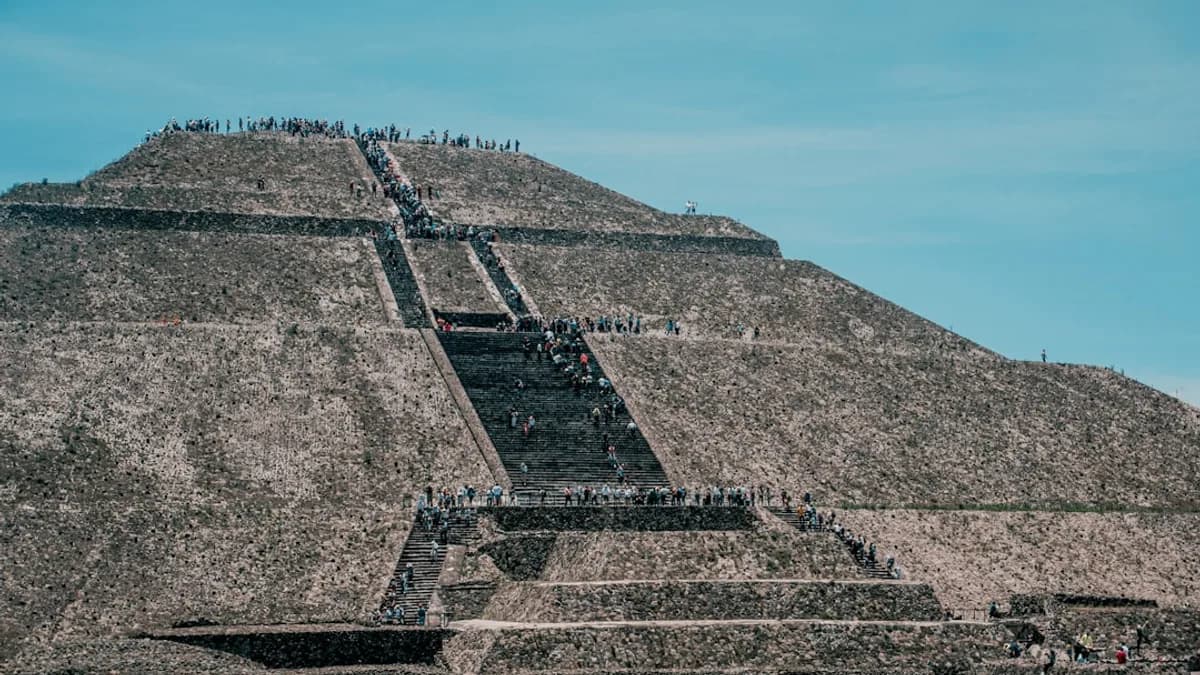
Teotihuacán, located about 30 miles northeast of Mexico City, draws over two million visitors annually. Famed for its massive Pyramid of the Sun and Pyramid of the Moon, the site is a magnet for both domestic and international tourists, eager to experience the grandeur of pre-Columbian Mesoamerican civilization.
According to initial reports and official statements, the attack occurred on the afternoon of June 8, 2024. Witnesses say the gunman approached the group of tourists on a pathway near the Pyramid of the Sun and began shooting indiscriminately [Source: Source]. The chaos was immediate. Visitors fled in all directions, some seeking shelter behind ancient stone walls, others lying low until authorities arrived.
Security personnel on-site quickly engaged with the situation, and the area was cordoned off within minutes. Emergency services transported the wounded to nearby hospitals, while forensic teams began combing the scene for evidence. Authorities have not yet released the identity of the perpetrator, and the motive remains unclear.
Eyewitnesses recounted the surreal experience of violence intruding on a place synonymous with cultural wonder. “One moment we were taking photos, the next there was panic everywhere,” said a tourist who asked not to be named. “It’s hard to believe something like this could happen here.” Official statements echoed the shock, with the Mexican Ministry of Culture condemning the attack and pledging full cooperation with law enforcement agencies [Source: Source].
Profile of the Victim and Impact on Canadian Tourism
The woman killed in the attack has been identified as a Canadian national, though her name has not yet been released pending notification of her family. She was visiting Teotihuacán with relatives, highlighting the vulnerability of ordinary travelers to sudden violence.
The Canadian government responded swiftly, with the embassy in Mexico City working closely with local authorities to support the victim’s family and assist other Canadians affected by the incident [Source: Source]. Canadian Foreign Affairs officials issued an updated travel advisory, urging heightened caution for citizens visiting Mexican tourist destinations.
Tragic incidents like this have an outsized impact on tourism patterns. Mexico is one of the most popular overseas destinations for Canadians, with nearly two million visits recorded annually before the pandemic. A single high-profile attack can trigger waves of cancellations and prompt tour operators to reconsider their offerings.
For the broader travel industry, the shooting underscores the need for robust crisis management and transparent communication. Canadian consular services have reminded travelers to register their travel plans and stay informed about local security conditions—practical steps that can make a difference in emergencies.
Investigation Status and Unclear Motive Behind the Attack
As of this writing, the investigation remains underway. Mexican authorities have not announced any arrests, and the identity and background of the shooter are still unknown. Officials are combing through surveillance footage and interviewing witnesses, but the lack of an immediate motive has fueled speculation [Source: Source].
Several theories are under consideration. While Mexico has grappled with organized crime and violence in recent years, most attacks have targeted rival groups or political figures, not foreign tourists at major historical sites. Authorities have not ruled out the possibility of a personal dispute, a robbery gone wrong, or an isolated act of violence unrelated to broader security trends.
Experts warn that the absence of a clear motive complicates efforts to reassure the public and prevent future incidents. “When violence appears random or inexplicable, it heightens anxiety and makes risk assessment much more difficult for travelers and authorities alike,” notes security analyst Dr. Ana Morales.
For now, officials urge patience as the investigation proceeds, promising full transparency and collaboration with international partners.
Security Concerns at Mexican Tourist Destinations and Future Precautions
This incident is not occurring in a vacuum. Mexico’s tourism industry has grappled with sporadic violence for years, sometimes spilling into areas previously considered safe for visitors. While most tourist hotspots—like Cancún, Playa del Carmen, and Mexico City—have increased police presence and implemented surveillance systems, open-air archaeological sites like Teotihuacán pose unique challenges.
The vast, open layout of Teotihuacán makes it difficult to control access points or conduct thorough screening of visitors. Security measures at the site include regular patrols by the National Guard and local police, but the sheer scale and volume of daily visitors can stretch resources thin [Source: Source].
Following previous incidents elsewhere, Mexican authorities have periodically reviewed security protocols, balancing the imperative to protect cultural treasures with the need to preserve visitor experience. After Saturday’s shooting, experts are calling for a fresh look at best practices—including enhanced surveillance, visitor screening, and rapid response drills tailored for historic sites.
For travelers, the takeaway is clear: remain vigilant, heed official advisories, and be aware of your surroundings, even in seemingly tranquil settings. Tour operators may need to update risk assessments, and governments could consider new bilateral agreements to facilitate information sharing and emergency response for citizens abroad.
From a policy perspective, the shooting may accelerate efforts to deploy advanced security technology—such as AI-powered video analytics or mobile panic alert systems—at vulnerable sites. However, experts caution that no system is infallible, especially in settings designed for open public access. The task ahead is to find a balance that honors cultural heritage while prioritizing public safety.
Conclusion: The Broader Implications of Violence at Cultural Heritage Sites
The tragedy at Teotihuacán is a sobering reminder of the challenges facing global tourism in an age of unpredictable threats. Beyond the immediate human cost, such incidents threaten to erode confidence in international travel and put at risk the preservation of shared cultural treasures.
Ensuring safety at open, historic sites like Teotihuacán will require more than incremental change. It calls for creative partnerships between governments, industry stakeholders, and local communities—sharing intelligence, investing in innovative security solutions, and keeping an unwavering focus on the well-being of visitors.
As the world mourns the loss of a Canadian traveler at one of humanity’s greatest archaeological wonders, the response must be equally monumental: a renewed commitment to both cultural preservation and the protection of those who come to experience it. Only through sustained international cooperation can we hope to prevent such tragedies from recurring—and ensure that the world’s heritage remains open to all.