Introduction: Overview of the Camp Mystic Flood Incident
The Camp Mystic flood incident stands as one of the most tragic and controversial events in recent Texas history. Located along the banks of the Guadalupe River, Camp Mystic was hit by a sudden and devastating flood, resulting in significant loss of life and raising critical questions about the camp’s preparedness and response. The disaster not only claimed multiple lives—including children attending the camp—but also exposed potential failures in communication and emergency management.
Controversy has emerged over whether camp officials received and acted upon flood warnings issued prior to the storm. Testimonies from Camp Mystic staff have revealed confusion and emotional turmoil in the aftermath, especially regarding the camp’s ability to protect its attendees. This explainer aims to clarify the timeline of events, examine the camp’s response, and discuss the broader implications for emergency preparedness and accountability in similar settings [Source: Source].
Timeline of Events Leading Up to the Flood
In the days preceding the flood at Camp Mystic, meteorologists forecasted heavy rain and potential flash flooding across the region. The National Weather Service and local emergency management agencies reportedly issued flood warnings, advising camps and residents along the Guadalupe River to remain vigilant and prepare for possible evacuation [Source: Source].
However, during official testimony, a Camp Mystic representative stated that he did not see any flood warnings issued the day before the storm struck. This admission has become a focal point of the investigation, raising questions about the camp’s internal communication and monitoring systems [Source: Source]. According to reports, the warnings were disseminated through standard channels, including email alerts and radio broadcasts, but somehow failed to reach critical decision-makers at Camp Mystic.
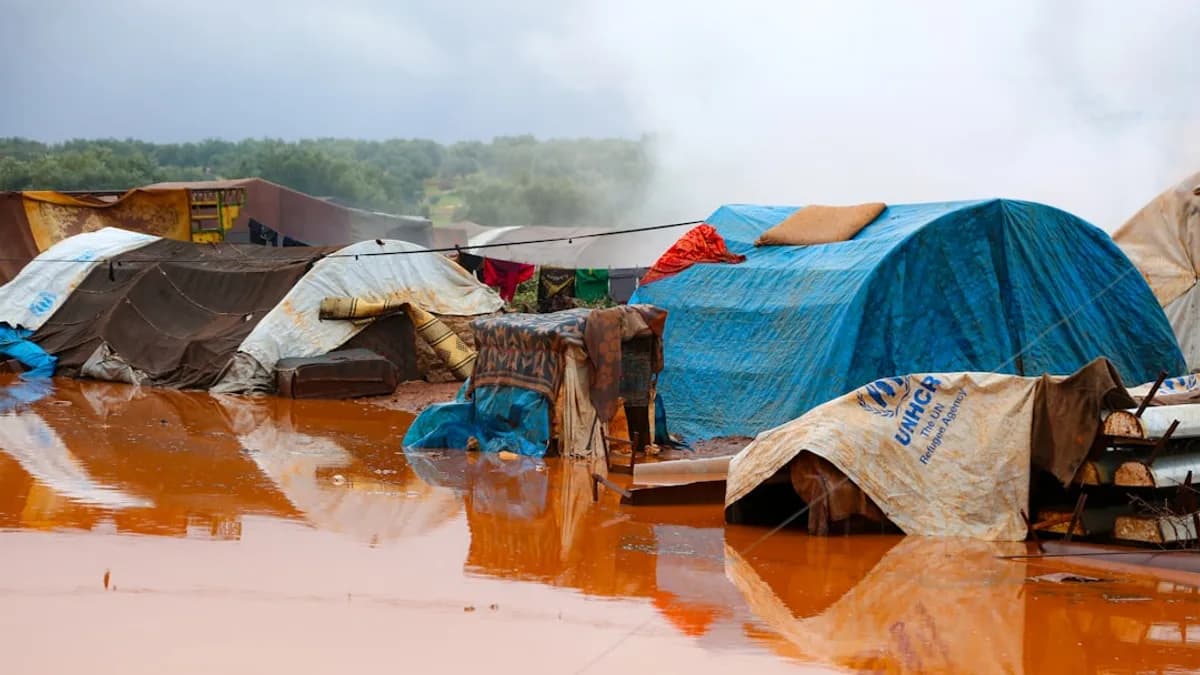
On the day of the flood, torrential rain overwhelmed the riverbanks, causing water levels to rise rapidly. Camp staff scrambled to relocate children to higher ground, but the speed and intensity of the flood caught many off guard. Within hours, the camp was inundated, leading to panicked attempts to rescue campers and staff. In the immediate aftermath, local authorities and rescue teams responded, searching for survivors and accounting for the missing. The incident left a profound mark on the community and ignited a debate over what could have been done differently to prevent such tragedy [Source: Source].
Camp Mystic’s Flood Response and Testimonies
The response of Camp Mystic staff during the flood has been the subject of intense scrutiny, particularly during recent court proceedings. The camp director, under emotional questioning, recounted harrowing moments as the floodwaters engulfed the camp. At one point, the director described physically holding onto campers as the water swept them away, a desperate attempt to ensure their safety amid overwhelming circumstances [Source: Source].
Testimony from the director highlighted the chaos and fear that gripped the camp. As water levels rose, staff struggled to maintain order and protect the children. The director reportedly broke down during questioning about a missing girl, underscoring the emotional toll of the incident and the sense of responsibility felt by camp leaders [Source: Source]. These accounts have resonated with the public, evoking both sympathy and concern over the camp’s emergency protocols.
Another critical aspect of the response involved the camp’s medical officer. According to CBS News, the medical officer failed to report 27 flood-related deaths in the immediate aftermath, a lapse that has drawn sharp criticism from oversight bodies and the public [Source: Source]. This lack of timely reporting has compounded scrutiny on Camp Mystic’s internal procedures and raised broader questions about accountability during disasters.
As the camp faces possible reopening, its flood response is being re-examined by regulators, parents, and advocacy groups. The testimonies illustrate the immense challenges faced during the disaster and highlight potential gaps in training and preparedness that contributed to the tragic outcome.
Analysis of Communication and Warning Systems
Flood warnings are typically issued by the National Weather Service and local emergency authorities, using a combination of email, text alerts, broadcast media, and direct communication with institutions like camps and schools. These warnings are designed to give people time to prepare and evacuate if necessary, especially in areas prone to sudden flooding [Source: Source].
Despite these systems, Camp Mystic officials testified they did not see the warnings issued the day before the flood. Several factors could explain this breakdown: technical issues with alert systems, lack of monitoring by camp staff, or insufficient protocols for receiving and acting on emergency notifications. Camps often rely on designated staff to track weather alerts, but if these individuals are unavailable or overwhelmed, vital information can slip through the cracks.
The implications of such communication failures are profound. In emergency situations, timely and accurate warnings can mean the difference between life and death. The Camp Mystic case underscores the need for robust systems to ensure critical information reaches all relevant parties, and for regular training to reinforce emergency response procedures. The tragedy has sparked calls for improved oversight and more rigorous protocols to prevent future breakdowns [Source: Source].
Broader Implications and Lessons Learned
The Camp Mystic flood has shaken public trust in the safety protocols of youth camps and highlighted vulnerabilities in emergency preparedness. Parents, regulators, and camp operators are now grappling with questions of accountability and oversight. Should camps be required to demonstrate better communication systems? Are current regulations sufficient to ensure the safety of attendees during extreme weather events?
One of the key lessons from the incident is the necessity of clear, redundant channels for disseminating flood warnings. Camps must establish multiple methods for receiving alerts and ensure that all staff are trained in emergency response. Regular drills and reviews can help identify weaknesses and improve outcomes in real-world scenarios.
Additionally, the disaster has prompted recommendations for greater transparency and prompt reporting in the aftermath of emergencies. Oversight agencies are considering stricter requirements for camps to report deaths and injuries, as well as periodic audits of safety protocols. These measures aim to restore public confidence and provide a framework for continuous improvement.
Ultimately, the Camp Mystic flood serves as a painful reminder of the importance of preparedness, accountability, and the human cost of communication failures. The lessons learned will hopefully inform better practices and safeguard future generations [Source: Source].
Conclusion: Moving Forward After the Camp Mystic Tragedy
The Camp Mystic flood incident revealed critical gaps in emergency communication, preparedness, and response. Testimonies from camp officials exposed the challenges faced during the disaster and highlighted the emotional impact on staff and families. The failure to receive or act upon flood warnings has become a central issue in ongoing investigations.
Moving forward, it is essential to strengthen warning systems, improve staff training, and enforce strict reporting requirements for camps and other institutions. Continued scrutiny and reform are necessary to prevent similar tragedies and restore public trust. The Camp Mystic case underscores the vital importance of timely flood warnings and effective emergency response—lessons that must guide future policy and practice [Source: Source].