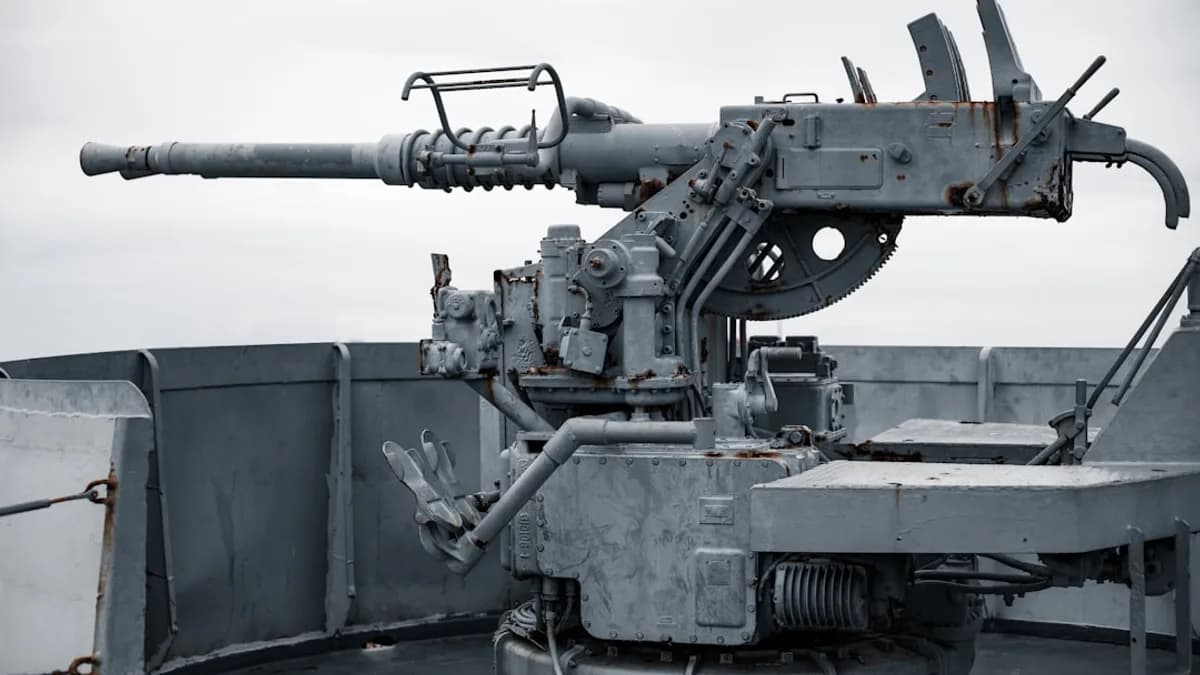
Machine Gun Fire Erupts Near Strait of Hormuz Amid Rising US-Iran Tensions
Automatic gunfire rattled the waters near the Strait of Hormuz on Saturday, sending oil traders and security analysts scrambling for details. The incident, reported by CryptoBriefing, unfolded just miles from one of the world’s most crucial energy chokepoints, as US and Iranian naval assets maintain a tense standoff in the region.
Exact coordinates and the parties involved remain unclear, but initial reports suggest the event occurred on the northern edge of the strait, where Iranian patrols often shadow international shipping. No casualties or vessel damage have been confirmed, but the prospect of live fire—however brief—has already raised alarms in military and energy circles.
The US Navy’s Fifth Fleet, headquartered in Bahrain, declined to comment on operational specifics but signaled “heightened vigilance” in official communications. Iran’s Revolutionary Guard has not issued a formal statement. The lack of immediate clarity only amplifies anxiety for vessels traversing the narrow passage, which handles roughly 21 million barrels of oil transit per day.
Potential Impact on Global Oil Supply and Market Stability
The Strait of Hormuz isn’t just another maritime route—it’s the linchpin of global energy logistics. Roughly a fifth of the world’s oil and nearly a quarter of its LNG exports funnel through its 21-mile-wide bottleneck. Even a fleeting exchange of gunfire can jolt global markets, as seen in 2019 when attacks on tankers sent Brent crude surging 4% in a single session.
Current conditions amplify that risk. Supply chains are already taut from OPEC+ production cuts and disruptions in Russia and West Africa. Any perception of instability around the strait can trigger panic buying, price spikes, and insurance premiums ballooning for tankers. After Saturday’s incident, Asian benchmark futures saw a 2% after-hours bump—an early signal of traders hedging for possible escalation.
Disruption isn’t theoretical. In 1988, the “Tanker War” phase of the Iran-Iraq conflict saw a quarter of Gulf oil shipments threatened, forcing the US to reflag Kuwaiti vessels and deploy minesweepers. More recently, the 2019 seizure of the British-flagged Stena Impero by Iran led to a week-long insurance scramble and temporary rerouting of cargoes.
Broader geopolitical consequences loom. Any repeat of sustained hostilities could drag in regional players like Saudi Arabia and the UAE, both heavily reliant on Hormuz for exports. For energy-importing economies—China, India, Japan—a standoff means higher fuel costs and inflationary aftershocks. The International Energy Agency estimates that a week-long full closure could spike oil prices above $120, a scenario that would rattle central banks already contending with fragile growth and sticky inflation.
Monitoring Developments: What to Expect Next in US-Iran Relations
The next moves from Washington and Tehran will shape whether this incident becomes a footnote or a flashpoint. So far, both sides appear wary of escalation. The US has reinforced naval patrols but signaled through backchannels—most recently via Oman—a preference for de-escalation. Iran, facing domestic economic strain and regional isolation, has little appetite for open conflict but often tests boundaries to extract concessions or signal resolve.
Diplomatic mediation is likely to intensify. The UN Security Council typically convenes emergency sessions after incidents in the strait, and European powers—especially the UK and France—have previously dispatched envoys to defuse standoffs. Watch for statements from the International Maritime Organization and shifts in US or EU sanctions policy as early indicators of a diplomatic pivot.
Commercial shipping will move quickly to adapt. Expect insurance underwriters to reassess risk, possibly raising premiums or flagging higher-threat routes. Large carriers might reroute high-value cargoes or double-up on armed security detachments, as seen during the 2019 tanker scare.
The risk calculus for energy markets now hinges on real-time updates: satellite tracking of naval deployments, ship traffic density, and open-source intelligence from local ports. For investors, volatility in energy equities and futures will be the first tell. For policymakers, the bigger question is whether this marks a temporary flare-up or a slide toward sustained instability in a region that still underpins the global energy order.
Impact Analysis
- Tensions near the Strait of Hormuz threaten the security of a critical global energy supply route.
- Even minor incidents can cause oil prices and shipping insurance premiums to spike, impacting global markets.
- Instability in the region adds stress to already tight supply chains, increasing economic risk worldwide.