


Introduction: Understanding the Surge in Wholesale Inflation
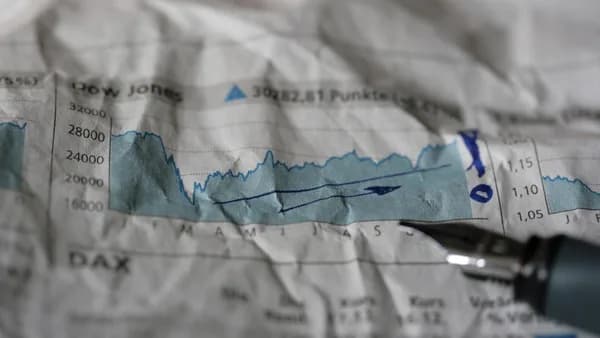
Wholesale inflation, a critical economic indicator, measures the rise in prices that businesses pay for goods and services before they reach consumers. In March 2024, the U.S. saw wholesale inflation surge to a three-year high, catching the attention of policymakers, businesses, and everyday Americans alike [Source: Source]. This sharp increase was propelled by a spike in energy prices, largely tied to escalating geopolitical tensions—most notably, the ongoing war involving Iran, which has disrupted global energy supply chains.
Why does this matter? When wholesale inflation accelerates, it typically foreshadows higher prices for consumers and squeezes business margins, forcing tough decisions on spending and investment. As energy costs soar, companies face higher input expenses, which often trickle down to households in the form of pricier goods and services. Understanding the causes and consequences of this inflation spike is essential for navigating today’s volatile economic landscape.
What is Wholesale Inflation and How is it Measured?
Wholesale inflation is distinct from consumer inflation, though the two are closely related. While consumer inflation—often measured by the Consumer Price Index (CPI)—tracks the prices that households pay for goods and services, wholesale inflation looks at the cost increases faced by producers and wholesalers. This offers an early signal of inflationary pressures building within the economy.
The primary measure for wholesale inflation in the U.S. is the Producer Price Index (PPI). Compiled monthly, the PPI tracks changes in the prices received by domestic producers for their output across a wide swath of industries, including manufacturing, mining, agriculture, and energy. The PPI covers goods at various stages of production, from raw materials like metals and crude oil to intermediate products and finished goods destined for retail shelves.
Changes in the PPI are closely watched because they can anticipate shifts in consumer prices. If producers face higher costs for materials and energy, these increases often get passed along to retailers and, ultimately, to consumers. Thus, a spike in wholesale inflation can signal that households may soon encounter higher prices at the checkout line, making the PPI a valuable leading indicator for economic analysts and policymakers.
Factors Driving the March 2024 Wholesale Inflation Spike
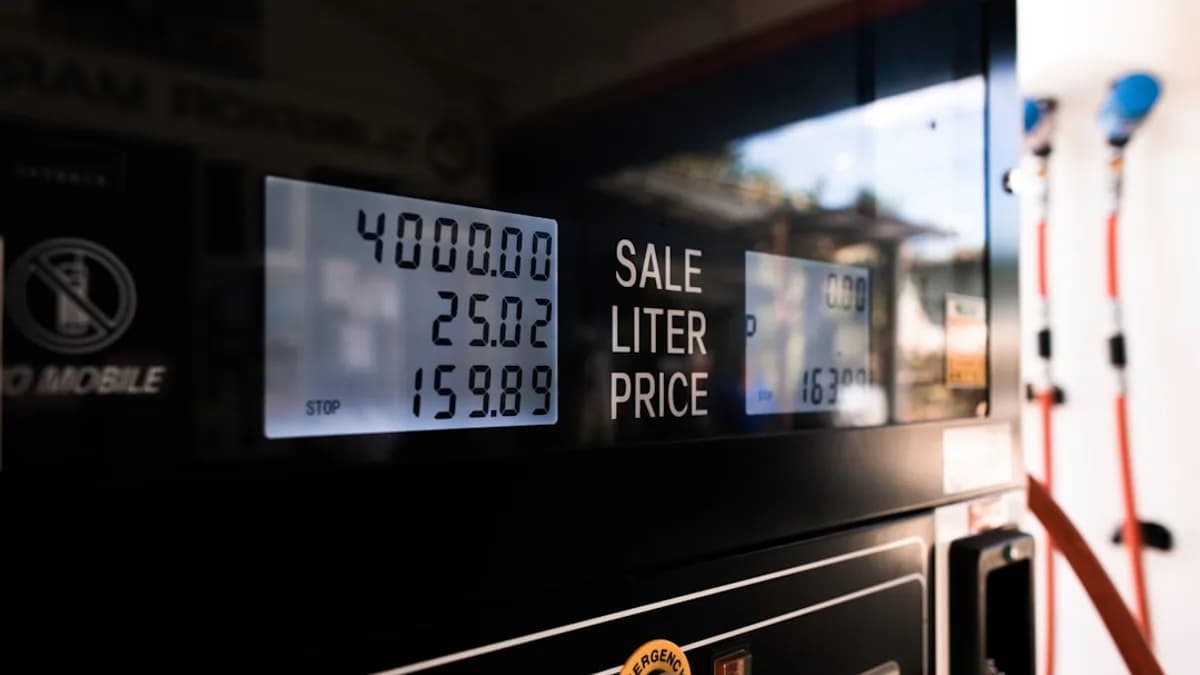
The dramatic rise in wholesale inflation in March 2024 can be traced to several interlinked factors, the most prominent being the ongoing conflict involving Iran. This war has introduced significant volatility into global oil markets, disrupting supply routes and causing uncertainty about future energy availability. As a result, energy prices soared, with gas prices experiencing one of the largest monthly increases in four years [Source: Source].
The impact of higher energy costs was felt across the economy. According to multiple reports, U.S. wholesale prices surged by 4% in March alone, marking the steepest monthly rise since 2021 [Source: Source]. Gasoline, diesel, and other fuel prices jumped sharply as traders reacted to fears of further supply disruptions. In fact, March saw the largest increase in global energy inflation in 25 years, as reported by MarketWatch [Source: Source].
While energy was the primary driver, other factors contributed to the wholesale inflation spike. Persistent supply chain disruptions—some lingering from the pandemic era—continued to challenge manufacturers and distributors. Key commodities, such as metals and agricultural products, also saw price increases due to both logistical bottlenecks and unpredictable weather patterns affecting harvests.
Additionally, strong demand for goods in certain sectors put further upward pressure on prices. As businesses scrambled to secure materials amid ongoing uncertainty, many were forced to pay a premium, feeding into the overall inflation numbers. Combined, these factors created a perfect storm for the largest wholesale inflation spike in several years, raising concerns about the potential for sustained price pressures throughout 2024.
Implications of Rising Wholesale Inflation on the Economy and Consumers
The jump in wholesale inflation carries far-reaching implications for both the economy and individual households. When businesses face higher input costs, many have little choice but to pass these expenses on to consumers by raising the prices of finished goods and services. This, in turn, fuels consumer inflation, eroding the purchasing power of wages and making everyday expenses—from groceries to utility bills—more burdensome for families.
For businesses, rising wholesale prices can squeeze profit margins, especially for those unable to quickly adjust their pricing strategies or negotiate better terms with suppliers. Smaller companies, in particular, may struggle to absorb these costs, potentially leading to cutbacks in hiring, investment, or even production. Larger firms might respond by increasing prices, streamlining operations, or seeking cheaper alternatives, but these adjustments take time and can ripple through the broader economy.
Households are already feeling the pinch, especially when it comes to energy expenses. Soaring gas prices mean higher costs at the pump and increased transportation and utility bills. For lower- and middle-income families, these added expenses can force tough choices—cutting back on discretionary spending, delaying major purchases, or dipping into savings.
Sustained inflation poses risks beyond immediate budget pressures. If businesses and consumers come to expect ongoing price hikes, this can alter spending and investment behavior, potentially slowing economic growth. Central banks may also need to consider tighter monetary policy, such as raising interest rates, to rein in inflation, which could further dampen economic activity. The current surge in wholesale inflation is thus both a warning sign and a call to action for policymakers, businesses, and consumers alike.
How Much Inflation Can Your Budget Take? Practical Considerations
As inflationary pressures mount, consumers are rightfully asking: How much more can my budget handle? While some inflation is normal in a growing economy, rapid price increases—especially for essentials like energy and food—can strain even the most carefully planned household finances.
To manage these challenges, consumers can adopt several strategies:
- Track spending closely: Regularly review and adjust your monthly budget to account for higher prices in key categories, such as fuel, utilities, and groceries.
- Adjust consumption habits: Consider carpooling, using public transportation, or reducing non-essential driving to offset rising gas costs. Small changes in energy use—like upgrading to energy-efficient appliances or insulating your home—can also lead to savings.
- Shop strategically: Compare prices, seek out discounts, and consider bulk purchasing for non-perishable goods to stretch your dollars further.
- Plan for volatility: With inflation trends subject to rapid change, building a small emergency fund can provide a buffer against unexpected spikes in expenses.
Staying informed is essential. Monitoring inflation reports and understanding how broader economic trends affect your personal finances can help you make proactive adjustments. For those with investments or retirement savings, reviewing asset allocations and considering inflation-protected securities may also be prudent.
Ultimately, while individuals have limited control over global energy markets or geopolitics, mindful financial planning can help households weather periods of high inflation with greater resilience.
Conclusion: Navigating Inflation in a Volatile Global Environment
The surge in wholesale inflation seen in March 2024 is a stark reminder of how global events—especially geopolitical tensions and energy market disruptions—can quickly ripple through the economy and affect everyday life [Source: Source]. With energy prices at the heart of this latest spike, both businesses and consumers are being challenged to adapt to a rapidly changing cost environment.
While the future course of inflation remains uncertain, staying informed and proactive is the best defense. Households and businesses alike should monitor ongoing developments, adjust financial plans as needed, and watch for policy responses from government and central banks. In these volatile times, resilience, flexibility, and a clear-eyed understanding of economic trends are essential tools for navigating the challenges ahead.
⚠️ Disclaimer: This article is for informational purposes only and does not constitute financial advice. Always do your own research before making investment decisions.