


Introduction: Governor Hochul's New Tax Proposal on NYC Second Homes
Governor Kathy Hochul has unveiled a new proposal aimed squarely at owners of luxury second homes in New York City. The measure, announced this week, would introduce an annual tax on second residences valued at $5 million or more. This initiative specifically targets so-called "pied-à-terres"—opulent apartments and condos often kept vacant for much of the year by their affluent, non-primary-resident owners.
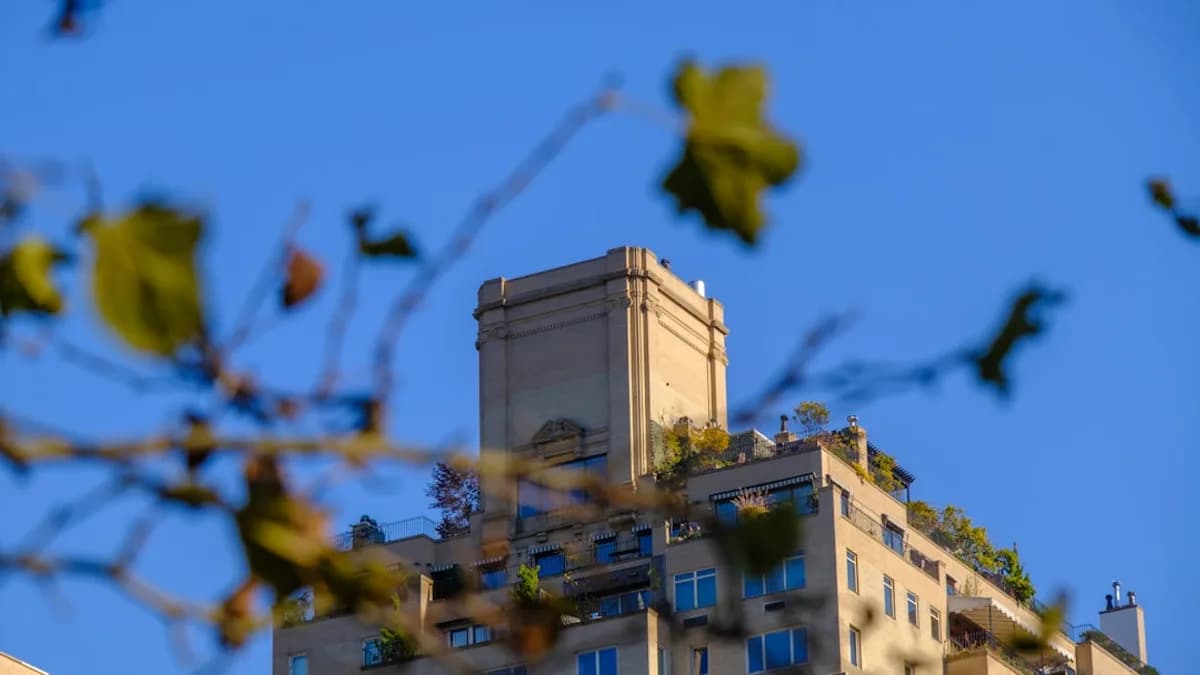
The rationale behind the proposal is twofold: to help alleviate New York City's ongoing housing affordability crisis and to generate much-needed revenue for city and state coffers. As property values and rent prices continue to soar, the Hochul administration sees this tax as a way to address inequality in the housing market and to ensure that those who can afford luxury real estate contribute more to the city’s fiscal health. The tax would apply to a wide range of high-end properties, from lavish Central Park penthouses to upscale condos in new developments, provided they are not the owner’s primary residence [Source: Source].
Details of the Proposed Tax on Second Homes
Under Governor Hochul’s plan, an annual tax would be levied on second homes in New York City with assessed values of $5 million or more. This tax is designed to apply specifically to pied-à-terres—secondary residences owned by individuals whose primary home is outside the city or state. The measure would not affect primary residences, even if valued above the $5 million threshold, focusing solely on homes used occasionally or as investment properties.
While the exact tax rates are still under legislative review, previous versions of pied-à-terre tax proposals in New York have suggested rates ranging from 0.5% to 4% of a property’s value, depending on the assessed amount above the $5 million mark. The financial impact on affected homeowners could therefore reach tens or even hundreds of thousands of dollars annually for the city’s highest-priced apartments [Source: Source].
The definition for what qualifies as a “second home” in the proposal is precise: the property must not serve as the owner’s primary residence, and ownership could include individuals, trusts, or corporate entities. This approach aims to close loopholes that have allowed luxury buyers to shield properties by purchasing them through shell companies or LLCs.
Importantly, this new tax is distinct from existing property taxes. Currently, all property owners in New York City pay annual real estate taxes based on city assessments, but these rates are generally much lower for condominiums and co-ops compared to single-family homes. The proposed pied-à-terre tax would be an additional levy, specifically targeting the luxury segment, and would not overlap with the city’s regular property tax structure. This measure also addresses a longstanding complaint that high-value apartments owned by non-residents are often taxed at disproportionately low rates compared to the city’s housing stock overall.
If enacted, this tax could yield hundreds of millions in new revenue each year, according to supporters, though opponents argue it could also discourage investment in the city’s real estate market [Source: Source].
Rationale Behind the Tax: Addressing Housing and Revenue Challenges
Governor Hochul has positioned the pied-à-terre tax as a critical tool for addressing both housing shortages and fiscal challenges facing New York City. With housing affordability at a crisis point—median rents and home prices at record highs—the governor's administration argues that luxury second homes exacerbate the problem by keeping valuable housing stock off the market. These underutilized properties could otherwise be available to full-time residents, helping to ease demand and, by extension, price pressures [Source: Source].
“New York City faces a unique set of housing and budgetary challenges,” Hochul said in a statement. “It’s only fair that those who own some of the most expensive, least-utilized properties contribute more to the city’s future. This tax will help reinvest in our communities and make New York more affordable for working families.”
The proposal also seeks to curb speculative buying—where investors purchase high-end real estate not for personal use, but as an asset class or status symbol. By imposing an annual cost on maintaining an unused luxury apartment, the tax aims to reduce the attractiveness of such speculative investment, potentially freeing up more homes for actual occupancy.
Financially, the new revenue stream could provide a boost to city and state budgets, particularly as they seek to fund affordable housing projects, homelessness prevention, and other essential services. Housing advocates have long called for measures to address the “empty apartments” phenomenon in Manhattan and beyond, and the Hochul administration’s proposal is seen as a direct response to those concerns [Source: Source].
Reactions from Stakeholders and Public Response
The announcement of the proposed tax has elicited strong reactions from various stakeholders in New York City’s real estate and political spheres. Representatives of the luxury real estate industry quickly voiced opposition, warning that the tax could dampen investment in the city’s high-end property market. Some developers and brokers argue that the measure could drive wealthy buyers to other cities, potentially reducing overall tax revenue and slowing new construction [Source: Source].
“We should be encouraging investment in New York, not penalizing it,” said a spokesperson for the Real Estate Board of New York. “The pied-à-terre tax targets a small group but could have broader negative effects on market confidence and job creation.”
Luxury homeowners—many of whom reside outside the city or even the country—have expressed concern over the financial burden the new tax would impose. Some suggest that the tax could deter international buyers or prompt current owners to sell, potentially affecting property values in the city’s most exclusive neighborhoods.
On the other hand, city officials and housing advocates have largely welcomed the proposal. Supporters argue that the tax is a fair way to ensure the wealthy contribute to the city’s well-being, especially when so many New Yorkers struggle to afford housing. Community groups say that targeting underused luxury properties could help address the city’s severe housing shortage and bring much-needed transparency to real estate ownership.
Media coverage has highlighted both the support and the criticism, with some editorials praising the move as a step toward greater equity, while others question its timing and potential unintended consequences [Source: Source].
Legal and political challenges are likely. Similar proposals have faced resistance in the past, both from lobbyists and lawmakers concerned about the city’s competitiveness. Opponents may argue that the tax could violate existing protections for property owners or face challenges under state and federal law. The measure’s fate will ultimately depend on negotiations in the state legislature and the outcome of public debate.
Next Steps and Timeline for Implementation
To become law, Governor Hochul’s pied-à-terre tax proposal must navigate the New York State legislative process. The governor’s office will formally submit the measure to the state legislature, where it will be subject to committee review, public hearings, and likely amendments before any floor vote.
Lawmakers are expected to begin considering the proposal during the upcoming legislative session. The timeline for review and debate could stretch several months, with a final vote possible later this year. If approved, implementation would likely begin in the next fiscal year, with affected homeowners receiving notification and assessment details from city tax authorities [Source: Source].
The proposal is also expected to be a prominent topic in upcoming elections, particularly for state legislators representing Manhattan and other neighborhoods with high concentrations of luxury second homes. Public hearings and opportunities for community input will be scheduled as part of the legislative process, giving both supporters and opponents a chance to present their arguments.
As the proposal moves through the legislative process, its progress will be closely watched by real estate professionals, housing advocates, and policymakers across the country, as other cities consider similar measures.
Conclusion: Implications of Hochul's Second Home Tax Proposal
Governor Hochul’s pied-à-terre tax proposal marks a significant shift in New York City’s approach to luxury real estate and urban fiscal policy. By targeting secondary residences valued at $5 million and above, the measure seeks to address both housing affordability and the city’s ongoing budget needs, while sending a message about fairness and civic responsibility [Source: Source].
If enacted, the tax could serve as a model for other major cities grappling with similar challenges, reflecting a broader trend toward taxing underutilized luxury properties to fund public goods. While the proposal faces considerable hurdles—both political and practical—it represents a bold attempt to rebalance the city’s housing market and ensure that the wealthiest property owners play a larger role in supporting New York’s future.
As the debate unfolds, the outcome will have important implications for the city’s housing policy, its economy, and the evolving relationship between local government and the luxury real estate sector. For now, all eyes are on Albany as lawmakers weigh the next steps for this closely watched proposal.
⚠️ Disclaimer: This article is for informational purposes only and does not constitute financial advice. Always do your own research before making investment decisions.