Introduction: Navigating Market Volatility Amid Geopolitical Tensions
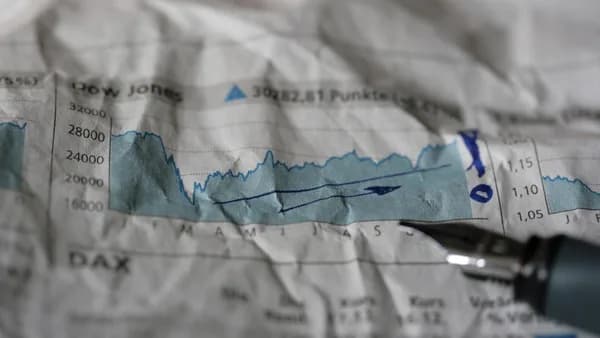
Recent days have seen Wall Street’s major indexes swing between gains and losses, as investors weigh the escalating tensions between the United States and Iran against opportunities for bargain-hunting in the wake of market dips. The prospect of a U.S. blockade of the Strait of Hormuz—a critical oil shipping route—has injected uncertainty into global markets, sending oil prices temporarily soaring above $100 per barrel before retreating as investors digested news and sought out undervalued stocks [Source: Source]. This confluence of geopolitical risk and market opportunity underscores the importance of having a sound strategy for navigating volatility.
For individual investors and portfolio managers, such periods of uncertainty present both challenges and chances. Geopolitical events can roil markets, but they also open doors to buy into quality assets at favorable prices. This guide will walk you through practical steps to manage your investment portfolio, spot bargain opportunities, leverage oil price movements, and stay informed—all while keeping your focus on long-term growth amidst the unpredictable backdrop of US-Iran tensions.
Understanding the Market Impact of Geopolitical Events
Geopolitical tensions—especially those involving major energy producers—have a direct and immediate impact on market sentiment. The recent threat by the U.S. to blockade the Strait of Hormuz, through which nearly a third of global oil exports pass, sent oil prices surging and rattled investor confidence [Source: Source]. Oil’s sharp jump above $100 per barrel was a clear signal of how sensitive the commodity—and, by extension, energy sector stocks—are to events in the Middle East.
When markets face geopolitical uncertainty, risk aversion tends to rise. Investors often rotate out of riskier assets, such as growth stocks, and into perceived safe havens like defense stocks, gold, and government bonds. However, the reaction isn’t always uniform. While some investors sell off, others see opportunity in market dips, leading to mixed signals across indexes. This was evident as the Dow, S&P 500, and Nasdaq edged higher even as oil prices fluctuated and the threat of military escalation loomed [Source: Source].
Bargain-hunting during such periods is driven by the belief that some stocks are oversold due to fear-driven selling, rather than deteriorating fundamentals. This dual dynamic—fear pushing prices down, and opportunistic buying pushing them up—creates volatility and unpredictability. Understanding this interplay is crucial for making informed decisions, as the market may recover quickly once tensions ease, or continue to slide if the crisis escalates.
How to Assess Your Investment Portfolio During Geopolitical Uncertainty
Assessing your portfolio in the face of geopolitical events is essential for managing risk and capitalizing on opportunity. Start by reviewing your exposure to sectors most sensitive to these risks. The energy sector, for example, is highly vulnerable to oil price spikes and supply disruptions, while defense stocks may benefit from increased government spending during periods of tension [Source: Source]. Financials, tech, and consumer staples may be less directly affected, but can still experience knock-on effects from broader market volatility.
Diversification remains your best defense. If your portfolio is concentrated in sectors like energy or emerging markets, consider rebalancing to include assets less correlated with geopolitical risks, such as U.S. Treasuries, gold, or international stocks with stable earnings. Diversification helps mitigate the impact of sudden market swings, preserving capital while maintaining growth potential.
Evaluate your balance between growth and defensive assets. In volatile periods, it can make sense to increase allocation to defensive sectors—such as utilities, healthcare, and consumer staples—which tend to hold up better during market downturns. At the same time, don’t abandon growth assets entirely, as recovery periods often see these stocks rebound strongly. Regularly review your portfolio and adjust as needed, based on your risk tolerance and investment horizon.
How to Identify Bargain-Hunting Opportunities Amid Market Fluctuations
Market dips caused by geopolitical fears can present lucrative bargain-hunting opportunities, but identifying quality investments requires discipline and analysis. Begin by screening for stocks or sectors that have experienced sharp declines but remain fundamentally strong. Look for companies with solid balance sheets, consistent earnings, and competitive advantages that are unlikely to be eroded by the current crisis [Source: Source].
Use both technical and fundamental analysis to confirm buying opportunities. Technical indicators like Relative Strength Index (RSI) or moving averages can signal when a stock is oversold. Fundamental metrics such as price-to-earnings ratio, dividend yield, and debt levels help assess whether the market has unfairly punished a company. For example, if an oil major’s stock drops due to a temporary spike in oil prices, but its long-term outlook remains robust, it may be worth considering as a bargain buy.
However, buying into markets during uncertain geopolitical climates comes with risks. Prices can fall further if tensions escalate, and even fundamentally strong companies may struggle in prolonged crises. To manage these risks, use limit orders to control entry prices, set stop-losses to protect against sharp declines, and avoid making large, concentrated bets. Diversify across several bargains rather than loading up on a single sector or stock.
How to Use Oil Price Movements to Inform Investment Decisions
Oil price movements are a powerful signal for investors, particularly those with exposure to the energy sector. When geopolitical events trigger a surge in oil prices, energy stocks often rally, while transportation and manufacturing companies—whose costs rise with higher oil—can suffer [Source: Source]. Understanding these dynamics helps you anticipate sector rotations and position your portfolio accordingly.
Monitor oil price trends closely following geopolitical announcements. Real-time data from financial news platforms and energy market reports can help you track sudden jumps or reversals. Often, oil prices spike in response to threats (like a blockade) but retreat as the situation stabilizes or diplomatic talks progress. Use these movements to inform both short-term trades and long-term portfolio strategy.
Incorporate oil price signals into broader market analysis. If oil prices are rising due to supply fears, consider increasing exposure to energy stocks or ETFs, but also hedge with assets that benefit from price stability, such as consumer staples or utilities. Conversely, if oil prices fall after tensions ease, look for opportunities in sectors that benefit from lower input costs.
How to Stay Informed and React Proactively
Staying informed is crucial during periods of geopolitical and market volatility. Reliable sources include financial news outlets like Reuters, Yahoo Finance, and The Wall Street Journal, which provide real-time updates on market reactions and geopolitical developments [Source: Source]. For energy and commodity-specific news, platforms like OilPrice.com and Bloomberg offer in-depth coverage.
Set alerts and use market tracking tools to stay ahead of key events. Many brokerage platforms allow you to create custom alerts for oil price changes, stock movements, and breaking news. This helps you react quickly to emerging developments without being glued to your screen.
Maintain a disciplined investment approach. Avoid making impulsive decisions based on headlines or social media rumors. Instead, develop an action plan—such as predetermined buy/sell points—and stick to it. Regularly review your portfolio, but resist the urge to overhaul your strategy unless the underlying fundamentals change.
Conclusion: Balancing Caution and Opportunity in Volatile Markets
Market volatility driven by US-Iran tensions and mixed signals across Wall Street can be unsettling, but it also offers opportunities for disciplined investors. By understanding the impact of geopolitical events, assessing your portfolio’s exposure, identifying bargains, leveraging oil price movements, and staying informed, you can navigate uncertainty with confidence [Source: Source].
Remember, the best strategies balance caution and opportunity. Diversify your holdings, make data-driven decisions, and stay adaptable as events unfold. Volatility may disrupt short-term performance, but with a thoughtful approach, you can use it to enhance long-term portfolio growth and resilience.
⚠️ Disclaimer: This article is for informational purposes only and does not constitute financial advice. Always do your own research before making investment decisions.