Wall Street's Volatility Amid Middle East Tensions and Earnings Season
Stocks surged last week, but the rally faded fast as worries from the Middle East pushed investors to the sidelines. Oil prices jumped as talks between the US and Iran seemed shaky. This sent a chill through Wall Street, even as companies posted strong earnings and tech stocks kept climbing [Source: Google News].
It’s a strange mix: on one side, optimism from good results and excitement about artificial intelligence; on the other, anxiety about what could happen next in the Middle East. This tug-of-war has made markets choppy and left traders unsure about what’s coming. With so much riding on both global politics and profits, investors are trying to figure out if the good news can outweigh the bad.
How Middle East Geopolitical Risks Are Undermining Market Confidence
When talks between the US and Iran about a ceasefire stall, the world pays attention. Oil prices often spike if people think there could be new conflict, or if supplies might get cut. Recently, oil rose sharply as traders worried that negotiations could break down [Source: Google News]. This matters because oil is a key ingredient in everything—from gas at the pump to shipping costs for big companies.
If oil stays expensive, prices for many things can go up. That means inflation could get worse, making it harder for people and businesses alike. For Wall Street, this spells trouble. Investors get nervous when they see headlines about rising oil and failing talks. They start pulling money out of risky bets and move into safer places like bonds or cash.
Even if big companies report strong earnings, political tension can quickly shift the mood. Many investors feel that it’s safer to wait and see, instead of buying more stocks. History shows that geopolitical events—from the Gulf War in 1990 to the Russia-Ukraine conflict in 2022—often lead to wild swings in the stock market. Traders don’t like surprises, especially when they involve oil and conflict.
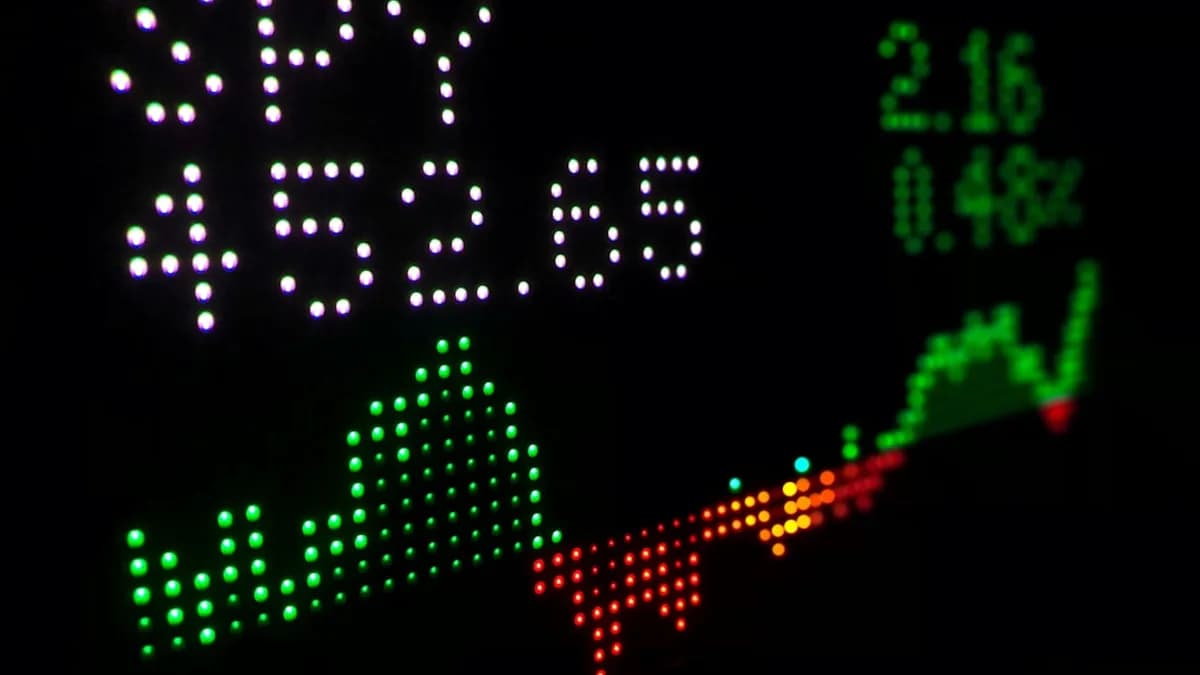
This risk-off feeling is clear in the numbers. The S&P 500, which tracks the largest US companies, lost steam after the oil rally. Investors became cautious, despite companies beating profit targets. The fear is that even good profits won’t matter if costs keep rising or if the world economy slows down because of new conflict.
Earnings Optimism and AI Momentum: The Bright Spots in a Clouded Market
But it’s not all doom and gloom. Many companies, especially in tech, are posting strong results. Firms like Microsoft, Alphabet, and Nvidia are leading the charge, helped by the growing use of artificial intelligence. AI is not just a buzzword—it’s changing how businesses run, cut costs, and reach customers.
This year, tech stocks have outperformed most others. Nvidia, for example, has seen its share price more than double since January, thanks to demand for AI chips. Microsoft’s cloud business is booming, and Alphabet’s ad revenues are up. These strong earnings have given investors hope that the market can weather outside shocks [Source: Google News].
Even old-school companies are getting in on the action. Banks have posted better-than-expected profits, and consumer brands are showing steady sales. Earnings season has been full of surprises, with many firms beating forecasts despite worries about inflation and supply chains.
The excitement around AI has helped balance out some of the fear from the Middle East. Investors are betting that new technology can boost profits and keep markets moving, even if oil stays expensive or tensions rise. Still, the shadow of geopolitical risk is never far away. Many traders say they want to see more calm in global politics before they get too confident.
The Tug of War Between Energy Prices and Stock Market Performance
Energy prices act like a lever on the whole market. When oil gets expensive, costs go up for airlines, shipping firms, and manufacturers. This hurts their profits and can push stock prices down. On the other hand, oil companies like ExxonMobil or Chevron often see their shares rise when crude jumps. It’s a classic tug of war.
High energy prices make inflation worse. That forces the Federal Reserve and other central banks to think about raising interest rates to keep prices in check. If rates go up, borrowing costs rise for businesses and consumers. This can slow growth and make stocks less attractive.
Investors watch oil prices closely. When they swing wildly, traders often get nervous and start selling. This causes markets to wobble, as we’ve seen over the past week [Source: Google News]. Some sectors, like tech, seem able to weather the storm thanks to strong earnings and new products. Others, like travel and retail, feel the pain right away.
The big question is how long oil will stay high. If talks between the US and Iran go well, prices may drop and markets could rally again. If not, the risk of more volatility grows.
Broader Implications: What This Market Behavior Means for Investors and Policymakers
Investors now face a tricky balancing act. They want to ride the wave of strong profits and AI excitement, but they can’t ignore the risks from the Middle East. Many are spreading their bets—buying both stocks and safer assets like gold or bonds, just in case things get worse.
Policymakers have their own challenge. If oil stays expensive and inflation rises, central banks may need to hike interest rates. That can cool down the economy and hurt job growth. Governments might also look for ways to ease tension in the Middle East, hoping that peace talks can lower oil prices and steady the markets.
History shows that diplomatic progress is key. In the 1970s, oil shocks led to deep recessions. But when talks succeeded, prices dropped and growth returned. The same lesson applies today. Global stability helps everyone—from Wall Street traders to families at the gas pump.
For now, investors need to stay alert. Markets may bounce up and down as news breaks about earnings, oil, and politics. Anyone putting money to work should think about both the good and the bad. That means looking for strong companies, but also keeping some cash ready for surprises.
Navigating Market Uncertainty in a Complex Global Landscape
The last week has shown how fast optimism can fade when geopolitics take center stage. Earnings and AI are giving Wall Street hope, but the mood can change in a heartbeat if oil jumps or talks break down [Source: Google News].
Smart investors know that markets are always full of unknowns. The best approach is to stay flexible, keep learning, and make decisions based on both facts and possibilities. Watching both earnings reports and global news can help you catch changes before they hit.
No one can predict exactly what’s next. But by staying alert and being ready to adjust, investors and policymakers can manage the risks—and maybe find new chances to grow.
⚠️ Disclaimer: This article is for informational purposes only and does not constitute financial advice. Always do your own research before making investment decisions.
Why It Matters
- Global political tensions can quickly overshadow positive corporate news and drive market volatility.
- Rising oil prices driven by Middle East uncertainty may lead to higher inflation and impact consumer costs.
- Investors must navigate unpredictable swings, balancing optimism from earnings with risks from geopolitics.