Introduction: The Current State of the US Housing Market
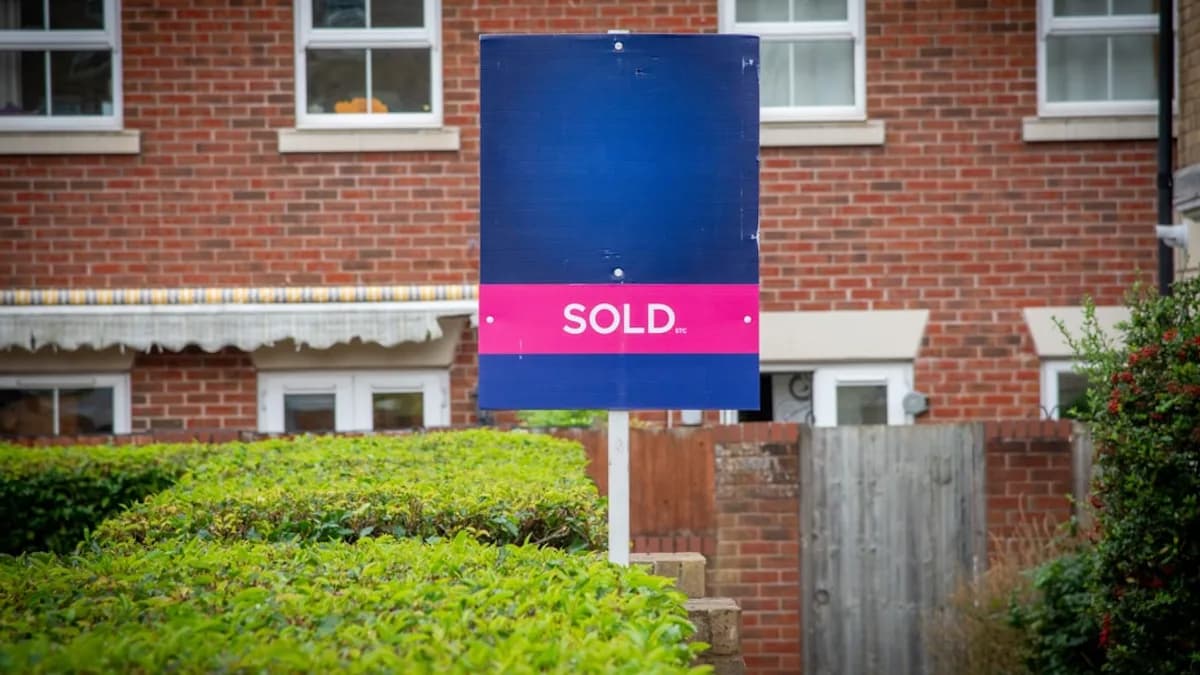
The US housing market has entered a period of marked uncertainty, underscored by a significant slump in home sales. According to the National Association of REALTORS® (NAR), existing-home sales dropped 3.6% in March, representing a nine-month low in sales volume [Source: Source]. This downturn comes despite continuing rises in home prices, creating a puzzling disconnect for both buyers and sellers. Bloomberg and other outlets have highlighted how the persistent price increases, even as transactions dwindle, are casting a pall over forecasts for the rest of 2024 [Source: Source].
What’s driving this market paralysis? While the usual suspects—rising mortgage rates and limited inventory—are certainly at play, a new and less tangible factor has entered the equation: widespread fears of geopolitical instability, particularly the specter of a potential conflict with Iran. In this piece, we’ll examine how these anxieties are chilling buyer activity, amplifying existing economic pressures, and what it means for the broader economy and policy response.
Analyzing the Impact of Iran War Fears on Home Buyer Sentiment
Geopolitical instability has always had the power to rattle financial markets, but its influence on the real estate sector is often more subtle and psychological. The recent escalation in tensions with Iran has contributed to a climate of economic uncertainty, shaking consumer confidence at a critical juncture for the US housing market. For would-be home buyers, the prospect of an international conflict injects a host of anxieties about future job security, inflation, and the long-term stability of investments.
When faced with such uncertainty, many buyers become ‘frozen’—opting to delay or even cancel purchasing decisions. This phenomenon is not just theoretical. As the BBC reports, real estate agents and market analysts are observing an uptick in hesitation among buyers who are no longer sure if now is the right time to make the biggest financial commitment of their lives [Source: Source]. The risk calculus shifts: in times of peace and stability, a home is a relatively safe bet; during periods of escalating global risk, it can look like a liability.
Beyond the psychological impact, there’s a real financial dimension to these fears. If buyers expect that an Iran-related conflict could spike oil prices, trigger market volatility, or even tip the economy into recession, the prudent move is often to wait on the sidelines. This ‘wait and see’ attitude is self-reinforcing—when enough buyers hold back, it pressures sellers to reduce prices or withdraw listings, further draining market momentum.
Moreover, the broader economic outlook is clouded by these uncertainties. Consumer confidence, a key driver of major purchases like homes, tends to fall when the news cycle is dominated by war fears and international crises. As confidence wanes, so does the willingness to take on new debt or make long-term commitments, freezing not just the housing market but broader swathes of economic activity.
Economic Factors Amplifying the Housing Market Slowdown
While geopolitical fears are an important catalyst, they are interacting with a host of pre-existing economic headwinds that have already been constraining the housing market. Chief among these is the persistent rise in mortgage rates, which have climbed sharply over the past year in response to Federal Reserve tightening and inflationary pressures. Higher borrowing costs directly erode affordability, making it harder for buyers to qualify for loans and pushing monthly payments out of reach for many households.
Simultaneously, home prices have continued to rise in many markets, further exacerbating affordability challenges. The combination of elevated prices and expensive credit has squeezed out first-time buyers and made many current homeowners reluctant to trade up or relocate. As the National Association of REALTORS® notes, the market’s sluggishness is not just a blip, but part of a broader trend of declining sales volumes and a pace that remains well below last year’s levels [Source: Source].
These economic factors compound the impact of geopolitical uncertainty. In a healthy market, buyers might be willing to absorb higher mortgage rates if they felt confident in job prospects and price stability. But when global risks are layered on top, the calculus becomes even more daunting. Inflation remains stubbornly high, eating into household budgets and raising doubts about future economic growth. For many, it’s simply too risky to commit to a mortgage when the outlook is so murky.
NAR Chief Economist Lawrence Yun summed it up succinctly: “March home sales remained sluggish and below last year’s pace in the existing home sales market” [Source: Source]. This sluggishness is not just a reflection of seasonal trends, but a sign of deeper structural and psychological barriers that will require careful attention from both policymakers and market participants.
Consequences of a Sluggish Housing Market on the Broader Economy
The ramifications of a slowing housing market extend far beyond the world of real estate agents and mortgage brokers. Construction, one of the most cyclical and employment-intensive sectors, feels the pinch as fewer homes change hands and new projects are delayed or cancelled. Downstream industries—from appliance manufacturers to home improvement retailers—also see demand weaken as buyers pull back on spending for renovations and furnishings.
This contraction in housing-related activity can have a ripple effect on the broader economy. Consumer spending, which accounts for roughly two-thirds of US GDP, often slows when the housing market cools. Home purchases are typically accompanied by significant expenditures on moving, decorating, and maintenance; a slowdown in transactions can thus contribute to a broader drag on economic growth.
If the trend persists, there’s a risk of a negative feedback loop: lower home sales lead to reduced consumer spending, which in turn dampens job growth and further erodes confidence. In the worst case, a housing downturn can become a self-fulfilling prophecy, with declining prices and sales reinforcing each other and potentially feeding into a broader economic slowdown.
Moreover, the housing market has traditionally been a bellwether for the US economy. When it’s healthy, it signals optimism and fuels expansion; when it stagnates, it can be an early warning sign of trouble ahead. With geopolitical tensions remaining high and no immediate relief from economic headwinds, the risks of prolonged stagnation should not be underestimated.
Opinion: Navigating Uncertainty and Policy Recommendations
In this environment of heightened uncertainty, clear and proactive communication from policymakers is essential. Markets are allergic to ambiguity. When fears of war with Iran or other geopolitical risks dominate headlines, it falls to government officials and central bankers to provide steady guidance and outline contingency plans. Transparent communication about economic fundamentals, monetary policy intentions, and potential responses to external shocks can help calm jittery markets and restore a measure of confidence.
Policymakers should also consider targeted measures to stabilize the housing market and support buyers. This could include temporary tax credits for first-time buyers, expanded down payment assistance programs, or efforts to reduce regulatory barriers to new construction. Given the sharp rise in mortgage rates, interventions to improve loan accessibility or support refinancing for struggling homeowners might also be warranted. The goal should be to ensure that fundamentally sound buyers are not locked out of the market purely due to transitory shocks.
At the same time, economic resilience must be a guiding principle. The US economy has weathered geopolitical storms before, but that resilience is not automatic; it requires prudent fiscal management, investment in supply chain security, and efforts to maintain wage growth and employment. Diversifying energy sources and reducing reliance on volatile regions could also blunt the impact of international crises on domestic inflation and consumer confidence.
For buyers and sellers, adaptability is the watchword. Buyers should focus on strengthening their financial foundations—building up savings, reducing high-interest debt, and locking in affordable mortgage rates when possible. Sellers need to adjust expectations and be prepared for longer listing times or the possibility of price concessions. Both sides can benefit from working with experienced real estate professionals who understand how to navigate volatile markets.
Ultimately, while fear is a natural response to uncertainty, it should not become the dominant force shaping the housing market. With the right mix of policy support, clear communication, and individual preparedness, the worst outcomes can be avoided—even in the shadow of global instability.
Conclusion: Looking Ahead in a Volatile Environment
The interplay between geopolitical fears—especially those surrounding potential conflict with Iran—and the dynamics of the US housing market is creating a challenging environment for buyers, sellers, and policymakers alike. As we’ve seen, these anxieties are amplifying existing economic headwinds, driving a notable slowdown in sales and casting doubt on the outlook for the year ahead [Source: Source].
It’s crucial to keep a close watch on both external risks and the underlying health of the market. Policymakers should prioritize transparency and targeted support, while market participants must remain flexible and informed. The coming months will test the resilience of the housing market and the broader economy; by staying vigilant and focused on fundamentals, the US can navigate this period of volatility and emerge stronger on the other side.
⚠️ Disclaimer: This article is for informational purposes only and does not constitute financial advice. Always do your own research before making investment decisions.