Introduction: The High-Stakes Senate Hearing for Trump’s Federal Reserve Nominee
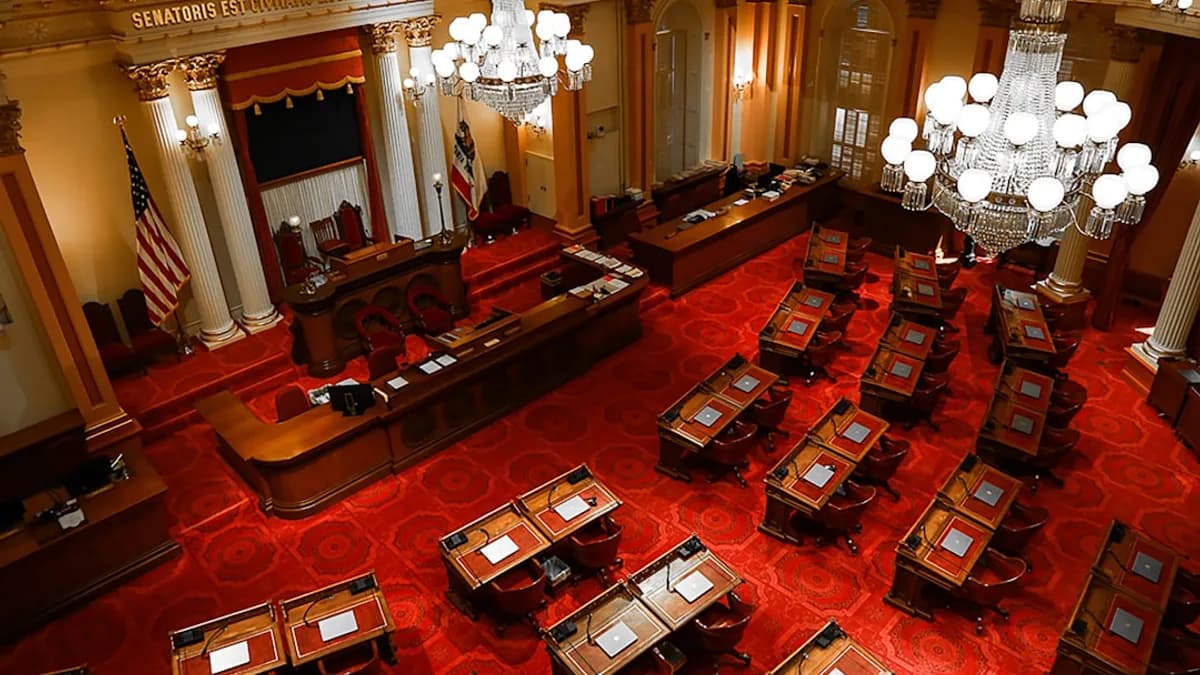
Kevin Warsh, picked by former President Donald Trump to lead the Federal Reserve, is about to face a grilling from the Senate. This hearing matters a lot. The Fed controls interest rates, shapes the job market, and helps keep prices steady. Right now, the U.S. is dealing with high inflation, shaky markets, and big debates about how much politics should sway the central bank. Senators will decide if Warsh is the right person to steer the Fed. Their questions and his answers could change how America’s money system works for years to come [Source: Google News]. The hearing comes at a time when trust in the Fed is being tested, both in Washington and on Wall Street.
Kevin Warsh’s Vision for the Federal Reserve: Emphasizing Independence and Restraint
Warsh says the Fed needs to “stay in its lane.” He means the central bank should focus on its main job—keeping prices steady and helping people find jobs—without getting tangled up in politics or other issues [Source: CNBC]. Warsh believes the Fed must not overreach. For example, he thinks it should avoid making rules about climate change or social matters, and instead stick to managing interest rates and keeping banks safe.
He has criticized the Fed for sometimes doing too much. In the past, Warsh worried that printing too much money could make inflation worse. He also wants to make sure the Fed acts quickly if inflation gets out of hand, but doesn’t panic and make sudden moves. If Warsh becomes chair, he could push for fewer big changes and more careful steps. This could mean the Fed waits longer before cutting or raising rates, compared to past leaders. Warsh’s approach might help the Fed look steadier, but could also make it slower to react to surprises.
Challenges and Criticisms Facing Warsh During the Senate Panel Hearing
Many senators have tough questions for Warsh. Some worry about his past views, especially his support for stricter rules during the 2008 financial crisis. Critics say his ideas about raising rates too soon could hurt jobs and slow down the economy. Others point out that he hasn’t always been right about inflation. For example, Warsh warned about rising prices in the early 2010s, but inflation stayed low for years [Source: Fox News].
Political fights are making things harder. Democrats want to make sure the Fed stays independent and doesn’t become a tool for any party. Republicans are split—some like Warsh’s tough stance, but others worry he might not be bold enough to fix inflation. Warsh also faces a challenge because the Fed is under the microscope. Every move gets picked apart by both lawmakers and the public. To win confirmation, he’ll need to explain his past decisions, show he can work with others, and prove he won’t bow to political pressure.
Implications of Warsh’s Nomination on Federal Reserve Independence and U.S. Economic Policy
If Warsh becomes Fed chair, he could make the central bank more independent. He says the Fed should not follow orders from Congress or the White House, even when things get tough. This matters because, lately, some politicians have pushed the Fed to cut rates or buy more bonds. Warsh’s stance could mean the Fed says “no” more often, even when leaders want fast fixes for the economy.
This could affect how the Fed handles interest rates and inflation. If Warsh sticks to his plan, rates might stay higher for longer, which could help control prices but make loans more expensive. For example, if inflation stays above 3%, Warsh might want to keep rates up even if people complain [Source: WSJ]. This could slow down spending and growth but help stop prices from rising too fast.
Warsh’s style might also make markets less jittery. Investors like it when the Fed moves slowly and explains its choices. But if the Fed becomes too strict, it could hurt stocks and jobs. Global markets watch the Fed closely—any shift could send ripples around the world. In short, Warsh’s focus on independence could help the Fed stand tall, but might also bring more pain for borrowers and businesses.
The Political Dynamics: How Trump’s Fed Nomination Could Backfire and Affect Jerome Powell’s Position
Trump’s choice of Warsh is a bold political move. He wants a new face at the Fed, someone he trusts to keep rates in check and protect jobs. But the plan could backfire. The fight over Warsh’s nomination is putting the Fed in the spotlight. If senators reject him or the hearing turns messy, current chair Jerome Powell could end up looking stronger.
Powell has handled big crises, like the COVID pandemic, and most markets trust him. The drama around Warsh’s nomination could make lawmakers and investors want to stick with Powell, who is seen as steady and calm. Some experts say the showdown might push Powell to stay on longer, or even get more support from both parties [Source: Bloomberg.com].
The political mess also shows how hard it is to run the Fed right now. If Trump’s move fails, it could make future presidents think twice about picking new Fed leaders just to score points. The central bank’s job is tough enough without noisy battles in Washington. This nomination fight is really about who gets to steer America’s money—and whether politics will win out over reason.
Conclusion: What Warsh’s Confirmation Hearing Means for the Future of the Federal Reserve
The Senate hearing for Kevin Warsh will shape the future of the Federal Reserve. If he gets the job, the Fed could become more strict and less open to quick fixes. Warsh’s focus on independence might help the central bank stand up to political pressure, but could also make it less flexible during crises. The hearing has already sparked a big debate about who should run the Fed and how much politics should matter. No matter what happens, the fight over Warsh’s nomination will push leaders, investors, and everyday people to pay more attention to the Fed’s role. As America faces new economic challenges, the balance between smart policy and political influence will be more important than ever. The next few weeks will show if the Fed can stay strong—or if Washington’s noise gets in the way.
⚠️ Disclaimer: This article is for informational purposes only and does not constitute financial advice. Always do your own research before making investment decisions.
Why It Matters
- The outcome of the Senate hearing could reshape the Federal Reserve’s leadership and policy direction.
- Kevin Warsh’s stance on Fed independence may influence how the central bank responds to inflation and political pressures.
- Trust in the Federal Reserve is crucial for economic stability, and this nomination highlights ongoing debates about its role.