Introduction: Market Reactions Amid US-Iran Diplomatic Developments
Global financial markets are showing a notable shift in sentiment as hopes rise for a possible diplomatic resolution between the United States and Iran. Stocks have rebounded after a period of volatility, while oil prices and the US dollar have both slipped, reflecting renewed investor optimism. This change comes amid signals that US officials may be seeking to ease tensions with Iran, a move that could diffuse one of the world's most closely watched geopolitical flashpoints.
These developments carry significant implications for global investors and policymakers. The Middle East remains a critical region for energy supplies and international trade, and any reduction in geopolitical risk can quickly reverberate through financial markets. As talks of renewed US-Iran negotiations gain traction, market participants are recalibrating their strategies, balancing optimism for stability with the ever-present risk of sudden reversals [Source: Source].
Stock Market Rebound Driven by Optimism Over US-Iran Talks
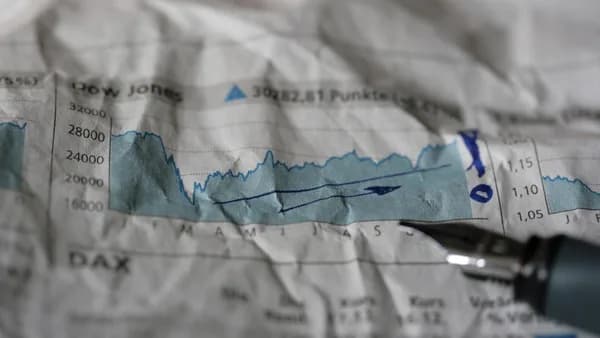
Asian and global stock markets rallied in early trading, boosted by news of potential diplomatic engagement between Washington and Tehran. Investors, who had been bracing for further escalation in the region, responded positively to reports suggesting that both sides may be willing to return to the negotiating table. This optimism has been reflected in key indices across Asia and beyond.
Japan's Nikkei 225 and Hong Kong’s Hang Seng Index both posted significant gains, reversing losses from earlier sessions that were driven by concerns over a potential conflict. European equities also advanced, with sectors sensitive to geopolitical risk—such as airlines, shipping, and manufacturing—leading the rebound [Source: Source].
Market analysts attribute this rally to a combination of factors. Primarily, the easing of fears around an immediate military confrontation in the Strait of Hormuz, a critical chokepoint for global oil shipments, has improved the outlook for risk assets. Additionally, the prospect of more stable energy prices supports industries that had been under pressure from rising input costs.
Technology and consumer discretionary stocks, often seen as bellwethers for investor confidence, also benefited from the improved sentiment. Meanwhile, financials saw gains as the potential for reduced market volatility and lower energy costs brightened the economic outlook. Investors remain cautious, however, aware that the situation could change quickly if diplomatic efforts stall or new tensions arise [Source: Source].
Oil Prices Decline Amid Hopes for Diplomatic Resolution
Oil prices, which had surged in recent days amid fears of supply disruptions, fell sharply on hopes that the US and Iran could avoid direct confrontation. Comments from US officials—most notably Vance—suggesting that diplomatic channels remain open have led traders to scale back expectations of an imminent escalation in the region [Source: Source].
Brent crude and West Texas Intermediate (WTI) both dropped more than 2% in early trading, retracing gains made after reports that the US was considering a blockade of Iranian ports in the Strait of Hormuz. That earlier development had sparked concerns about a potential choke on one-fifth of global oil shipments, sending prices higher [Source: Source].
However, the renewed focus on diplomacy has shifted market expectations. Energy analysts note that oil prices are highly sensitive to changes in geopolitical risk, especially in the Middle East. The possibility of a peaceful resolution has tempered fears of a supply shock, leading traders to unwind some of their bullish positions.
Despite the current pullback, volatility remains high. Market participants are closely monitoring developments, recognizing that any setback in negotiations or new provocations could quickly reverse the trend. For now, the price decline is seen as a reflection of improved risk sentiment, but underlying uncertainties persist [Source: Source].
Dollar Weakens as Risk Appetite Improves
Alongside the rebound in equities and the drop in oil prices, the US dollar has also retreated from recent highs. The dollar, often viewed as a safe-haven asset during periods of geopolitical stress, lost ground against major currencies as investors moved back into riskier assets [Source: Source].
The relationship between geopolitical risk and currency markets is well established. In times of uncertainty, capital tends to flow into the dollar, boosting its value. Conversely, when the outlook improves—as it has with hopes for US-Iran talks—demand for the dollar typically declines. This pattern played out as news of potential negotiations encouraged investors to seek higher yields elsewhere.
A weaker dollar can have broad implications for international trade and emerging market economies, which often borrow in US currency. For now, the decline reflects a more stable market environment, but traders remain alert to the possibility of renewed volatility if diplomatic efforts falter or the regional situation deteriorates [Source: Source].
Geopolitical Context: US-Iran Relations and Market Implications
The current shift in market sentiment is rooted in the latest developments in US-Iran relations. Recent statements from both Washington and Tehran have signaled a potential willingness to re-engage diplomatically after months of heightened tensions. US officials, including Vance, have emphasized that the "door remains open" for talks, even as hardline rhetoric continues on both sides [Source: Source].
One of the key flashpoints remains the Strait of Hormuz, through which a significant portion of the world's oil passes. Reports of US plans to blockade Iranian ports in the area sparked fears of confrontation and supply disruptions, sending oil prices soaring earlier in the week. However, these concerns have eased somewhat as diplomatic language has replaced threats of military action [Source: Source].
Market participants are weighing several possible scenarios. A successful diplomatic breakthrough could lead to the easing of sanctions on Iran, increased oil exports, and a calming of regional tensions—outcomes that would benefit both the global economy and financial markets. On the other hand, negotiations could stall, or unforeseen incidents—such as attacks on shipping or energy infrastructure—could reignite fears and trigger renewed volatility.
Analysts caution that while the current optimism is justified, the situation remains fluid. The underlying issues between the US and Iran are complex and deeply rooted, involving not only nuclear ambitions but also regional power dynamics and domestic political considerations. As a result, markets are likely to remain sensitive to headlines and official statements in the days and weeks ahead [Source: Source].
Conclusion: Market Outlook Amid Ongoing Diplomatic Efforts
Financial markets have responded positively to the prospect of renewed US-Iran talks, with stocks rebounding, oil prices falling, and the dollar weakening as investors embrace a more optimistic outlook. However, volatility remains a constant companion given the unpredictable nature of geopolitics in the Middle East.
For investors, the current environment offers both opportunities and risks. While the potential for a diplomatic breakthrough is encouraging, any setback could quickly reverse gains across asset classes. As negotiations continue, market participants will need to stay agile, closely monitoring developments and remaining prepared for sudden changes in sentiment [Source: Source].
⚠️ Disclaimer: This article is for informational purposes only and does not constitute financial advice. Always do your own research before making investment decisions.