Introduction: Understanding Market Reactions to Geopolitical Events
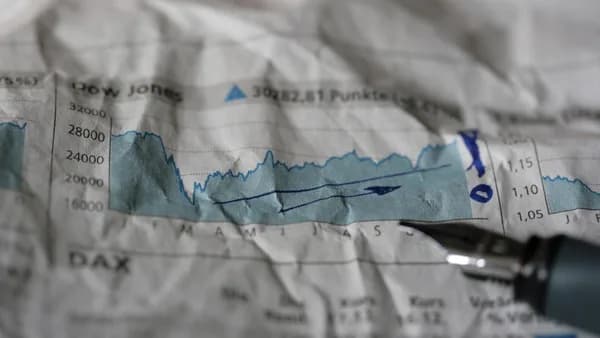
Geopolitical events—such as wars, diplomatic standoffs, or peace negotiations—often send shockwaves through global financial markets. The recent Iran war and subsequent tensions are a prime example, sparking heightened volatility in stocks, bonds, and commodities. As investors sought clarity, the S&P 500 initially fell but has since managed to erase its losses stemming from the conflict, signaling renewed optimism among market participants [Source: Source].
This turnaround is significant. It demonstrates how swiftly markets can rebound when the outlook shifts from uncertainty toward potential resolution. For investors, these episodes underscore the importance of understanding how global events influence asset prices—and, more importantly, how to navigate such turbulent periods. This article provides a practical guide for interpreting market signals and adjusting investment strategies when geopolitical risks dominate headlines.
How to Interpret Stock Futures Movements During Geopolitical Crises
Stock futures are contracts that allow investors to buy or sell an index (like the S&P 500, Dow, or Nasdaq) at a predetermined price on a set future date. They serve as a real-time barometer of market sentiment, especially during after-hours trading when regular stock markets are closed. When futures "tick higher," it suggests that investors are feeling more optimistic about the near-term outlook.
In the aftermath of the Iran war, the S&P 500’s recovery and the subsequent uptick in futures indicate that investors are reassessing the risks. Futures markets began to reflect expectations that diplomatic negotiations—particularly possible US-Iran talks—could reduce the threat of further escalation [Source: Source]. This optimism is reinforced when major indices erase their crisis-driven losses, often signaling that institutional investors anticipate a return to stability.
For individual investors, watching futures can provide early clues about how markets might open and trade in response to overnight developments. If futures spike higher after a period of conflict-induced selling, it may mean the worst-case scenarios are being priced out, at least temporarily.
How to Analyze Oil Price Fluctuations in Response to Conflict and Diplomacy
Crude oil is one of the most geopolitically sensitive commodities. When conflict erupts in key energy-producing regions—such as the Middle East—oil prices typically surge on fears of potential supply disruptions. Conversely, when tensions ease or diplomatic overtures emerge, prices often fall back as supply concerns diminish.
Following the recent Iran war, oil prices initially jumped in response to worries about disrupted exports. However, as hopes for US-Iran talks grew and the risk of a broader conflict appeared to fade, oil prices slipped [Source: Source]. This price action reflects the market’s reassessment of supply risks and the possibility of a more stable geopolitical environment.
Investors can monitor oil price movements using financial news platforms, commodity market trackers, and futures data. Rapid swings in oil prices often serve as leading indicators for energy stocks, broader market sentiment, and inflation expectations. Incorporating this data into investment decisions can help investors position their portfolios for both risk and opportunity as geopolitical news unfolds.
How to Adjust Your Investment Strategy Amid Evolving Geopolitical Risks
Periods of geopolitical uncertainty demand a disciplined, flexible approach to investing. The first step is to reassess your risk tolerance. If market swings make you uneasy, consider scaling back on positions that are highly sensitive to global events.
Diversification remains one of the most effective strategies to manage conflict-related risks. Spreading investments across different asset classes (stocks, bonds, commodities), regions, and industries can help cushion losses in any one sector. For instance, while the S&P 500 and major indices may fall during wartime uncertainty, some sectors—such as defense, cybersecurity, or energy—can benefit from heightened geopolitical tensions [Source: Source].
Investors should also pay attention to “safe haven” assets like gold, US Treasuries, and certain foreign currencies (e.g., the Swiss franc or Japanese yen), which often attract capital during periods of heightened risk. Allocating a portion of your portfolio to these assets can help balance potential losses elsewhere.
It’s also important to regularly review and rebalance your portfolio. Geopolitical events can quickly change the risk-reward profile of different investments. For example, energy stocks may outperform during a supply scare but could underperform if peace talks succeed and oil prices retreat. Staying proactive and willing to make measured adjustments can help capitalize on emerging opportunities while protecting against downside risks.
How to Use Market News and Live Updates to Make Timely Decisions
In fast-moving markets, timely and accurate information is essential. Following reliable news sources such as CNBC, Reuters, The Wall Street Journal, and Fortune ensures you’re equipped with the latest developments and expert analysis [Source: Source]. These platforms offer real-time updates, live blogs, and in-depth reporting, which are invaluable during geopolitical crises.
Investors can leverage tools like market news alerts, mobile apps, and financial terminals to track stock futures, major indices, and commodity prices as they react to breaking news. Many brokerage platforms also provide integrated news feeds and customizable watchlists, allowing for swift monitoring and prompt decision-making.
By staying informed through trusted channels and leveraging technology, investors can respond more effectively to rapidly changing market conditions—whether that means taking advantage of rebounds or protecting portfolios from renewed volatility.
Conclusion: Staying Informed and Adaptive in Geopolitically Driven Markets
Geopolitical events will always inject a degree of uncertainty into financial markets. But as the S&P 500’s recovery from the Iran war losses demonstrates, markets can adapt and even rebound quickly when the path to resolution becomes clearer [Source: Source]. Investors who understand how to interpret market signals—such as stock futures and commodity prices—and who practice diversification and risk management are better positioned to weather these storms.
Ultimately, the key is to remain informed, flexible, and disciplined. By following reliable market news, analyzing trends, and adjusting strategies as needed, investors can navigate even the most turbulent geopolitical environments with greater confidence. As peace talks progress, the potential for stability grows—offering renewed opportunities for those who stay vigilant and adaptive.
⚠️ Disclaimer: This article is for informational purposes only and does not constitute financial advice. Always do your own research before making investment decisions.