Introduction: Understanding the Impact of US-Iran Ceasefire Extension on Stock Futures
Stock futures jumped after President Trump said the ceasefire with Iran would keep going, even as peace talks stayed tense [Source: Google News]. That news caught Wall Street off guard, since investors had worried about fighting in the Middle East hurting global trade and oil supply. When leaders talk about peace, stocks often get a boost—even if the threat isn’t gone for good.
But the mood is mixed. Some traders are excited by the ceasefire, hoping it means less risk for their money. Others are nervous, since Iran and the US have a long history of sudden changes. This article explains how big political events like this affect markets. We'll look at why stocks and oil prices move so much when the news is uncertain, and what it means for regular investors.
How Geopolitical Tensions Influence Stock Markets and Oil Prices
When countries fight or threaten war, investors get scared. They worry that factories will shut, ships will be blocked, or oil will be harder to get. This fear makes people pull money out of stocks and buy safer things, like gold or government bonds. That’s why news about US-Iran talks—good or bad—hits Wall Street fast.
It’s not just oil companies that feel the heat. Big tech firms, banks, and even stores can see their stock prices swing. For example, when the US and Iran clashed back in January 2020 after a US drone strike, stocks fell and oil prices jumped as traders braced for trouble [Source: Google News]. In 2014, Russia’s conflict with Ukraine sent European stocks lower and pushed up gas prices.
Oil is special because almost every country needs it. If Iran’s oil exports slow down, global supply shrinks, and prices can spike. Investors know that, so any hint of conflict makes them nervous. At the same time, some traders try to guess what will happen next. If they think peace talks might work, they buy stocks hoping for a rebound.
History shows that markets hate surprises. War worries make prices swing wildly. Even when leaders call for a ceasefire, traders ask: will it last, or will fighting start again? That’s why every update about US-Iran talks makes headlines—and moves the market.
Recent Market Movements: Stock Futures, Major Indexes, and Oil Prices Explained
After President Trump said the ceasefire would stay, stock futures rose. That means traders expected the market to start higher the next morning [Source: Google News]. They bet that less fighting would help companies sell more, ship goods safely, and keep oil flowing.
But the day was choppy. The Dow, S&P 500, and Nasdaq all slipped later because of other worries: a hearing with Warsh (a Federal Reserve pick), a new Apple CEO, and fresh doubts about Iran’s next move [Source: Google News]. The Nasdaq even hit a record high before falling back, showing how quickly things can change.
Oil prices went up, even with the ceasefire. That’s because traders still wonder if peace will last. If talks break down, Iran could cut oil exports, making it harder for countries to get fuel [Source: Reuters]. Some analysts say oil prices jump when the news is unclear, since buyers want to lock in supply before things get worse.
Here’s a breakdown:
- Stock futures: Rose after the ceasefire news, then slipped as other stories took over.
- Dow & S&P 500: Both dropped, showing investors are cautious about the economy and new Fed policies.
- Nasdaq: Hit a record, then reversed, as tech stocks moved on Apple’s leadership change.
- Oil prices: Climbed, since peace talks are shaky and supply could still be threatened [Source: AP News].
This mix shows how markets react to many things at once. Even good news—like a ceasefire—can be overshadowed by fresh worries or big company changes. Traders look at both global politics and local business news before making their bets.
The Role of Ceasefire Extensions in Calming or Heightening Market Volatility
Ceasefire extensions can help markets breathe easy—for a while. When leaders agree not to fight, investors get hopeful. They buy stocks, thinking things will get better. This happened after Trump’s announcement, with stock futures rising as traders expected less risk [Source: Google News].
But the calm never lasts forever. Uncertainty lingers, since peace deals can break down fast. Investors know that one bad headline—like a failed talk or a new attack—could change everything. That’s why markets often stay nervous, even after a ceasefire.
The balance is tricky. Some traders jump in, hoping for big gains if peace holds. Others wait, worried about losing money if fighting starts again. They watch every update, looking for clues about what’s next.
For example, after past ceasefires in the Middle East, stocks sometimes soared for a few days, then dropped when talks stalled. Oil prices often stayed high, since buyers worried about supply. Investors use history as a guide, but they know each situation is different.
In short, ceasefire extensions give markets a break, but don’t erase the risk. The mood can flip in hours, making it hard for anyone to guess what will happen next.
Broader Economic and Strategic Implications of US-Iran Relations on Global Markets
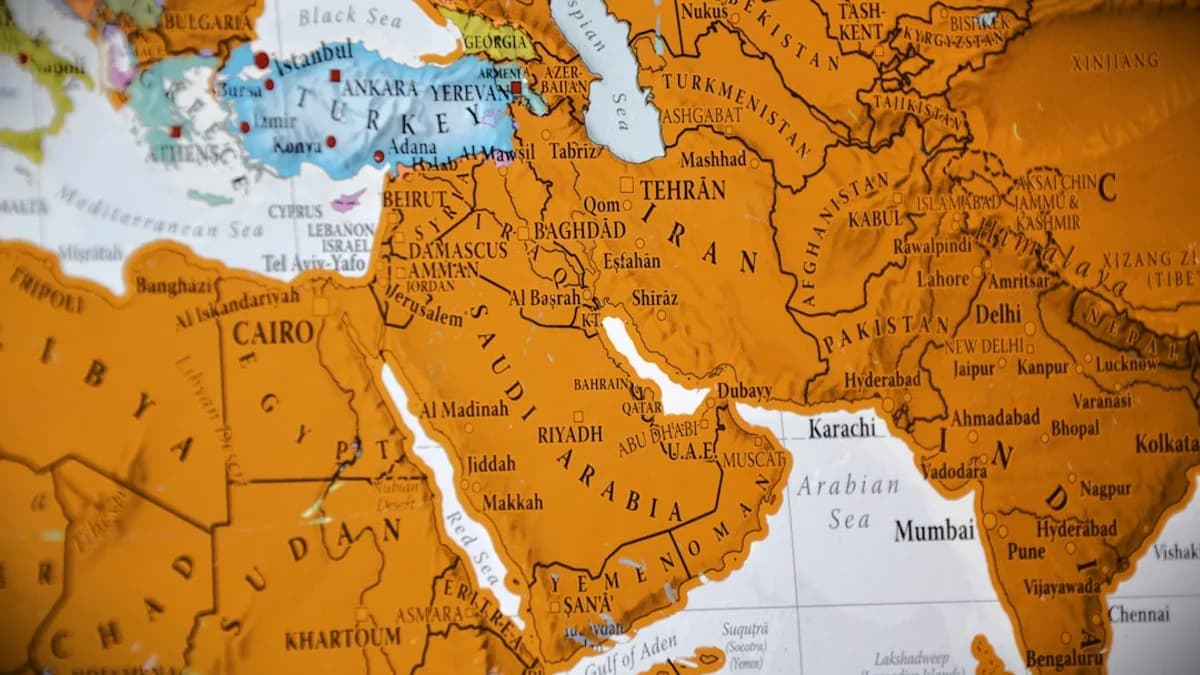
The US and Iran play big roles in the world economy. Iran sits on huge oil reserves, and the US is a major energy buyer and seller. When these two clash, oil flows can slow, prices can surge, and shipping routes can close. That hurts countries everywhere—not just those at war.
Oil is used for cars, planes, factories, and even plastics. If Iran cuts exports, prices rise for everyone. This can mean higher costs for food, travel, and goods. Even countries far from the conflict feel the pain. In 2019, attacks on Saudi oil sites made prices spike across Europe and Asia.
Trade is also at risk. Sanctions or blockades can make it harder for companies to buy or sell goods. Investors worry that new tariffs or bans could hit profits. Big firms may delay deals or pull back investments until things settle down.
Peace talks between the US and Iran could help markets, but only if they last. If talks fail, companies may rush to change supply chains, shift factories, or hedge against oil shocks. Some businesses buy insurance or stockpile fuel, just in case.
Long-term, ongoing tensions can slow global growth, hurt jobs, and push up inflation. But lasting peace could open new trade routes, boost investment, and lower energy costs. That’s why Wall Street watches these talks so closely.
If Iran and the US reach a real deal, markets could surge as fears fade. If not, investors may brace for more wild swings. The stakes are high, and every headline matters.
Conclusion: Navigating Market Uncertainty Amid Geopolitical Developments
Big political events like the US-Iran ceasefire move markets fast. Stocks and oil prices react to every update, as traders try to guess what comes next [Source: Google News]. Ceasefire extensions can calm fears, but uncertainty always lingers.
For investors, it pays to watch the news closely. Geopolitical risks can change prices in hours, so staying alert helps avoid surprises. Look for signs in both global politics and local business stories.
The next few weeks could bring more twists as peace talks continue. If leaders find common ground, markets may rally. If tensions rise, expect more ups and downs. The best move is to stay informed and ready, since no one can predict every turn.
⚠️ Disclaimer: This article is for informational purposes only and does not constitute financial advice. Always do your own research before making investment decisions.
Why It Matters
- The US-Iran ceasefire extension reduces immediate geopolitical risks that could disrupt global markets and oil supply.
- Stock futures rising signals investor confidence and potential economic stability despite ongoing tensions.
- Understanding how political events impact financial markets helps regular investors make informed decisions.