
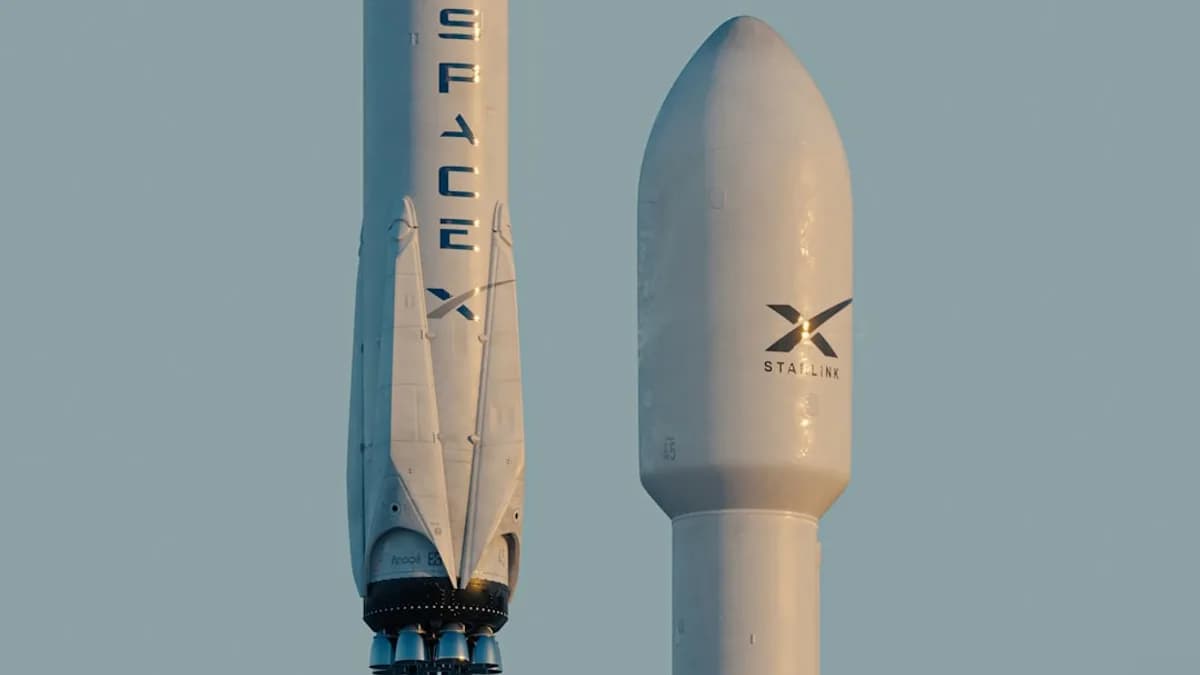



The SpaceX IPO Is Making Waves—and Stirring Debate
SpaceX is about to open its doors to regular investors for the first time. If you’ve ever dreamed of owning a piece of a rocket company, now’s your shot. Some folks call this IPO the best chance to get rich this decade. Others think it’s a trap for people dazzled by Elon Musk’s fame. The company’s value is being thrown around at over $1 trillion. That’s more than the biggest banks and oil giants. It’s wild. The excitement is real, but so are the doubts. Is this a smart bet, or just a gamble? [Source: The Verge]
How SpaceX Makes Money—and Why It’s Hard
SpaceX is famous for sending rockets to space. But where does the money come from? A big chunk of SpaceX’s business is launching satellites for companies and governments. These launches are pricey—sometimes costing tens of millions of dollars each. NASA is a major customer, paying SpaceX to resupply the International Space Station and ferry astronauts.
Then there’s Starlink, SpaceX’s global internet service. Starlink uses thousands of satellites to beam internet across the world, even to remote places. Starlink is growing fast. It has millions of users and aims to become a huge money-maker. Still, building and launching all those satellites costs a fortune. The company has to keep spending big to stay ahead.
SpaceX also gets government contracts for defense and research. The Pentagon pays SpaceX to launch spy satellites and run other secret missions. These deals help steady the company’s income.
One reason SpaceX stands out is its reusable rocket technology. Instead of throwing away each rocket after one launch like most companies did for decades, SpaceX lands and reuses them. This cuts costs and makes more launches possible. It’s a big reason for SpaceX’s sky-high valuation.
But making money in space is tough. Launches are expensive, and Starlink still needs to prove it can get steady profits. SpaceX has changed how rockets are made and flown, but turning innovation into profit is never simple. The company has grown a lot, but it spends heavily to keep up. The question is whether these big bets will pay off for investors, especially once the company goes public.
The Real Risks of a $1 Trillion Space Company
Calling SpaceX a $1 trillion company is bold. That’s more than Tesla, Exxon, or most banks. But where does this number come from? SpaceX is still private, so there’s no public stock price. Experts make guesses based on what SpaceX could earn in the future. But predictions about space are tricky.
SpaceX faces big risks. Rockets can fail. New laws could slow launches. Governments can change rules or cut contracts. Space travel is not as steady as selling phones or cars. Even Starlink, with its millions of users, must fight off competition from tech giants and local internet companies.
Investing in space is known for wild swings. Companies can go from heroes to zeroes overnight. The timeline for making money is long. It can take years—or decades—to turn a profit. Investors might wait a long time before seeing returns.
SpaceX’s valuation is built on hope that space will become a booming business. But the market is still small compared to other industries. The risks are big, and mistakes can be costly. Investors should be ready for bumps in the road.
What the SpaceX IPO Means for Everyday Investors
For the first time, regular people can buy SpaceX shares. This is rare. Most space stocks are owned by big investors or governments. Now, retail investors get a shot at the action.
But there are dangers. Elon Musk has fans who will buy anything he sells. Hype can push prices up fast, then drop as reality sets in. Investing because someone is famous is risky. The space industry is full of unknowns.
Before buying, people should do their homework. Read company reports. Ask questions. Make sure you understand the risks. Don’t just follow the crowd. SpaceX is exciting, but it’s not magic. Remember: stocks can go up, but they can also crash.
Space Technology Could Change the World—If Investors Are Patient
Space isn’t just about rockets. It’s about new ways to connect, defend, and explore. Satellites help us talk, watch the weather, and find our way. Starlink could bring internet to places where cables can’t go. Space tech may help armies, scientists, and even farmers.
Governments are spending more on space. The U.S., China, and Europe are racing to build new satellites and land on the Moon. Private companies like SpaceX are getting bigger contracts and more freedom to launch. This trend makes space look like a growth market.
Space investment is risky, but it could reshape entire industries. In the 1990s, few people saw how the internet would change everything. Space could be the next big leap. But it will take time, money, and patience. Investors who stick with it may see big rewards, but only if they’re ready for a long journey.
The SpaceX IPO: Dream Big, But Keep Both Feet on the Ground
SpaceX’s IPO is stirring up dreams and doubts. People want to believe in space, and the company’s track record is strong. The trillion-dollar question is whether those dreams can turn into real profits.
Investors should balance hope with caution. Don’t buy just because it’s space or Musk. Look at the numbers. Think about the risks. Ask if you’re ready for a wild ride.
SpaceX may lead the way, but it’s not a sure thing. Smart investors will do their homework, stay realistic, and watch for new chances as space grows. The future is out there—and it’s calling. Just make sure you’re ready for the journey before jumping in.
⚠️ Disclaimer: This article is for informational purposes only and does not constitute financial advice. Always do your own research before making investment decisions.
Why It Matters
- The SpaceX IPO could reshape public investment opportunities in space technology.
- Its trillion-dollar valuation signals huge expectations for the future of space commerce.
- Reusable rocket tech and Starlink are disrupting traditional space industry economics.