S&P 500 Surges to New Highs Amid Strong Market Momentum
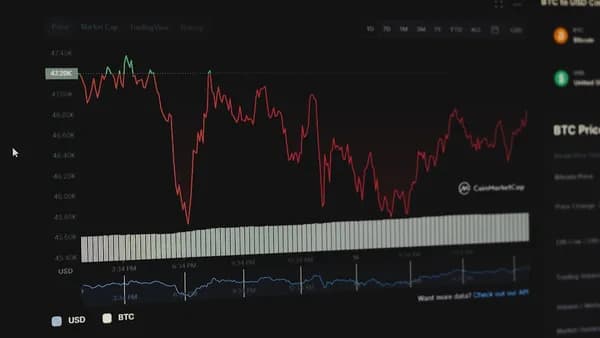
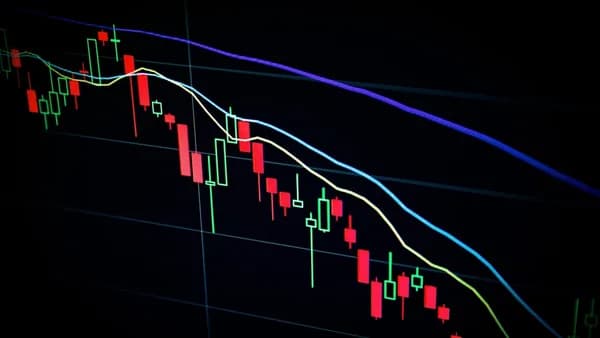
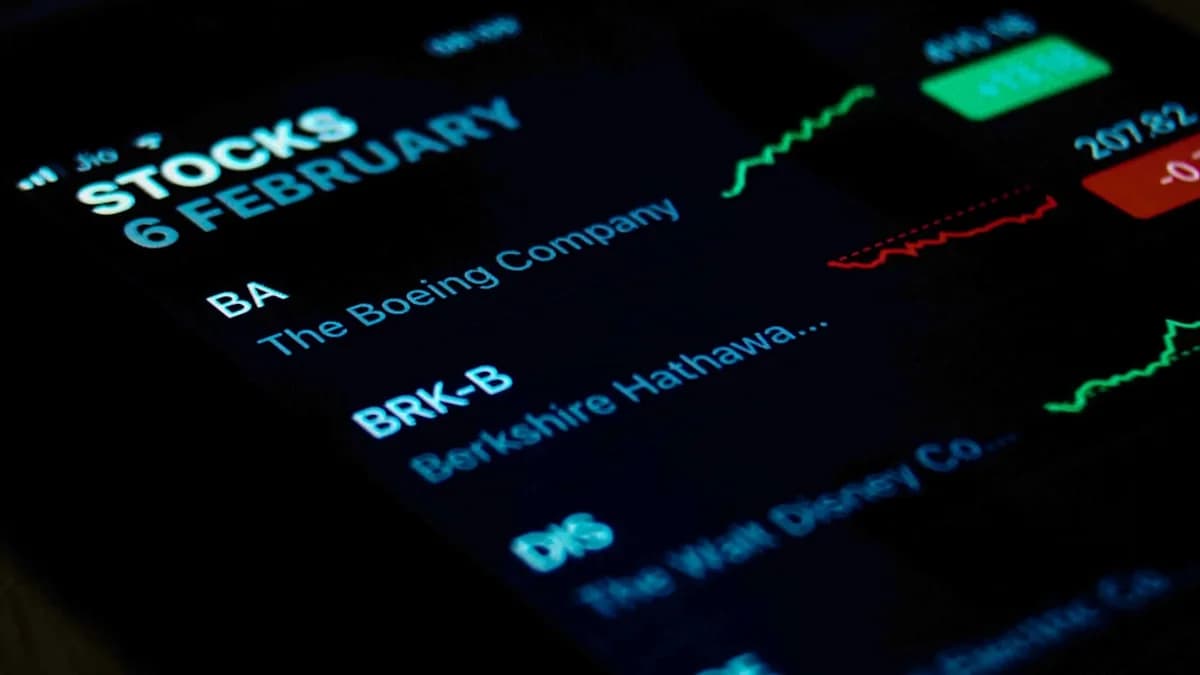
The S&P 500 punched through another record close Friday, clocking its longest winning streak since February and setting a new all-time high at 5,314.22. The index has now rallied nearly 11% year-to-date, with the past week alone adding over 1.8% as investors poured into equities on the back of robust earnings and cooling inflation signals, according to Yahoo Finance.
Momentum accelerated in late April after the Federal Reserve signaled it was in no rush to hike rates again, calming nerves after a shaky first quarter. Since April 19, the S&P has tacked on more than 6%, erasing all losses from its March correction. Apple’s $110 billion buyback announcement on May 2 and a wave of better-than-expected Q1 reports from megacap tech names sent the index surging past the 5,300 mark for the first time on May 3.
Wall Street’s risk appetite is back: The CBOE Volatility Index (VIX) has dropped to 12.7, its lowest level this year, while S&P 500 trading volumes beat the 20-day average in four out of the last five sessions. Only 24 of the index’s 500 members are in the red over the past week, as cyclical sectors joined the bull run.
Market Factors Fueling the S&P 500’s Upward Trajectory
Investors are betting that the soft landing remains intact. April inflation data landed at 3.4% year-over-year, finally showing a downward bend after months of stickiness. The Fed’s steady hand—keeping rates at 5.25%-5.5%—has reassured markets that a rate hike shock isn’t imminent, while the 10-year Treasury yield falling back to 4.5% has enticed buyers out of cash and back into stocks.
Tech led the charge, with Microsoft, Nvidia, and Alphabet driving nearly a third of the S&P 500’s gains this quarter. Nvidia alone jumped 13% since posting blockbuster AI-fueled revenues in late April. The financial sector, which lagged for months, is catching up as banks like JPMorgan and Goldman Sachs posted double-digit profit growth and upgraded guidance. Industrials and consumer discretionary names—think Caterpillar and Amazon—have also broken out, reflecting renewed confidence in U.S. demand.
ETF flows tell the story: S&P 500-tracking ETFs saw net inflows of $8.2 billion in the past week, their strongest since January. Margin debt climbed 2.1% month-over-month in April, a sign that risk-on sentiment is driving the latest buying spree.
What Investors Should Watch as the S&P 500 Continues to Climb
Tail risks are lurking, even as bulls take charge. All eyes are on next week’s CPI print and retail sales data—any sign of re-accelerating inflation could rattle the Fed’s patient stance. The market is also bracing for the next round of Fed minutes (due May 15), hunting for hints about the timing of rate cuts. With the S&P trading at 21.2 times forward earnings, valuations are stretched relative to the 10-year average of 17.7x, leaving stocks vulnerable to earnings disappointments.
Earnings season isn’t over: Walmart, Home Depot, and Cisco report in the coming days. Weak consumer spending or cautious outlooks from these bellwethers could douse the rally. Geopolitical tensions—from U.S.-China tech restrictions to Middle East unrest—remain wildcards, with the potential to trigger volatility spikes.
For investors, discipline matters as momentum heats up. Those worried about a pullback are rotating into defensive sectors like healthcare and utilities, which underperformed but now trade at historic discounts. Options data shows rising open interest in put contracts, suggesting savvy traders are hedging against a sharp reversal.
The S&P 500’s relentless climb is testing both nerves and FOMO. As the index flirts with new highs, the next few weeks will reveal whether the rally has legs—or if profit-taking and macro risks finally force a breather.
⚠️ Disclaimer: This article is for informational purposes only and does not constitute financial advice. Always do your own research before making investment decisions.
The Bottom Line
- The S&P 500's surge signals renewed investor confidence amid strong earnings and cooling inflation.
- Low volatility and rising trading volumes suggest robust market momentum and risk appetite.
- Tech sector leadership highlights the pivotal role of AI and big tech in driving market gains.